Vitra Beta Mindset: Scout and Reset Redefine Flexible Office Design
Rethinking contemporary workspaces through systems
designed for adaptability and change
—
In a world shaped by constant change, Vitra continues to question what the office should be. With Scout by Konstantin Grcic and Reset by Stephan Hürlemann, the brand explored a more fluid approach to workspace design, described as the Beta mindset.
Rather than fixed solutions, this approach embraces adaptability, iteration and flexible office systems, allowing work environments to evolve alongside the people who use them.
A mindset, not a space
The Beta mindset moved away from static office layouts towards environments that supported hybrid work, collaboration, and informal interaction.
Spaces were no longer designed as final outcomes, but as flexible workplace frameworks that could shift over time. It marked a transition from control to responsiveness, reflecting how contemporary offices and workspaces operate today.

Scout: A Flexible System for Changing Work Rhythms
Developed by Konstantin Grcic in 2026, Scout introduced a more fluid approach to workspace design, aligned with the realities of flexible and hybrid work environments.
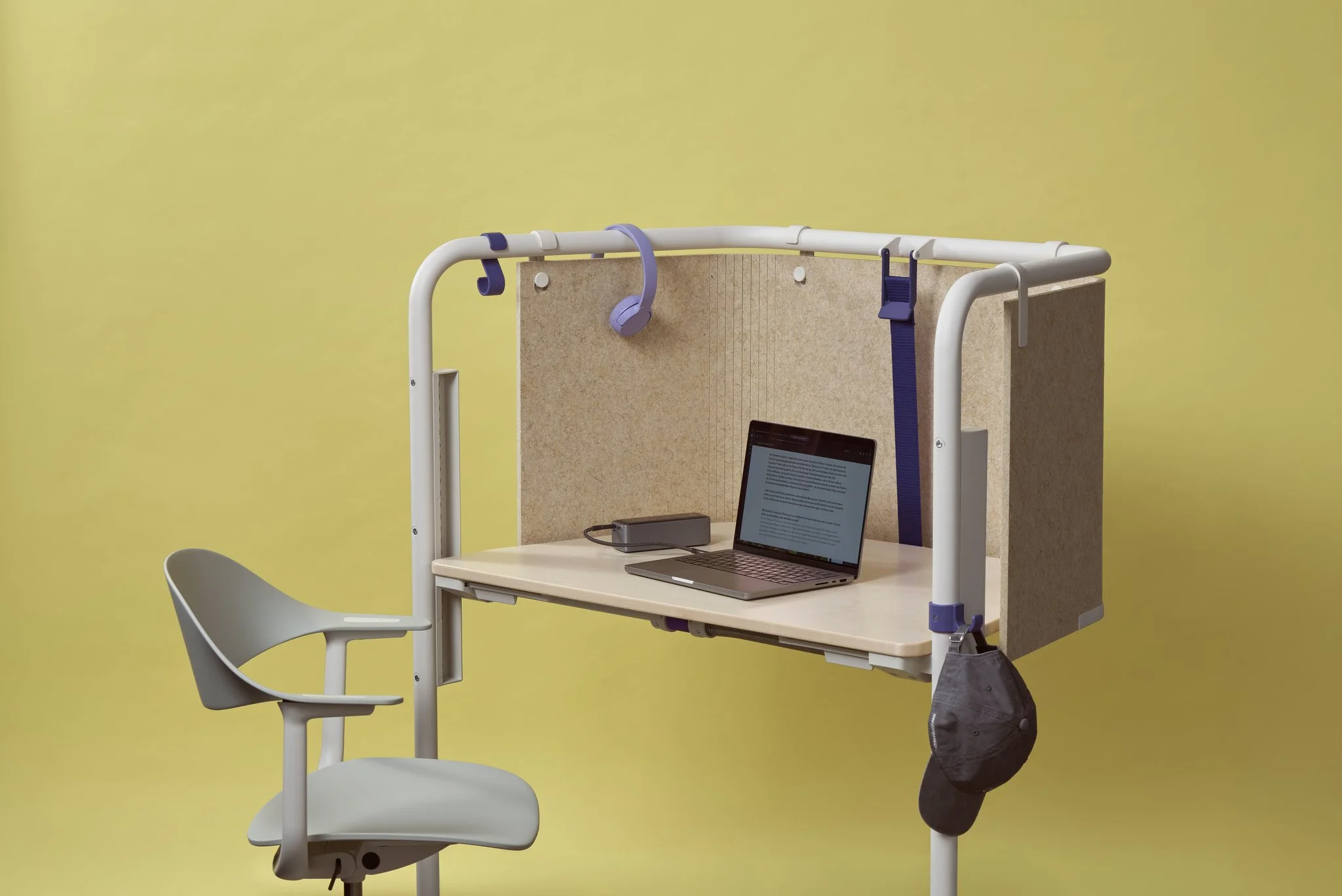
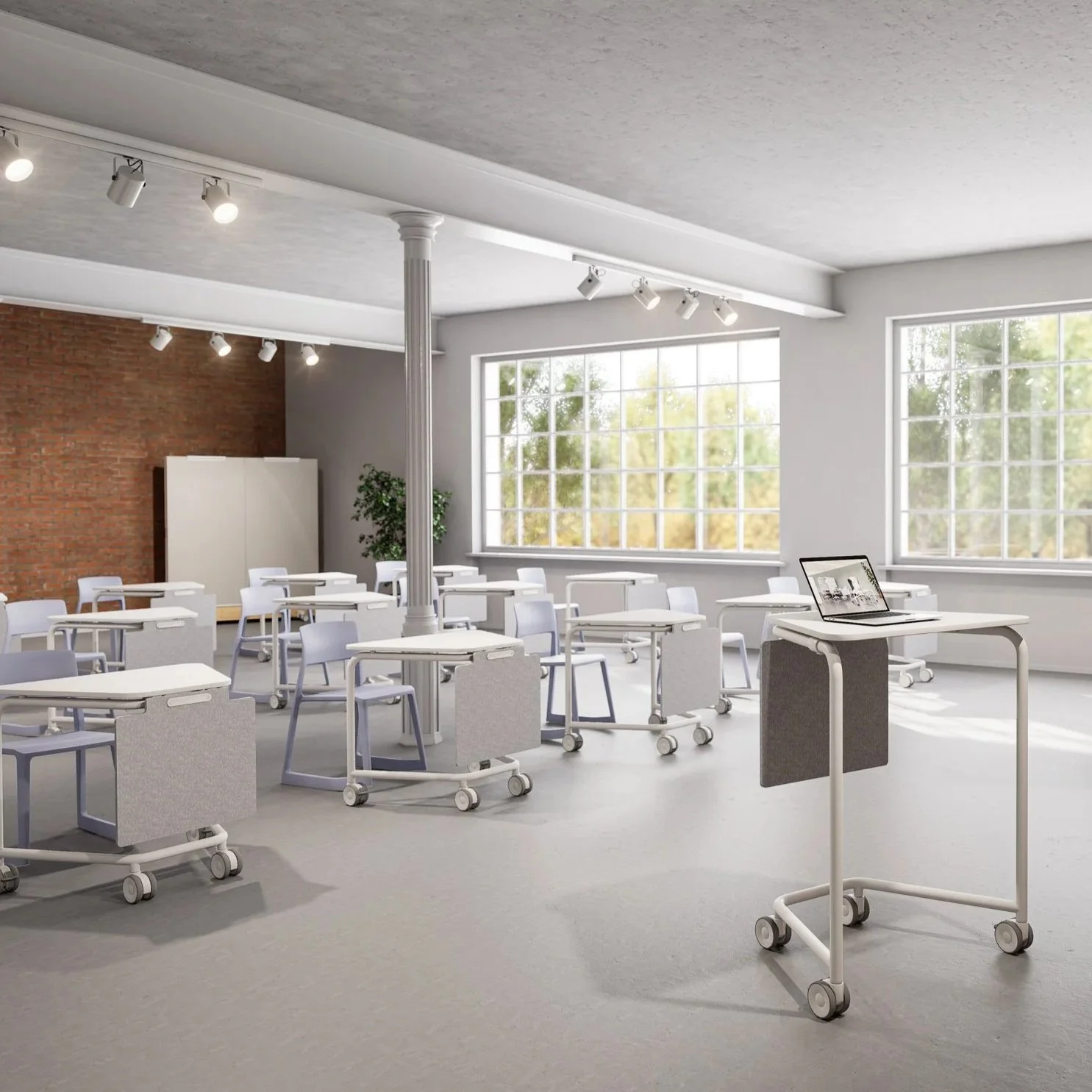
As a system of mobile and stationary tables, it supported a wide range of activities, including meetings, workshops, and focused individual work. Easily rearranged, nested, and stored, it enabled dynamic workspace reconfiguration throughout the day without disruption.
Defined by its robust tubular steel frame, Scout combined durability with a clear, industrial aesthetic. The structure integrated height adjustment mechanisms and supported accessories such as screens, allowing for subtle zoning and improved privacy within open plan offices.
Its strength lay in its neutrality. Rather than prescribing a fixed use, Scout remained open, allowing each configuration to respond to evolving patterns of work and interaction.
Reset: Rethinking the Potential of In-Between Spaces
Designed by Stephan Hürlemann in 2026, Reset focused on unlocking underused areas within modern office environments.
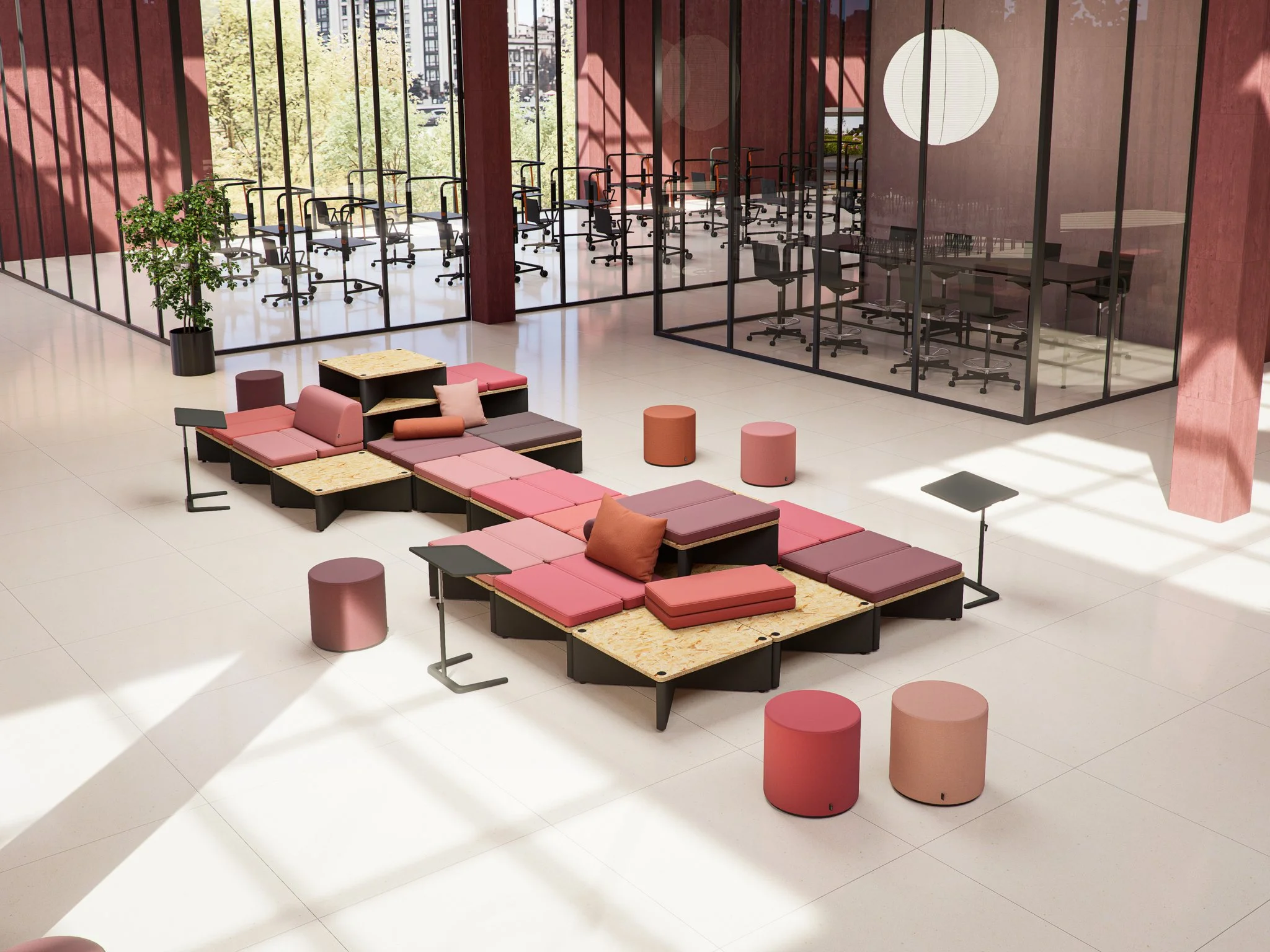
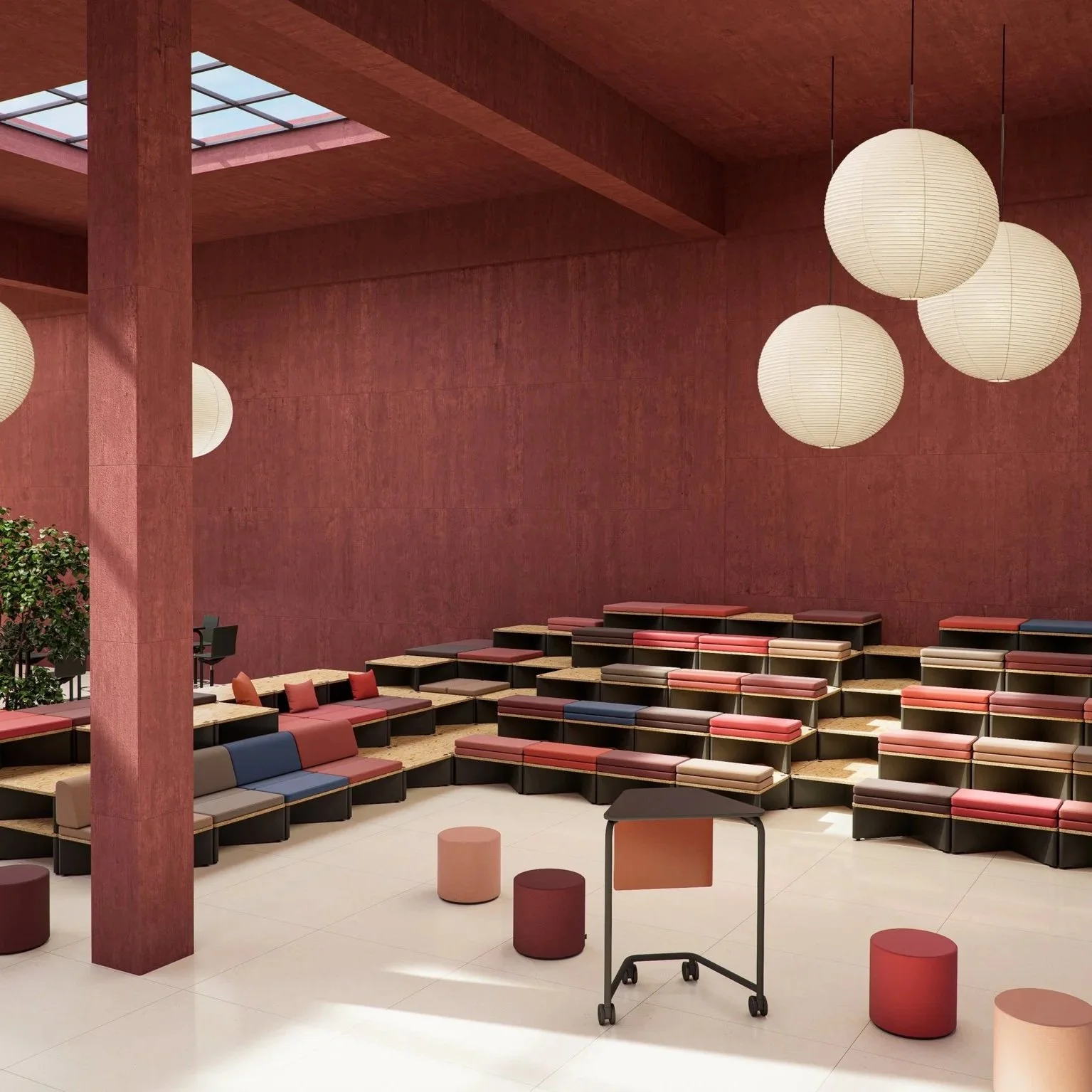
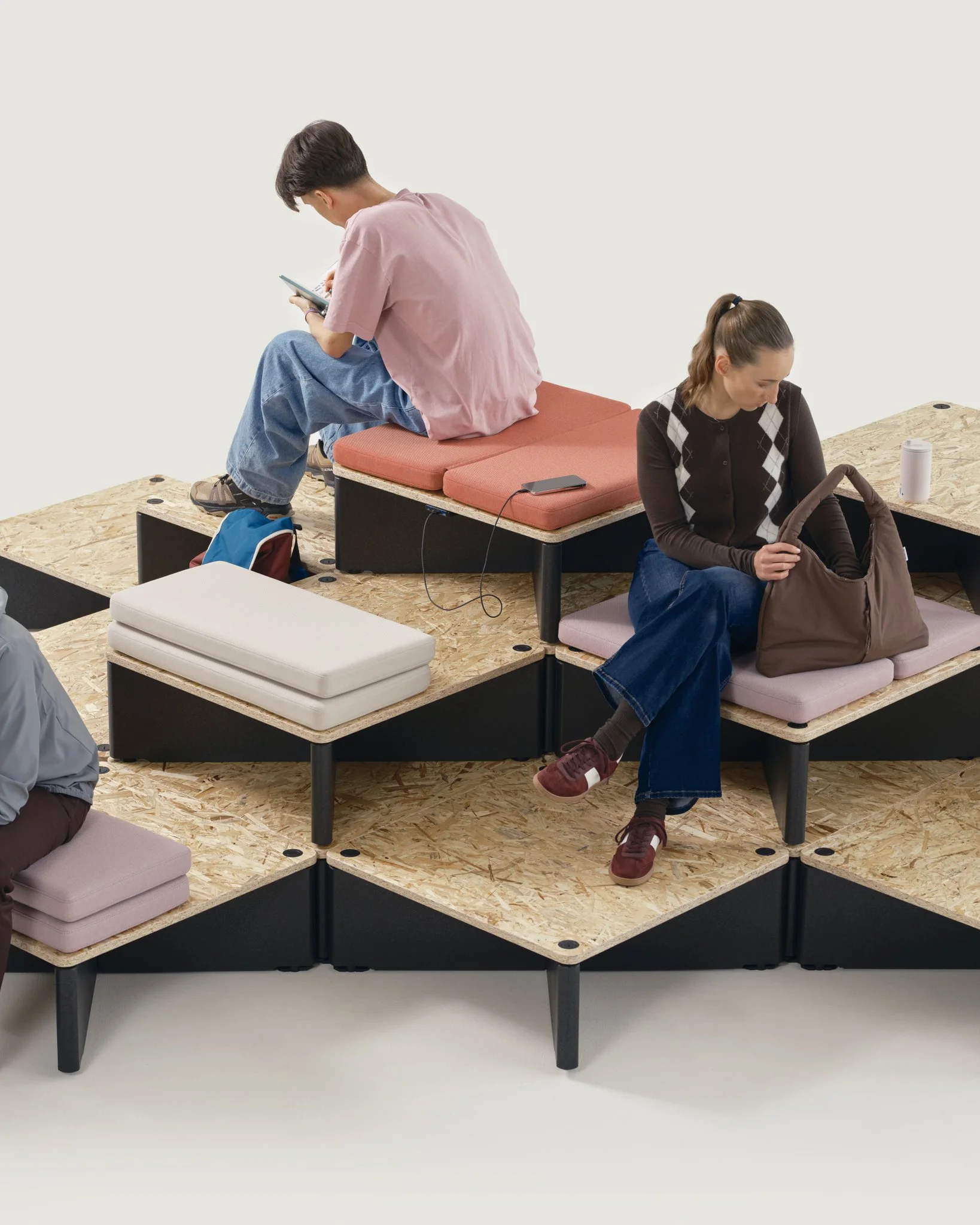
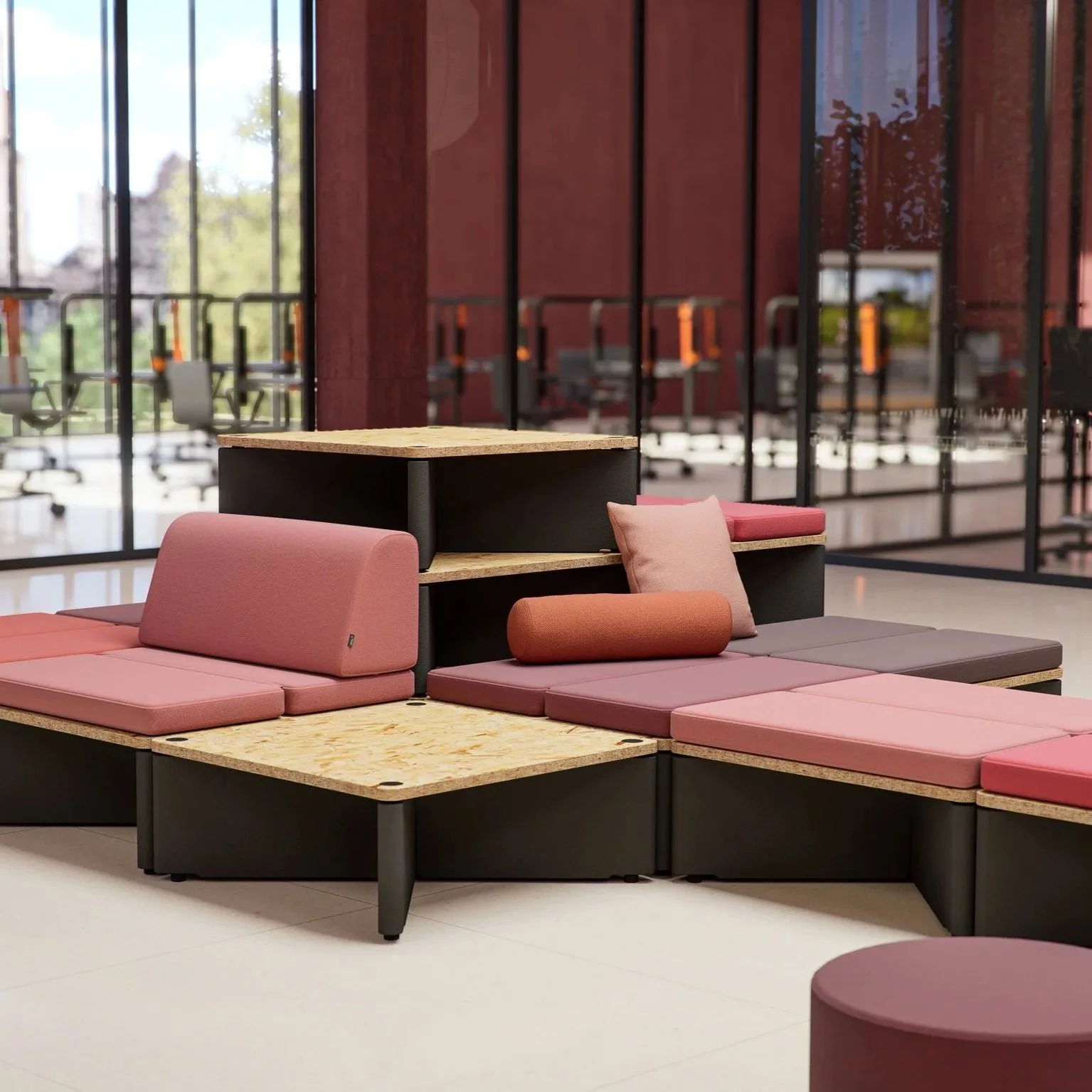
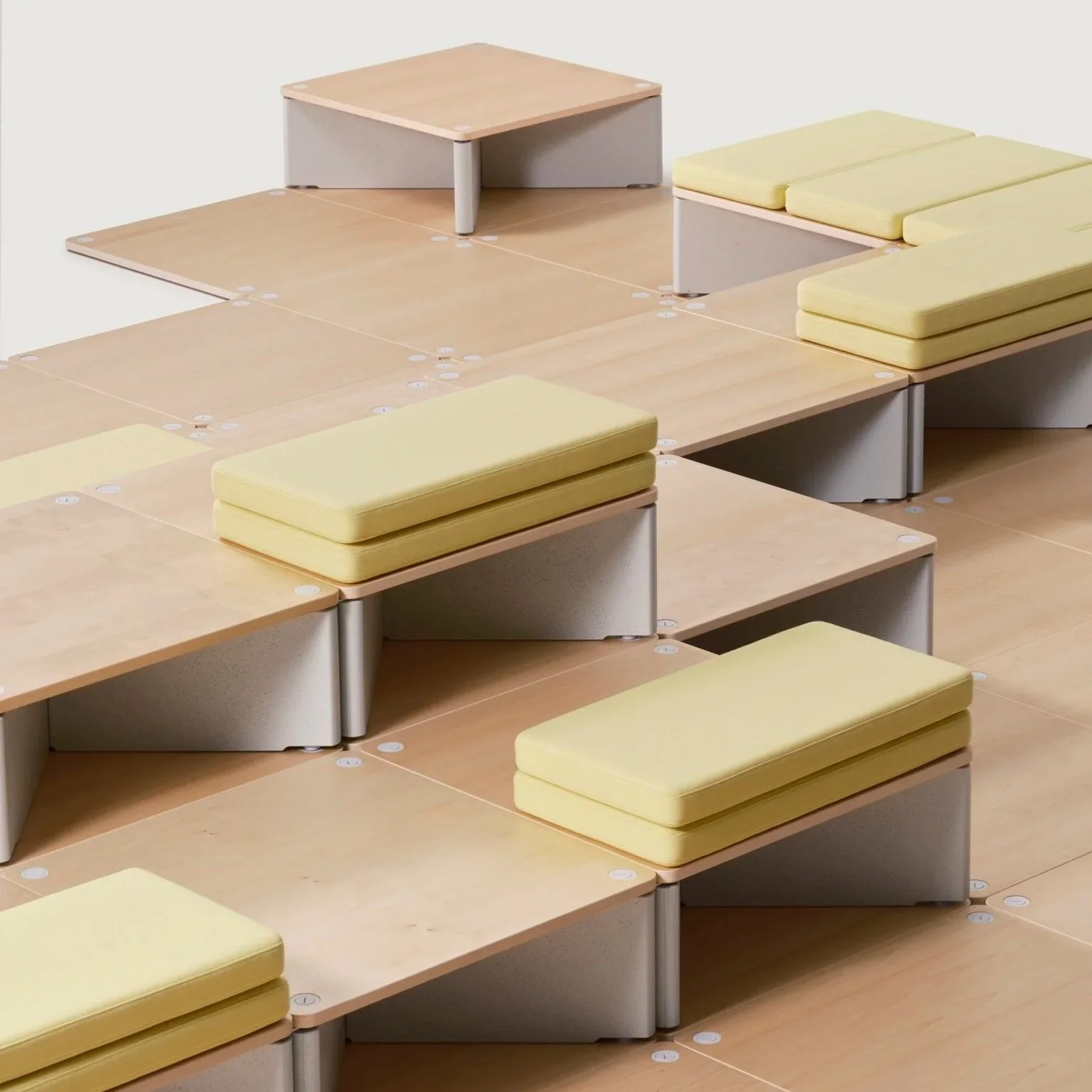
Corridors, transitional zones, and undefined corners were reimagined through a modular platform system that could be assembled and reconfigured with ease. Each element was based on a simple square module, allowing layouts to expand, shift, or be reduced depending on use. Constructed from a minimal number of components, the system is intuitive to handle and requires no permanent installation.
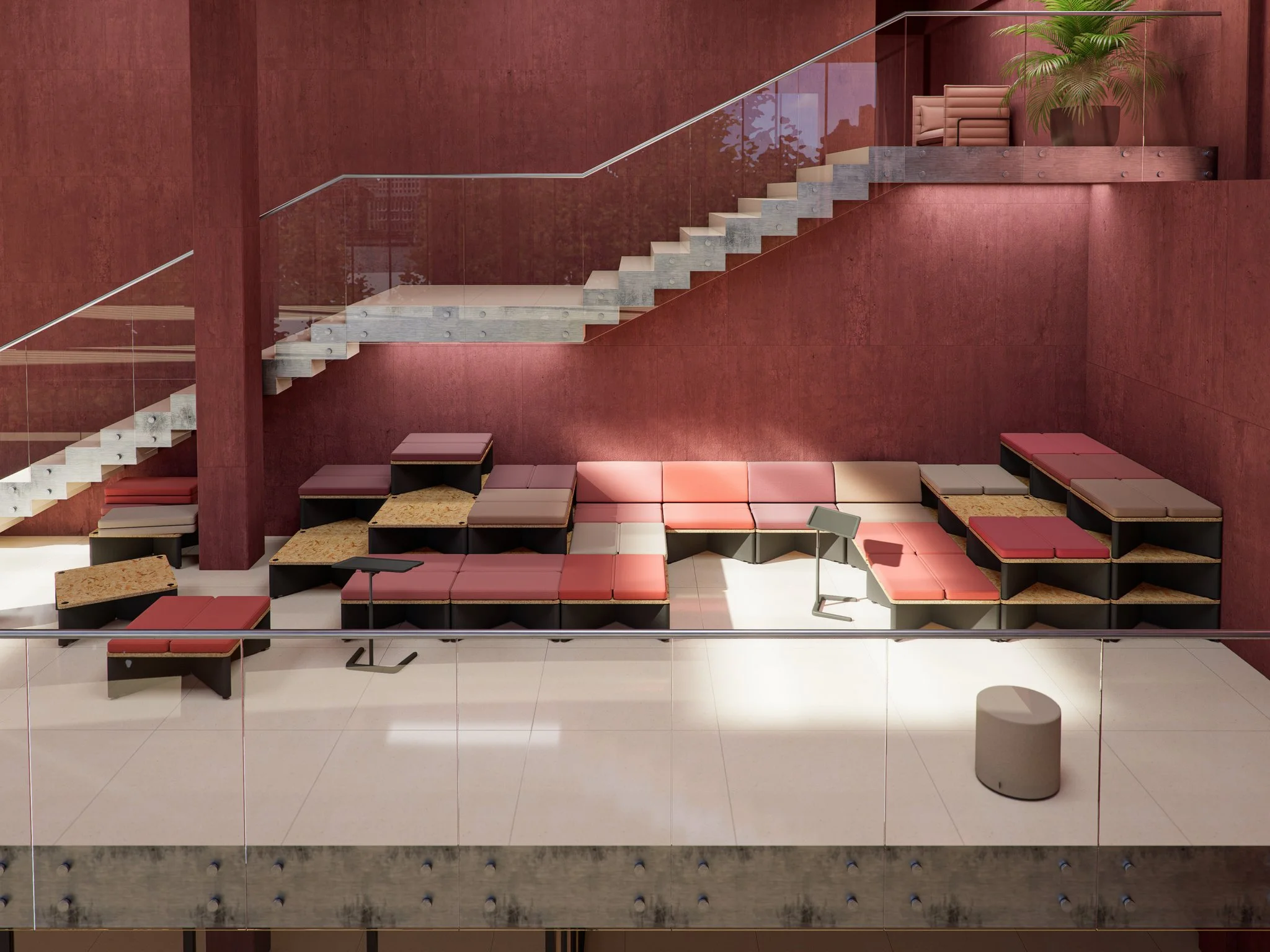
Reset was developed to activate so-called dead zones, transforming them into functional areas for informal meetings, quiet work, presentations, or collaborative use. The platforms could form seating landscapes, stepped forums, or soft architectural interventions that structured space without enclosing it.
By unlocking the potential of these in between areas, Reset repositioned them as active, usable, and essential elements of the contemporary workplace.
An evolving office landscape
Vitra’s ongoing research into the workplace reflected broader cultural and technological shifts. The Beta mindset built on this legacy, acknowledging that today’s office must remain adaptable in the face of uncertainty.
Rather than designing for permanence, it proposed a flexible framework that treated change as a constant.
In this context, Scout and Reset were not just products, but tools that supported a more responsive, efficient, and future oriented approach to work.
—
If you enjoyed this article, you should check out Biehler Graveleine Byos.