A First Look at Longchamp’s Latest Design Collaboration — Can You Guess Who It Is?
For Milan Design Week 2026, Longchamp collaborates with Patrick Jouin on a new collection bridging furniture, objects and leather craftsmanship
—
For Milan Design Week 2026, Longchamp continues its quiet expansion into the world of design with a new collaboration alongside Patrick Jouin.
Set to be presented as an installation inside the brand’s Via della Spiga flagship, this exclusive collaboration brings together contemporary design and leather craftsmanship, exploring material, form and function through a shared language that reflects both Patrick Jouin’s approach and Longchamp’s design language.
The Collaboration
Developed for Milan Design Week 2026, the collaboration between Longchamp and Patrick Jouin extends the maison’s craftsmanship into furniture and object design.
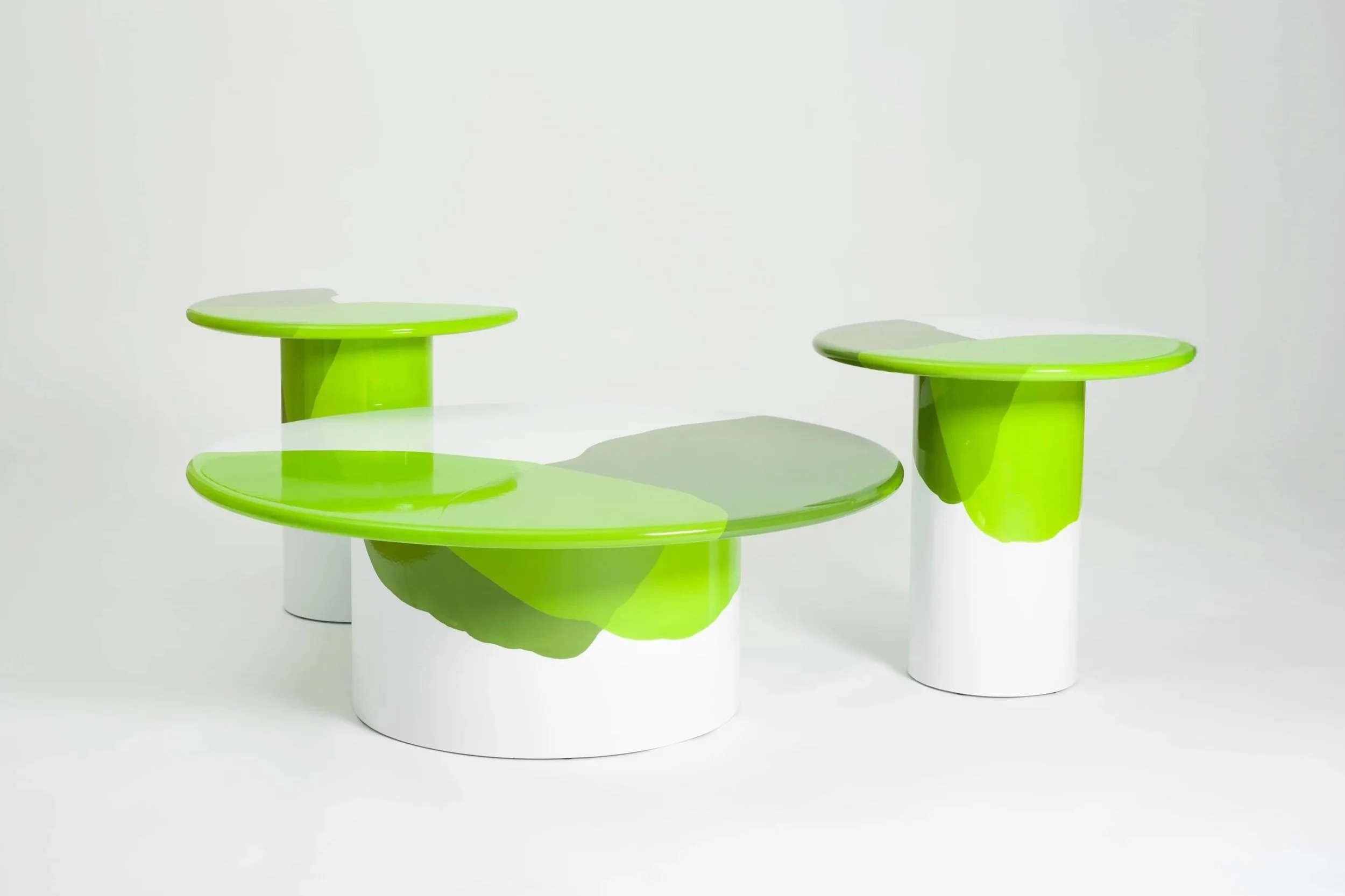
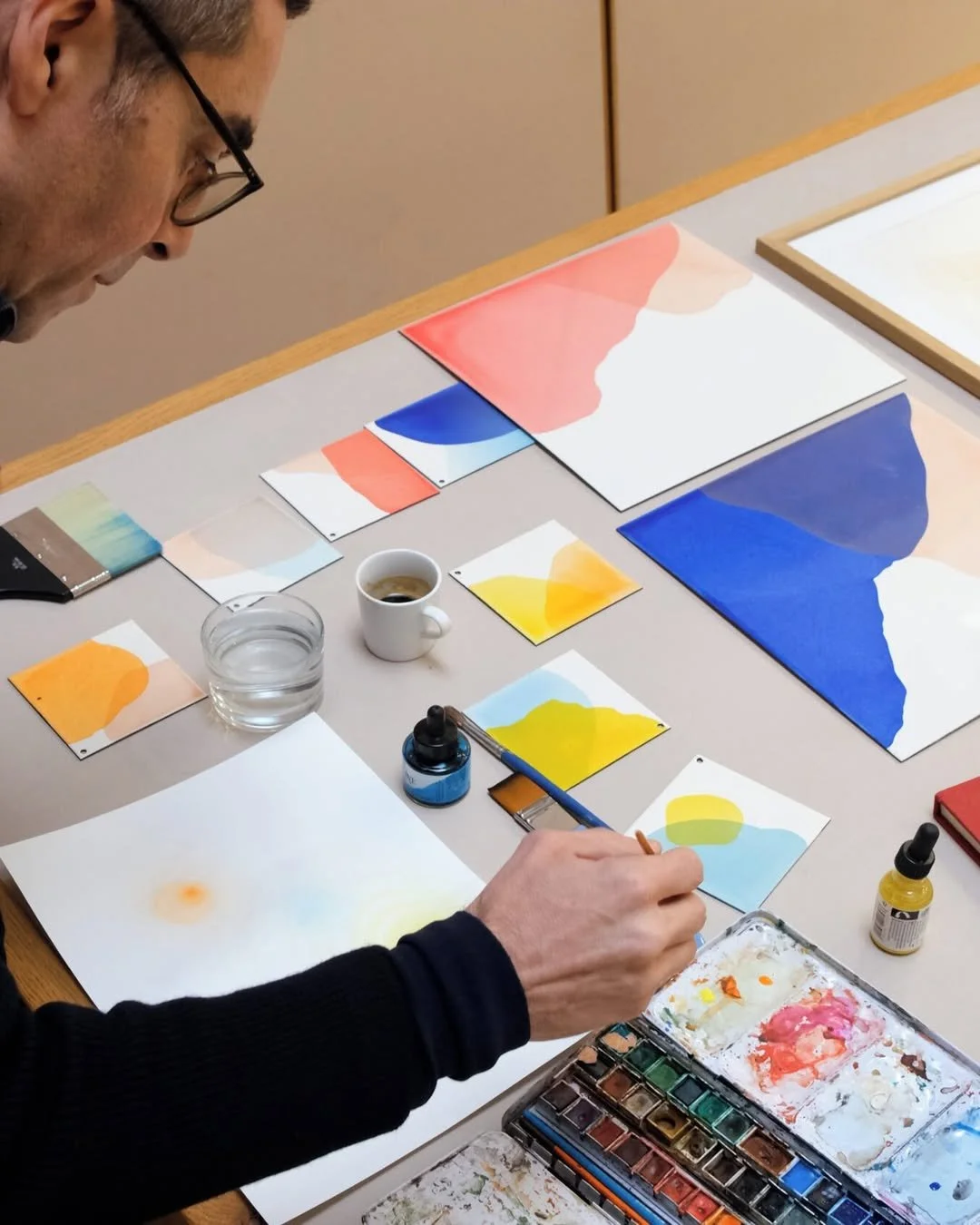
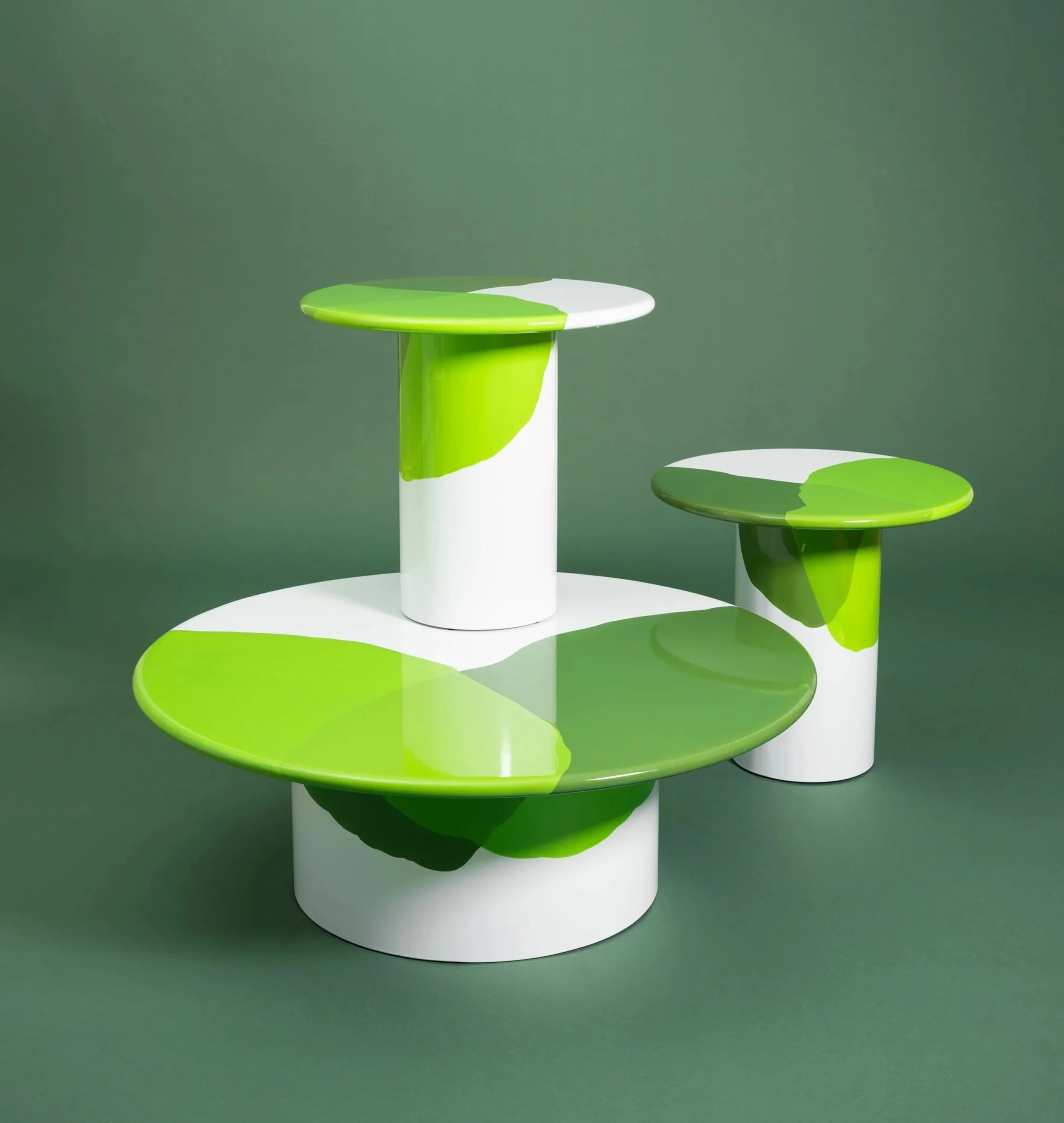
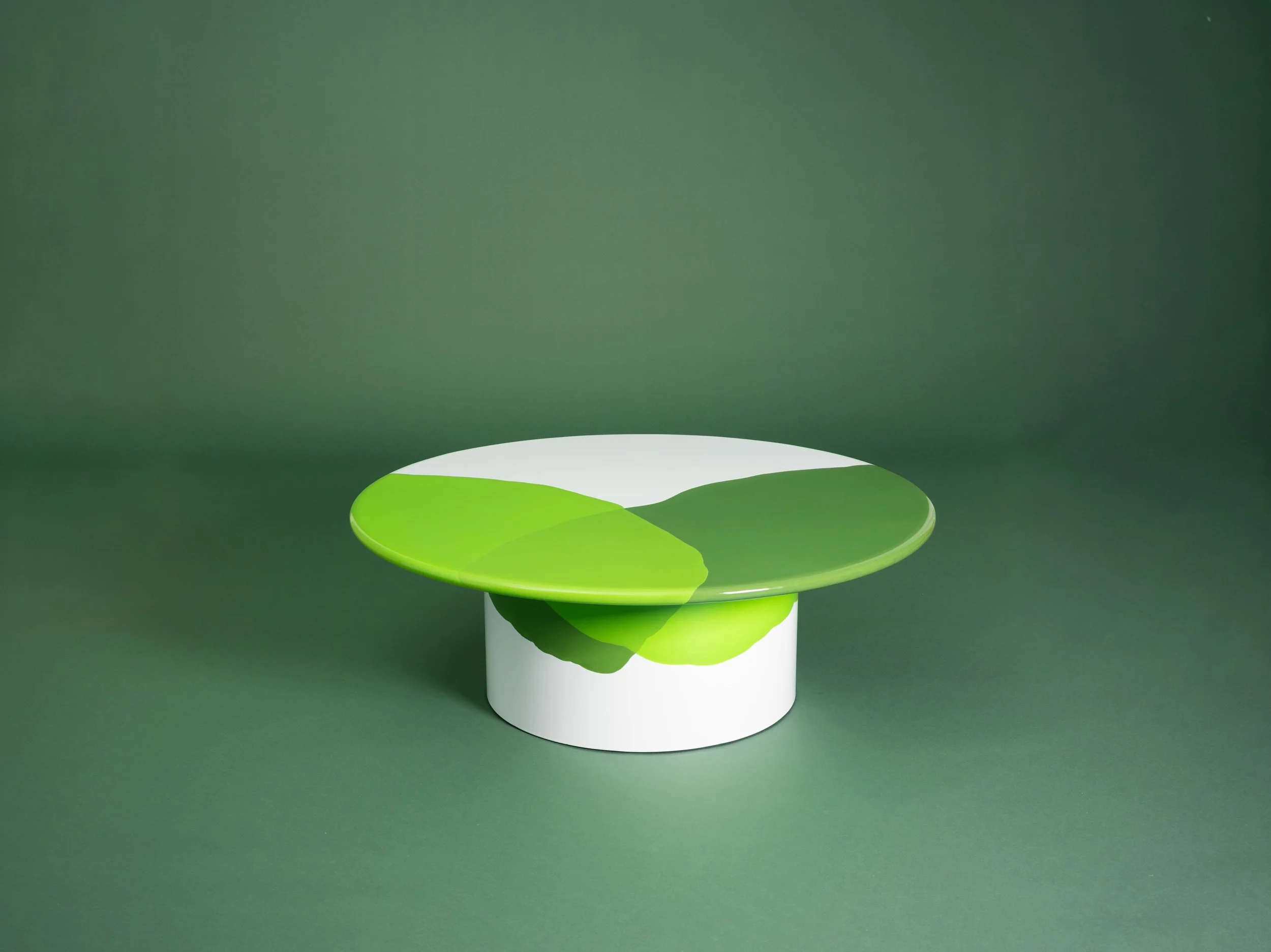
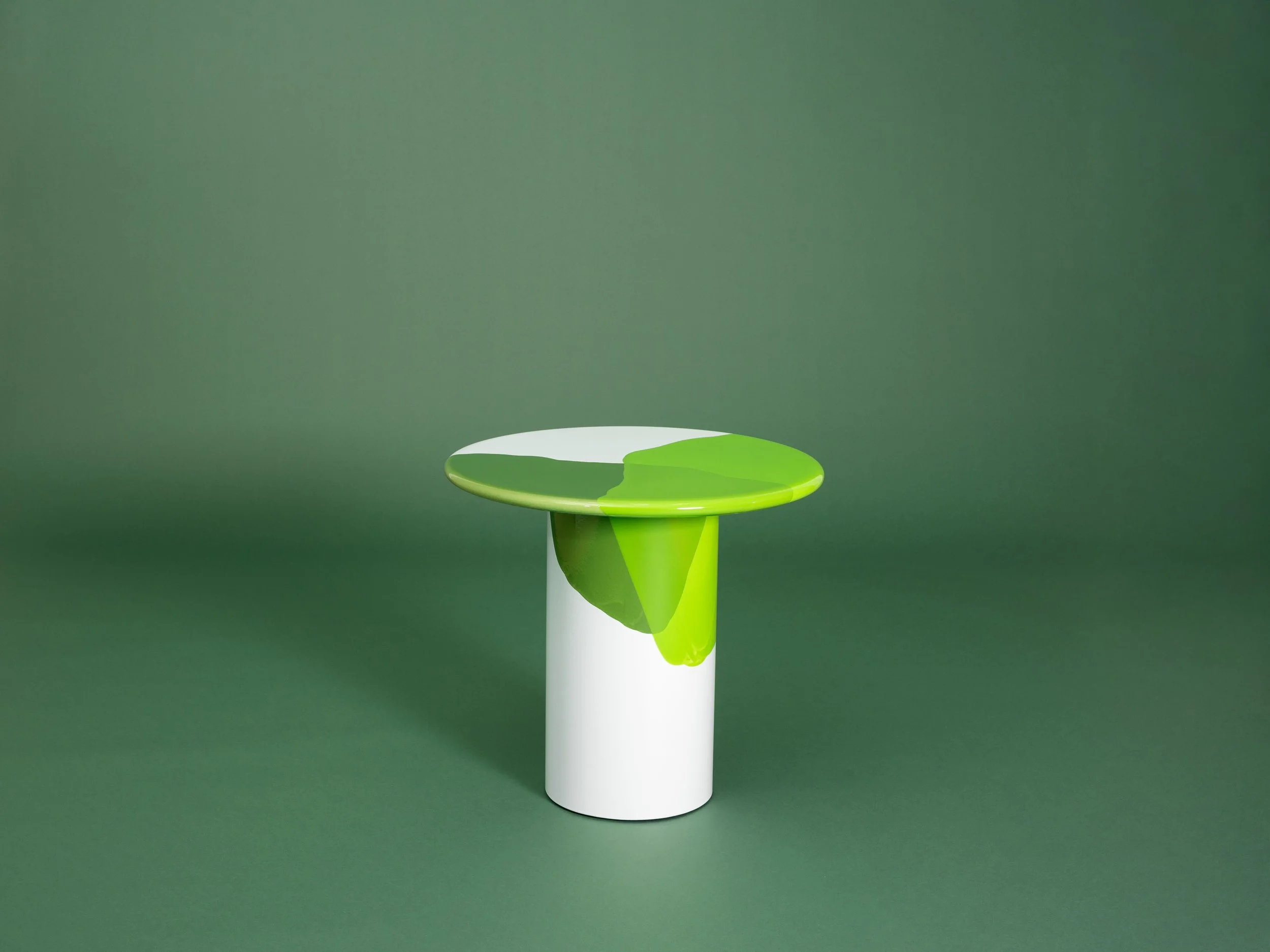
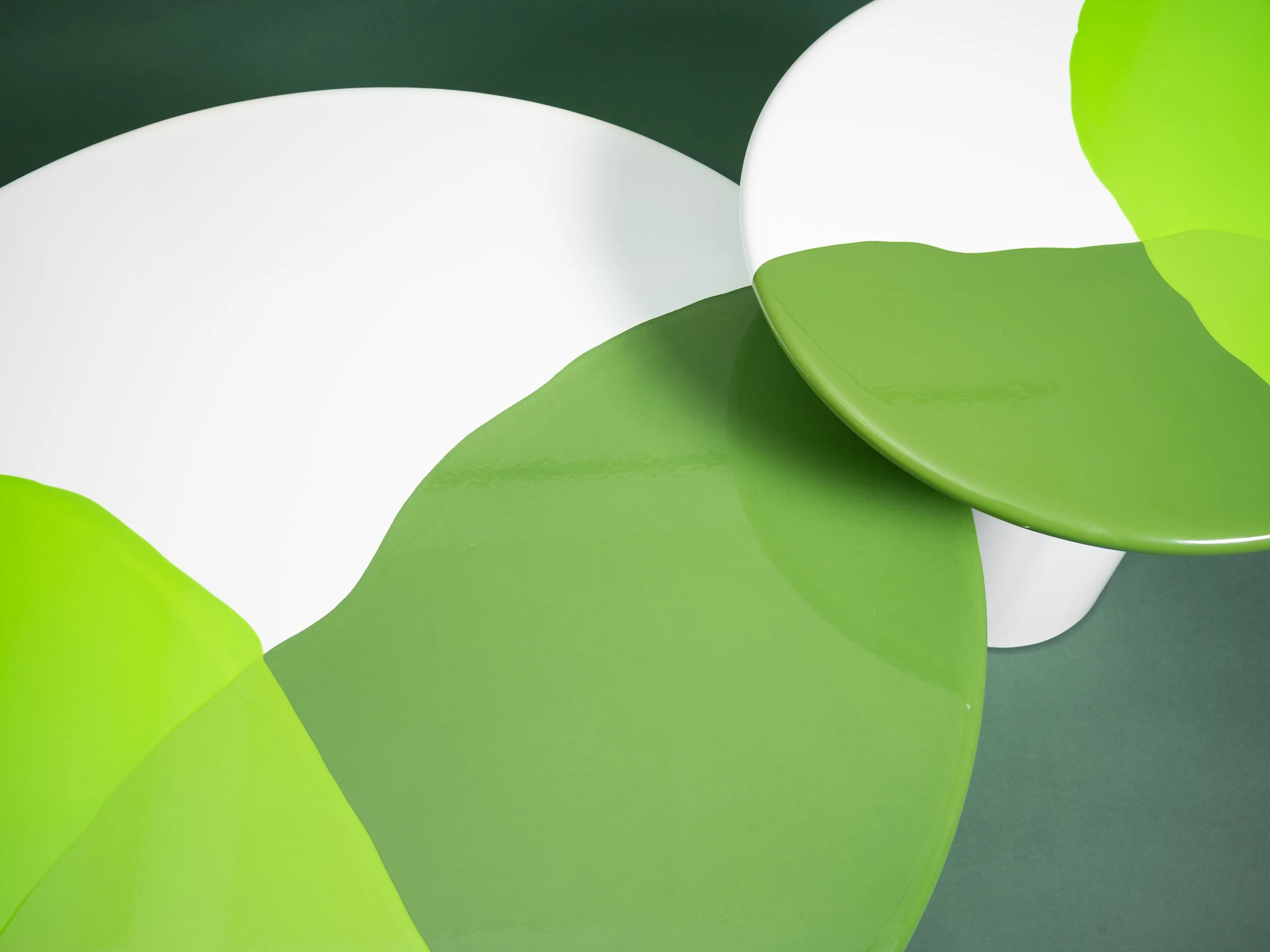
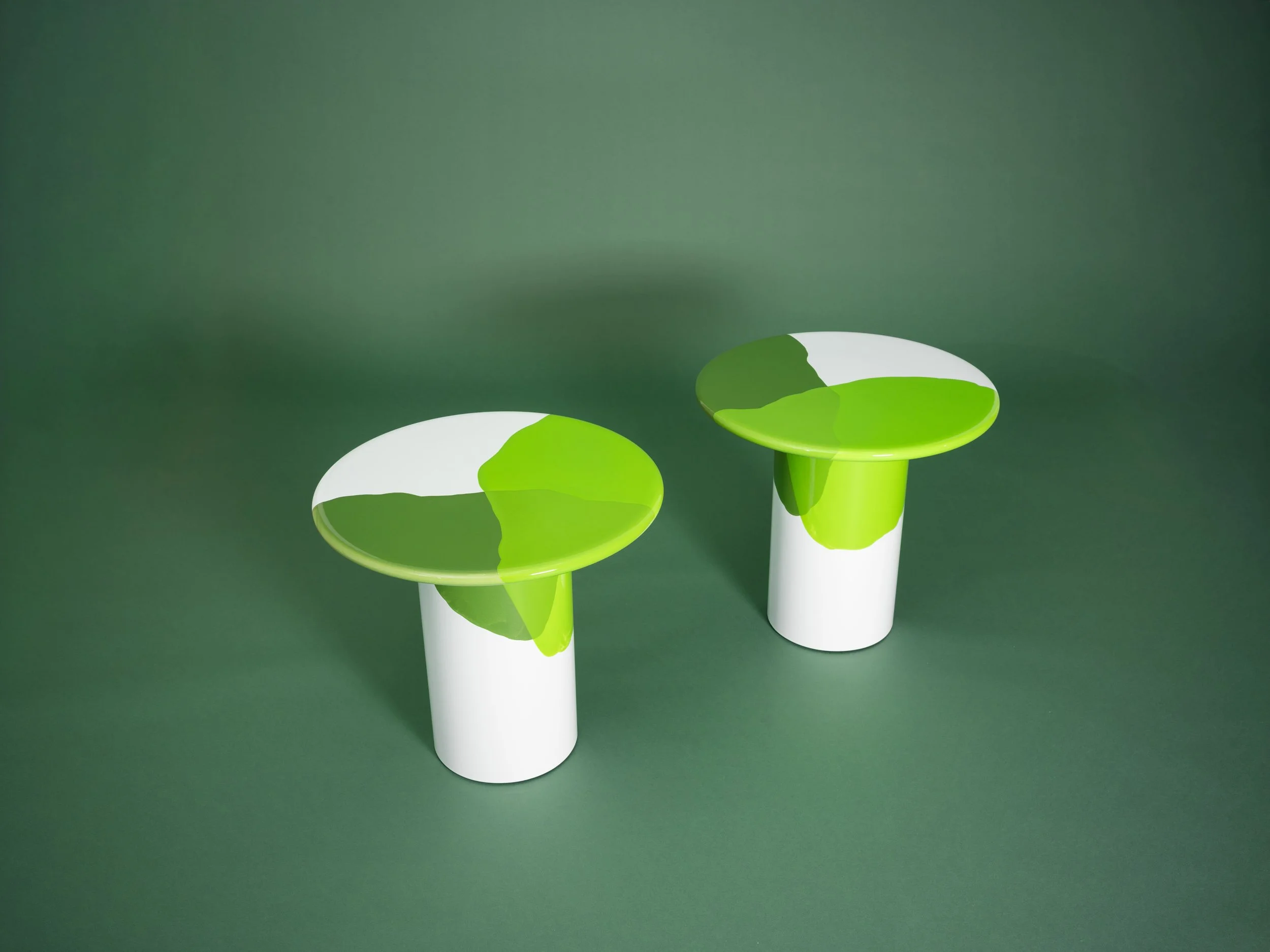
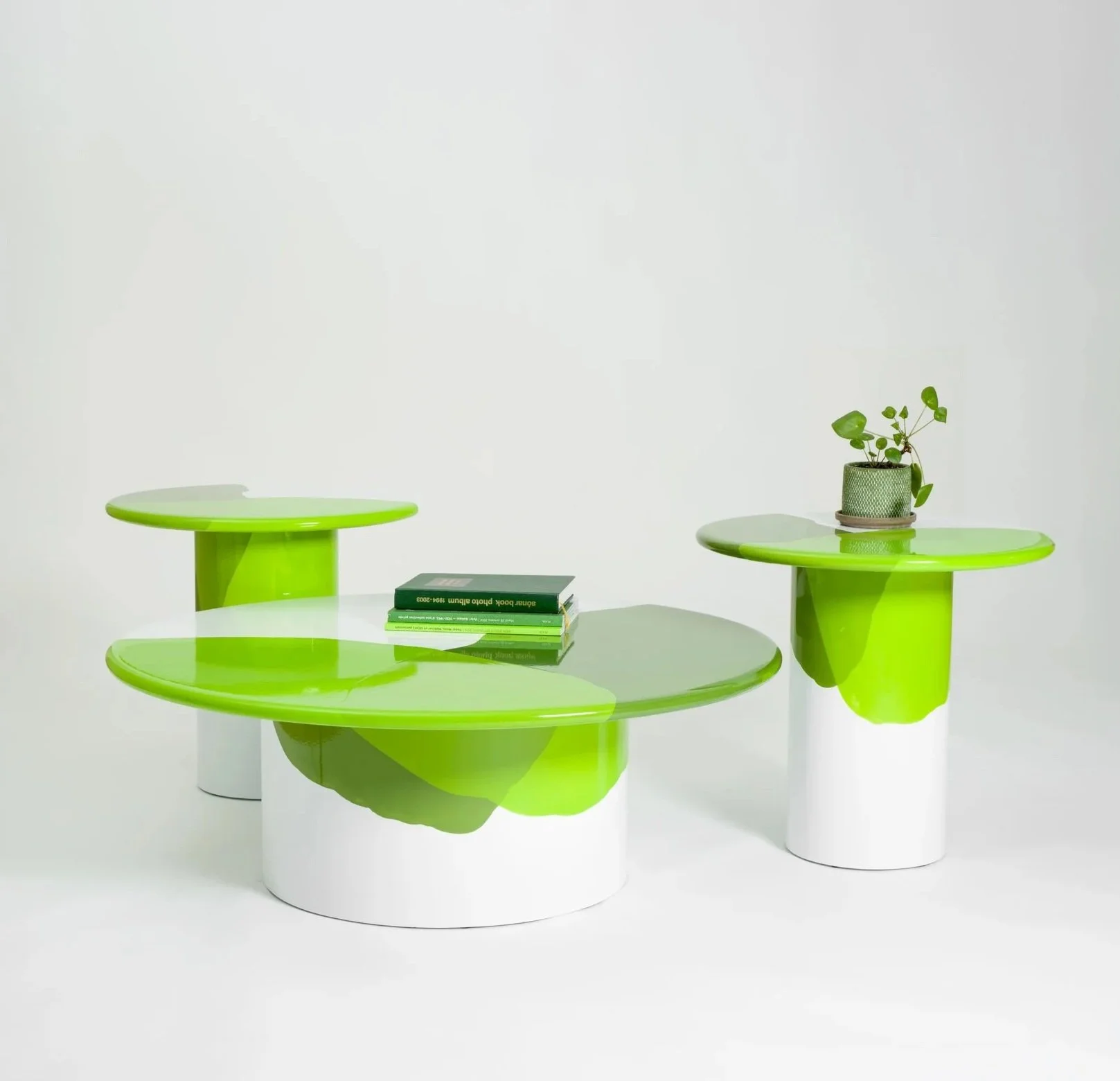
At the centre of the collaboration are reinterpreted pieces from Jouin’s Édition collection, including the DROP side and coffee tables. The tables stand out for their surface, crafted in spun steel and finished with hand-poured enamel glazes that settle into soft, watercolour-like layers.
Shades of Longchamp’s signature Light Green and Heritage Green move almost fluidly across the tabletop, creating subtle variations that give each piece its own unique character.
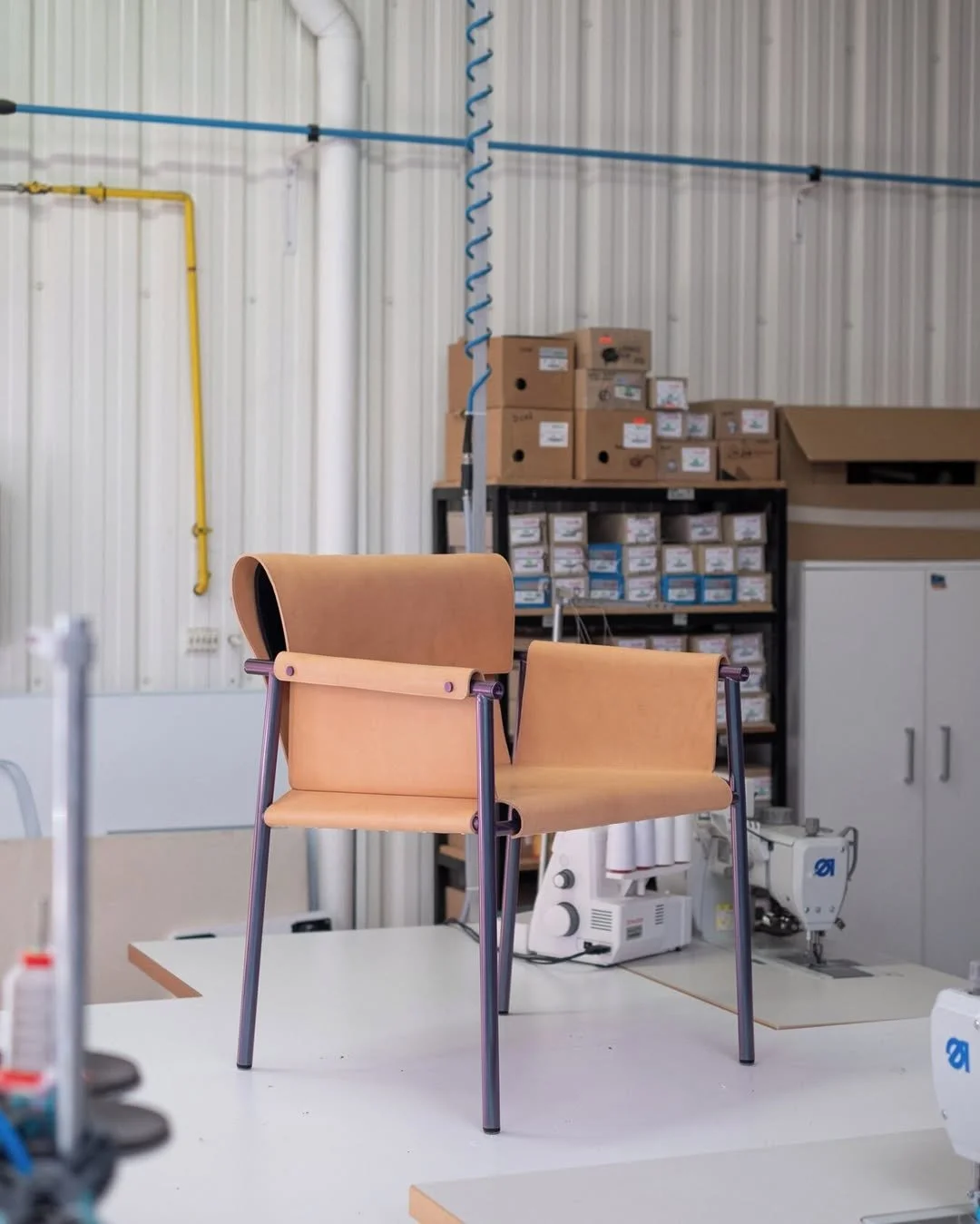
The same attention to detail extends to the OLO armchair, which completes the set. Upholstered in leather, its edges are delicately dyed in Light Green, a subtle yet precise gesture that highlights the bespoke nature of the collaboration and the craftsmanship behind each piece.
A Limited Edition Release
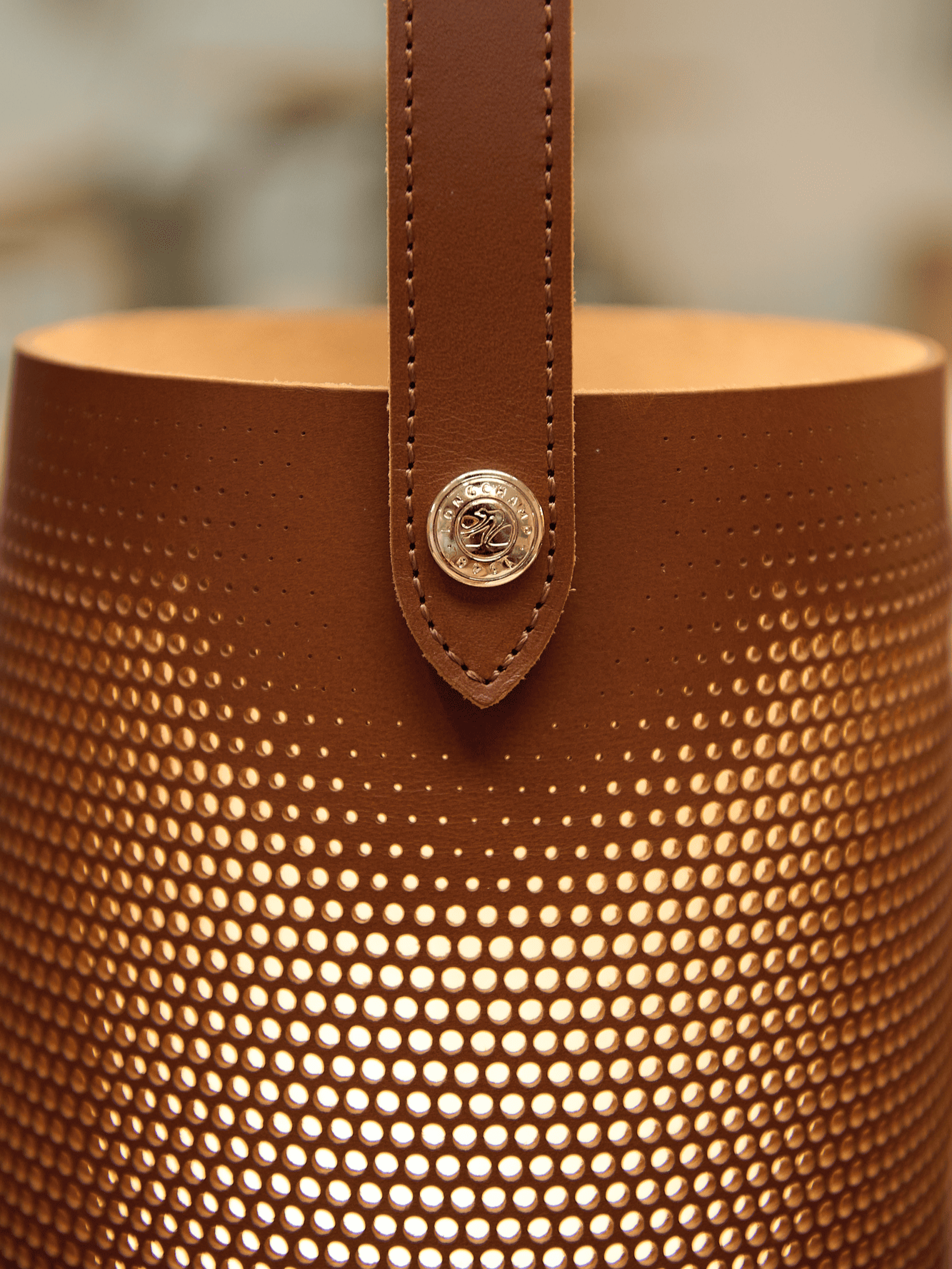
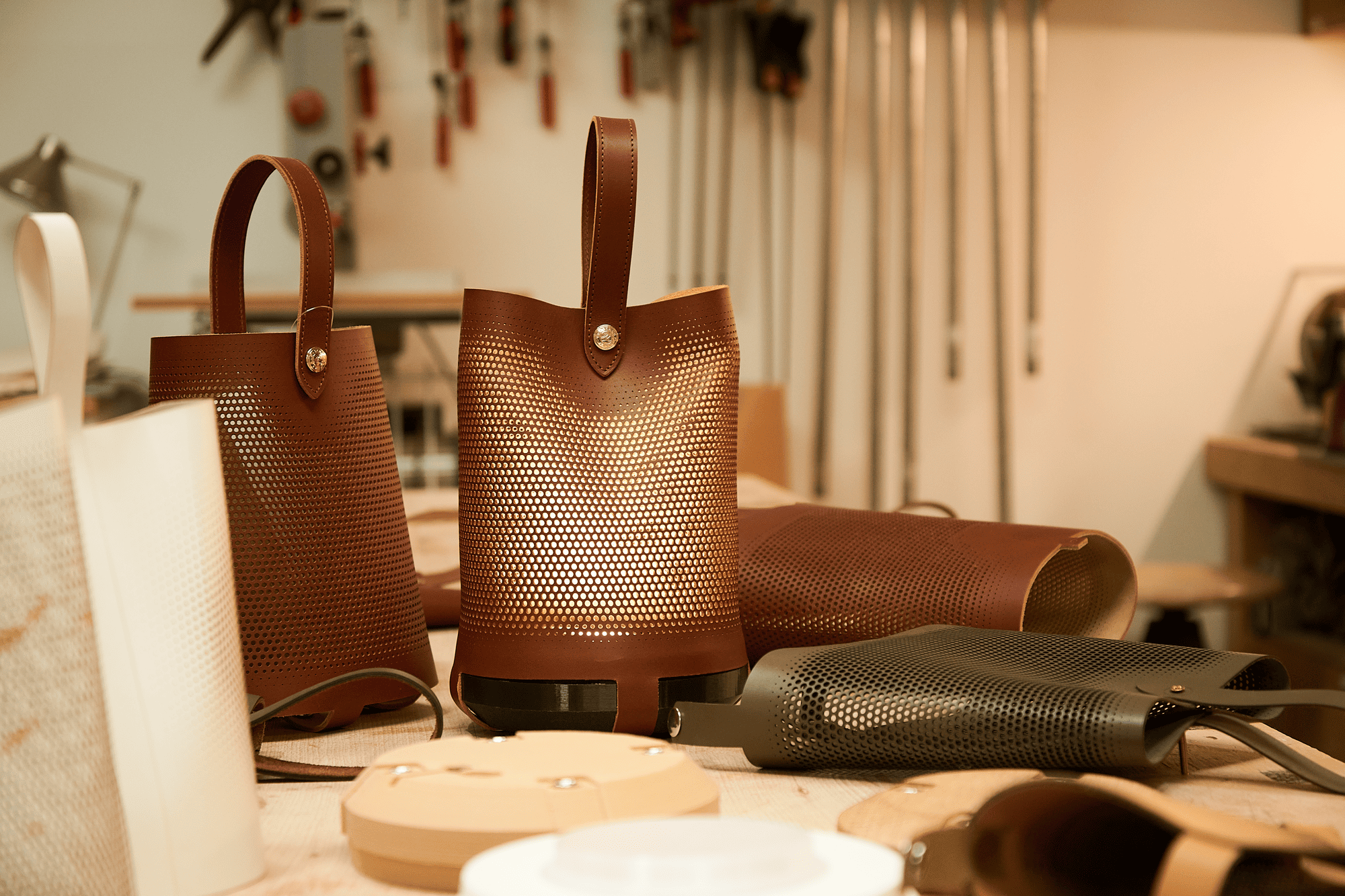
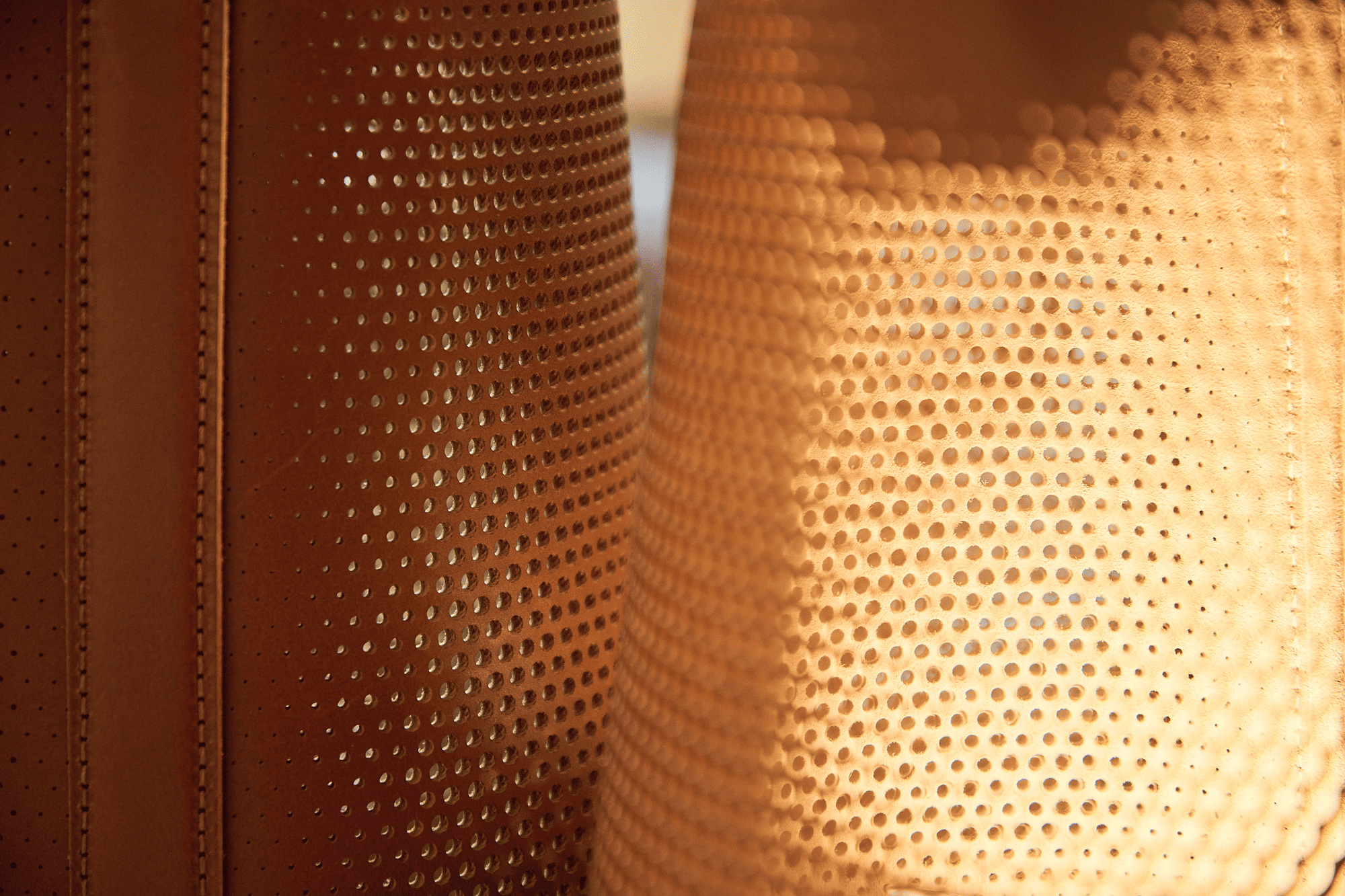
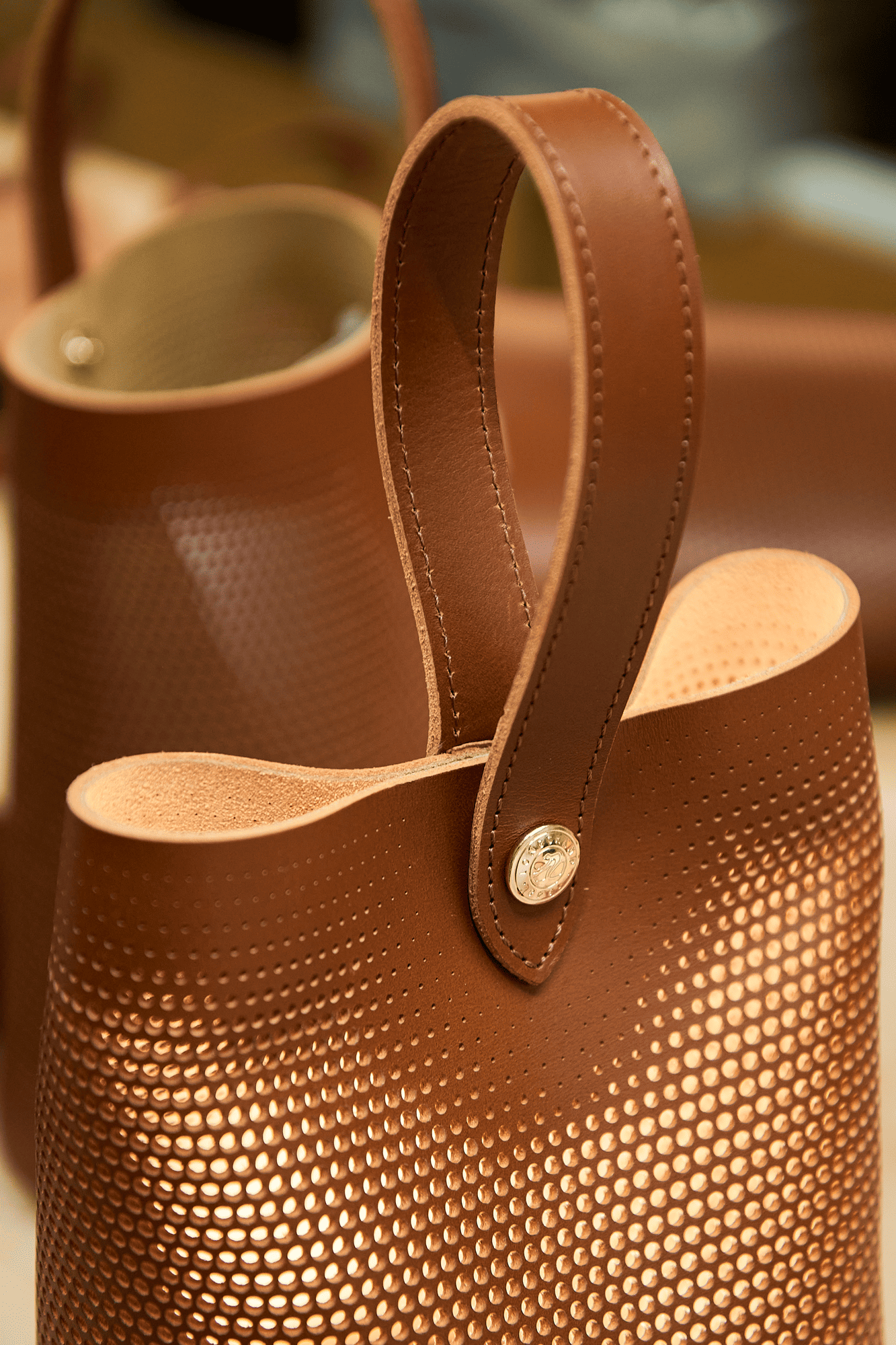
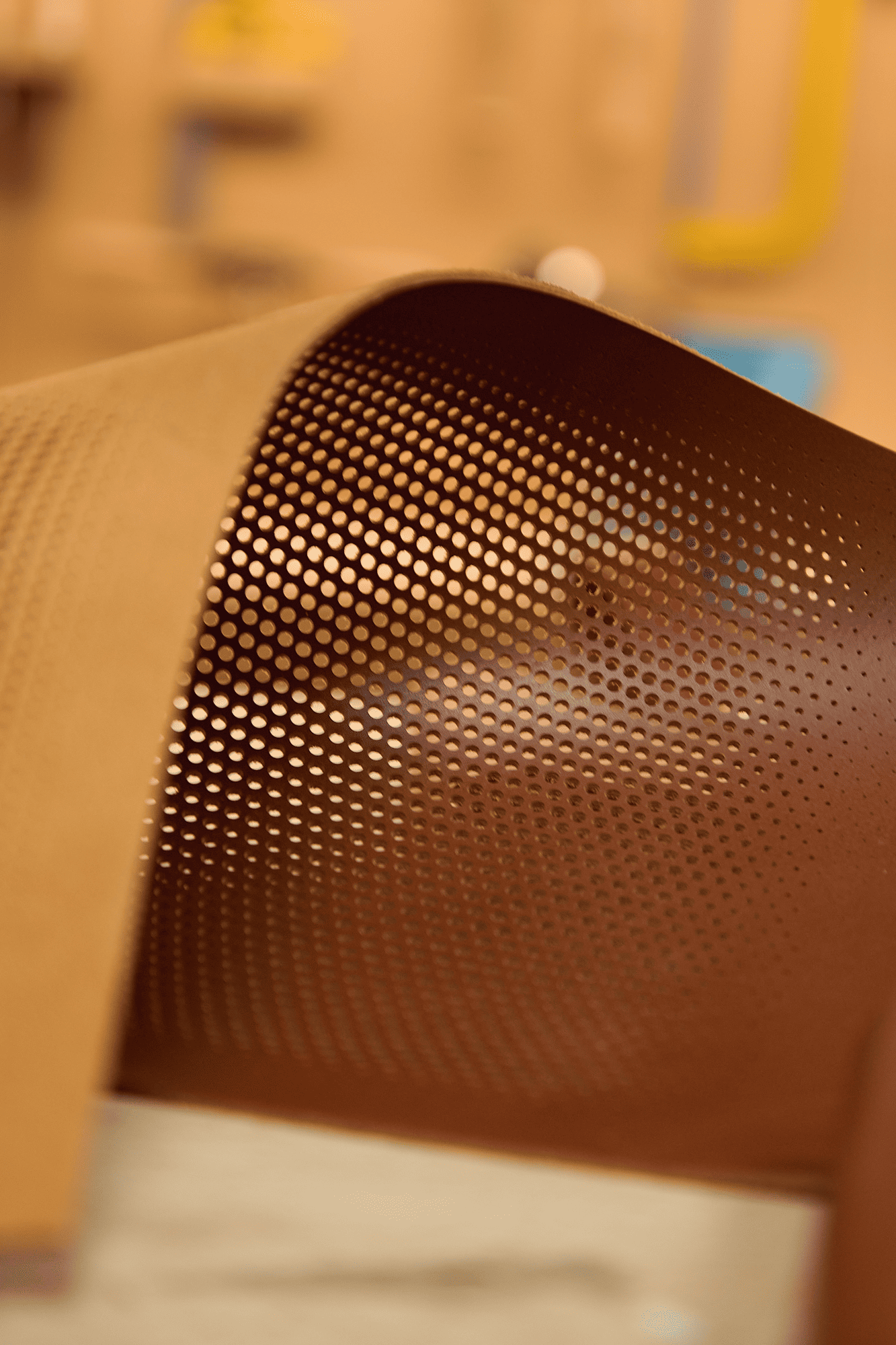
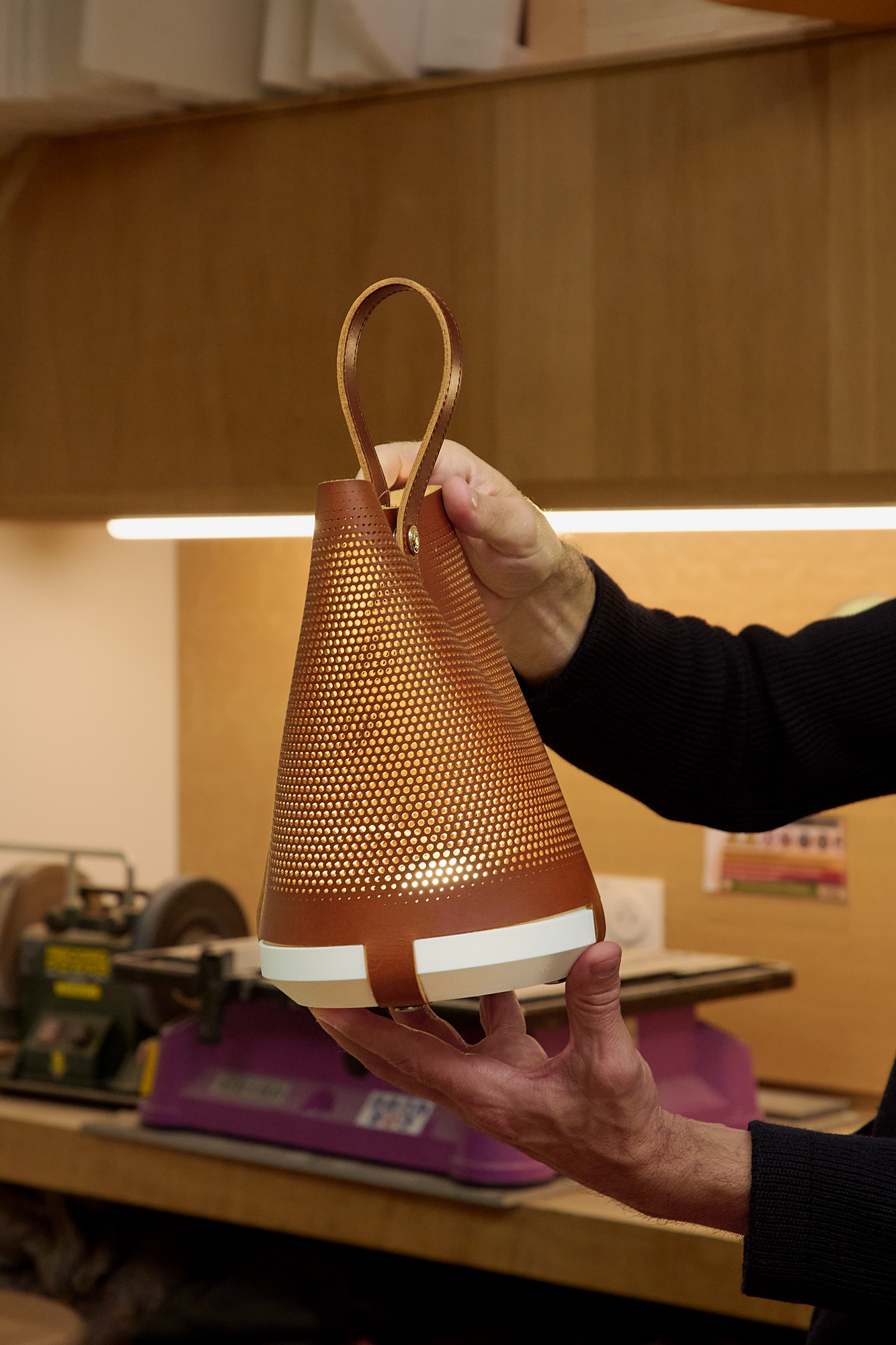
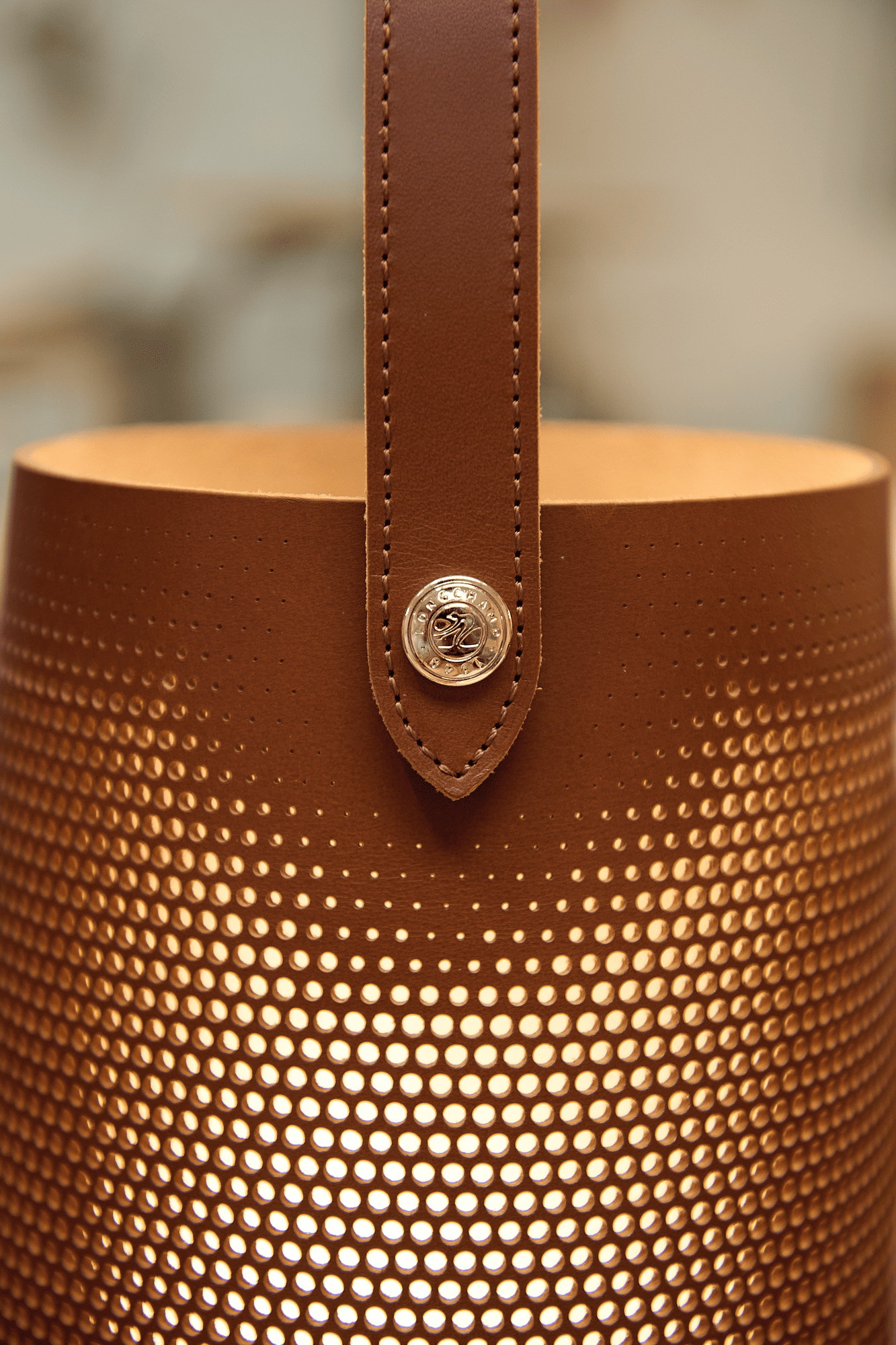
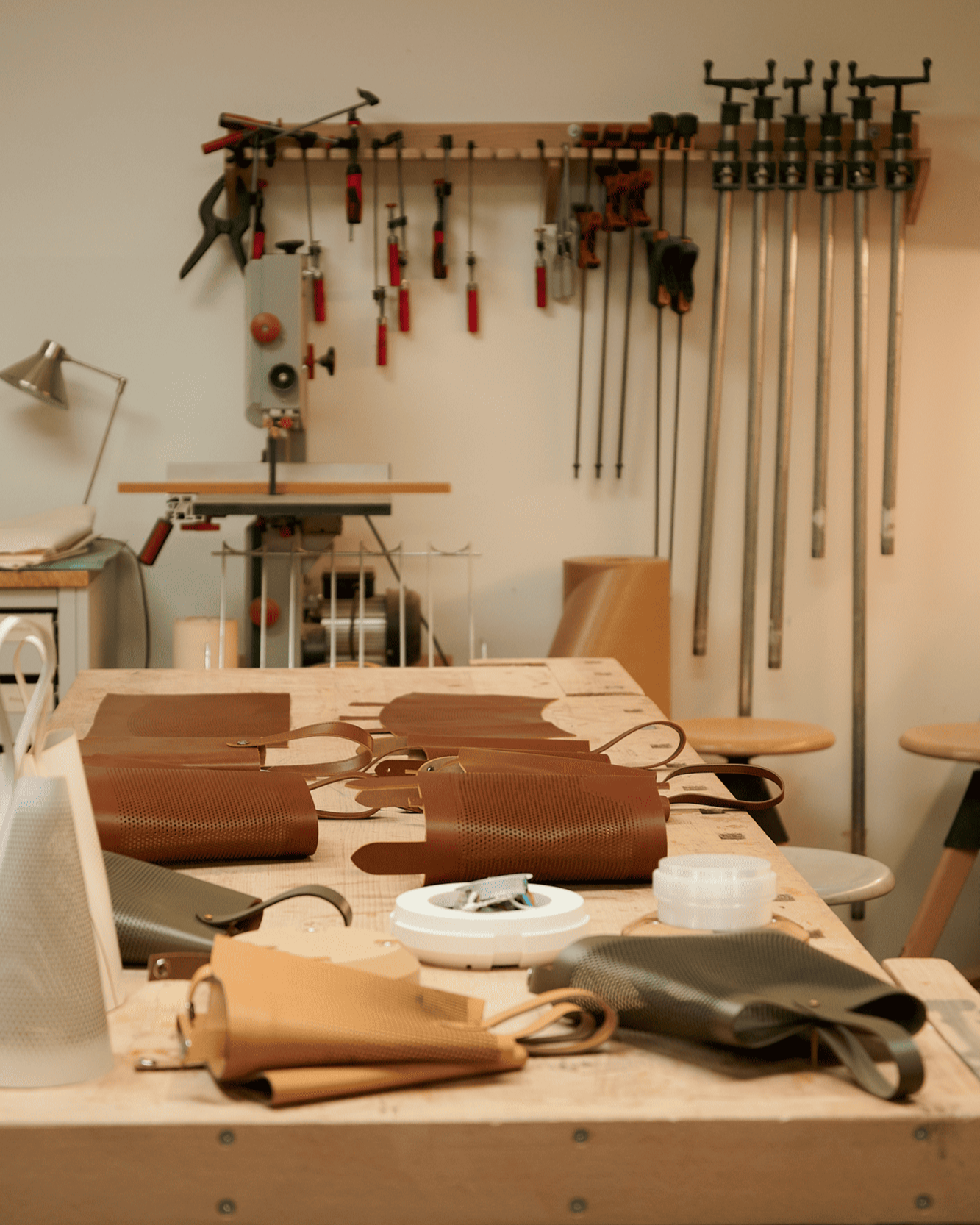
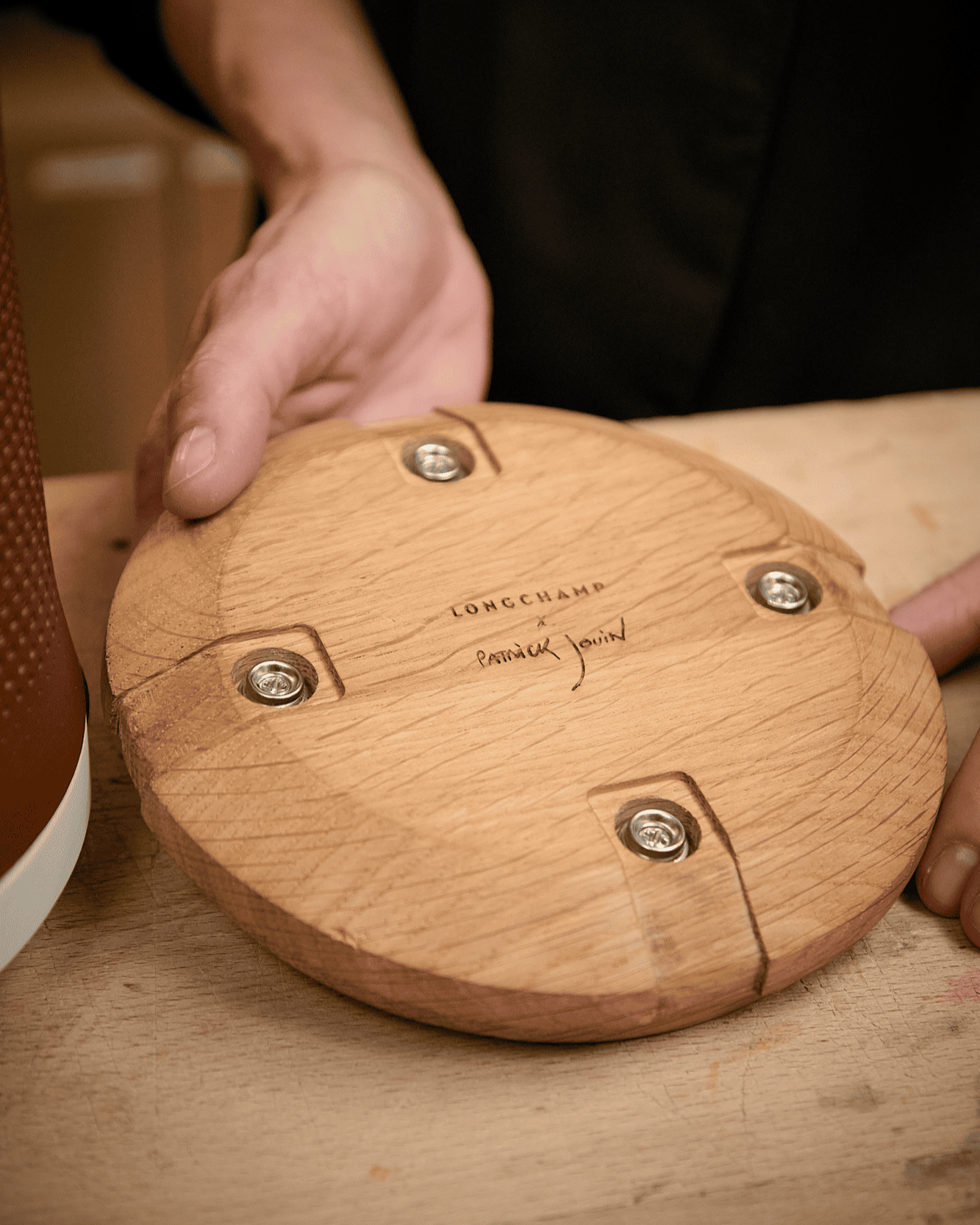
Alongside the furniture, the collaboration also introduces a new object: a lamp that brings together both worlds more directly. Designed as a portable, modular piece, it takes the form of a cone crafted from full-grain leather, worked with a micro-perforation technique and set on a French oak base. Familiar details, like the snap fastenings inspired by Longchamp’s Le Pliage, are reinterpreted into something entirely new.
Produced in a limited edition of just 10 numbered pieces, the lamp reflects a more experimental side of the collaboration, and will be available at Longchamp’s Milan boutique as well as online across Europe.
Behind the Collaboration: A Conversation with Sophie Delafontaine and Patrick Jouin
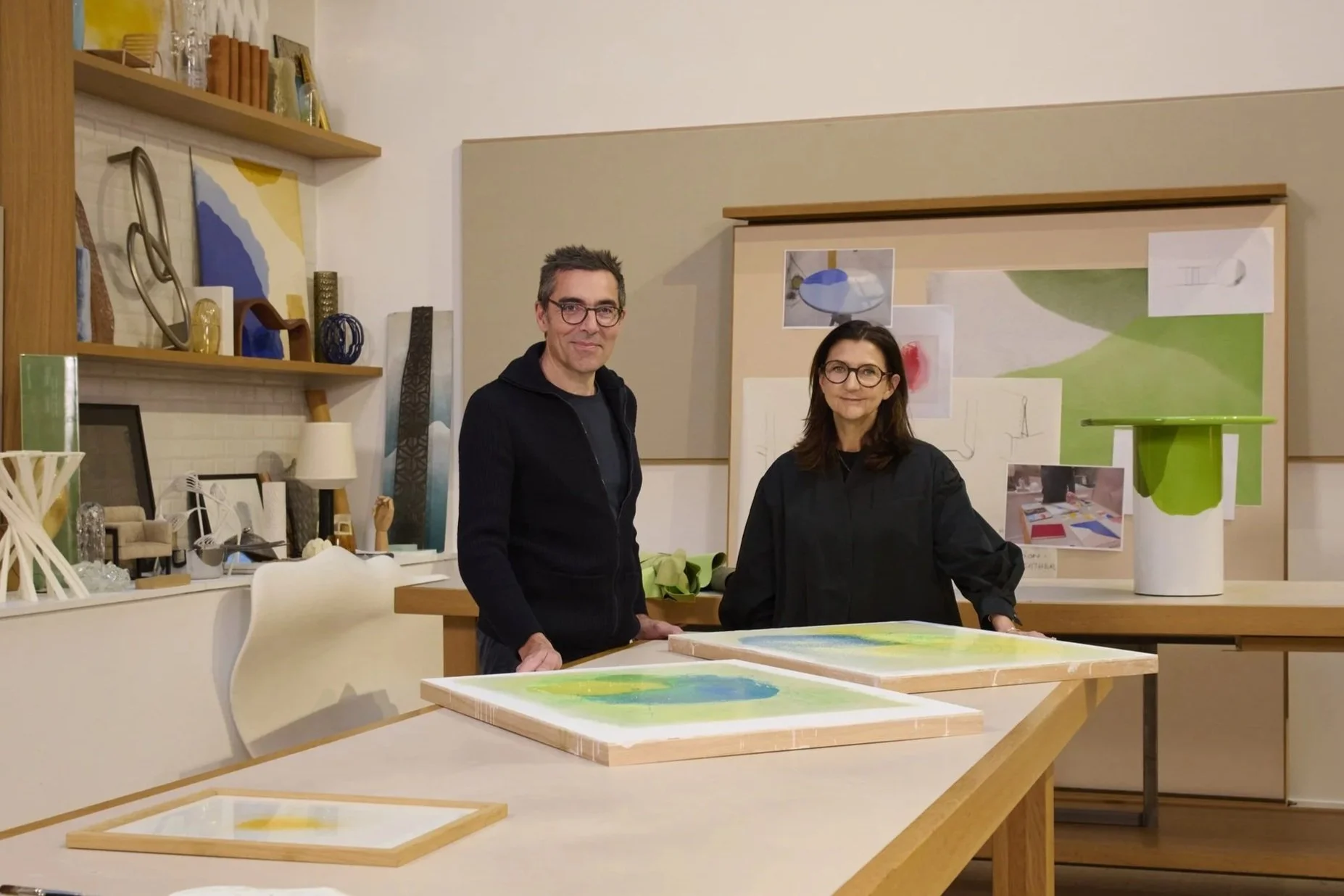
We had the pleasure of speaking with Sophie and Patrick to understand how the collaboration came to life, and what they set out to create through it.
Meet Patrick Jouin
Patrick Jouin is a French designer known for a practice that moves between industrial design, collectible pieces and architecture. From collaborations with brands like Louis Vuitton and Alessi to large-scale public projects, his work is defined by a strong focus on material, innovation and everyday function.
Through his own line, Patrick Jouin Édition, he explores a more experimental approach, using design as a space for craftsmanship, research and unexpected forms.
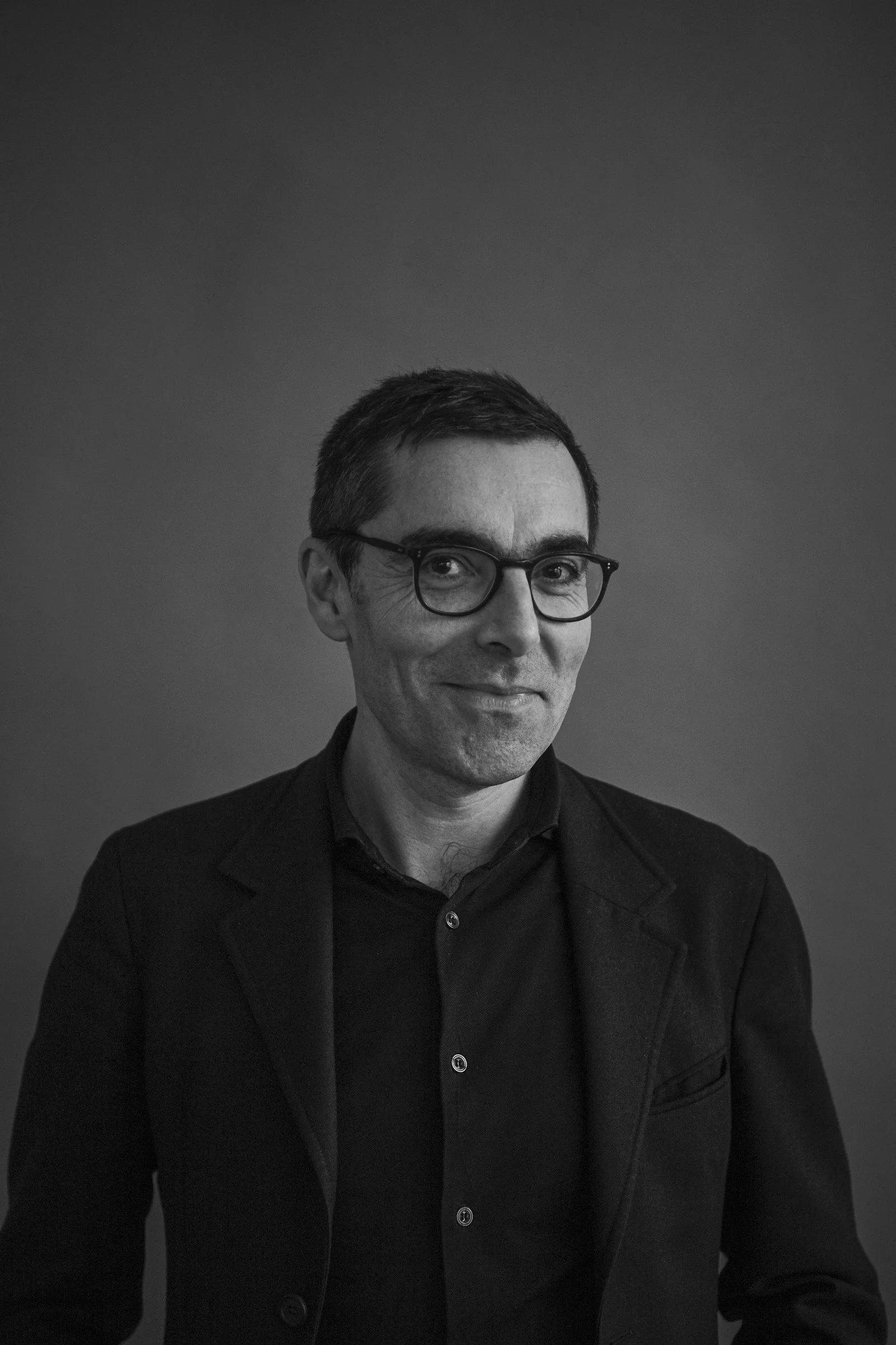
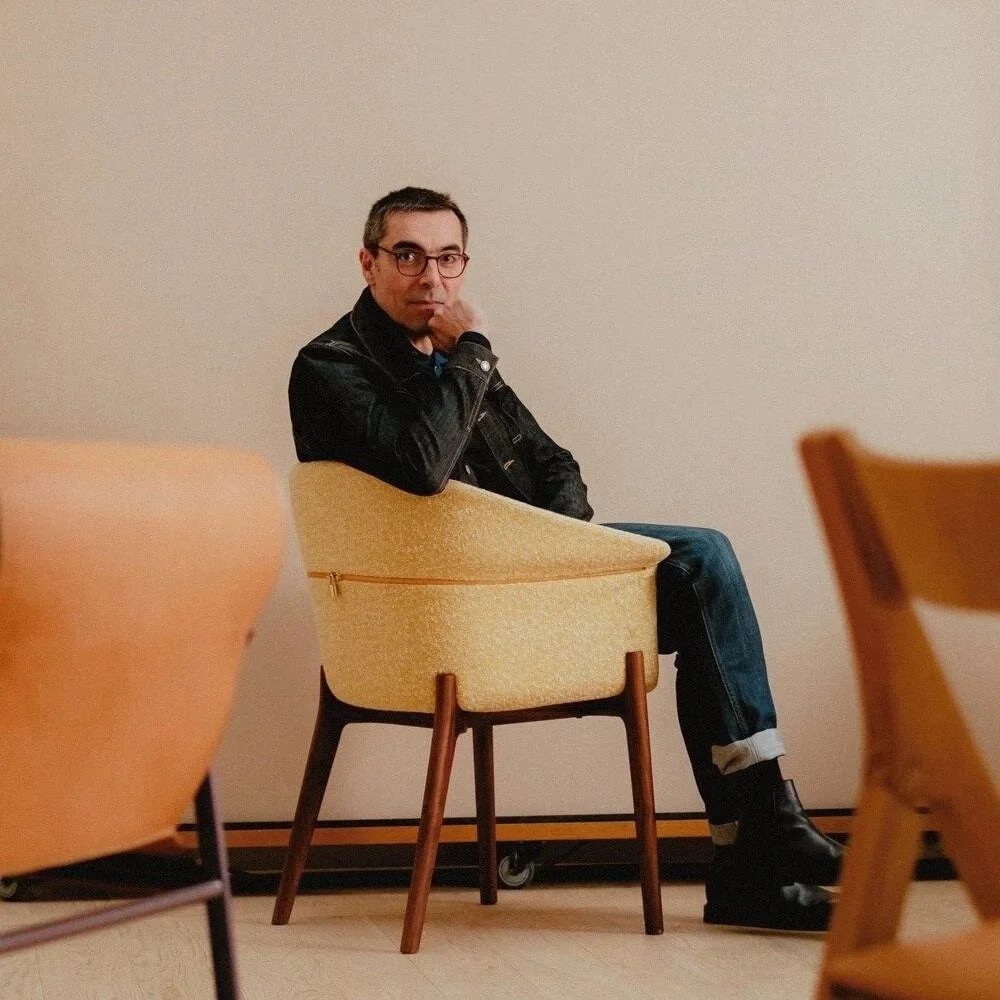
We spoke with Patrick Jouin about the collaboration with Longchamp.
How did you feel when Longchamp first approached you about the collaboration?
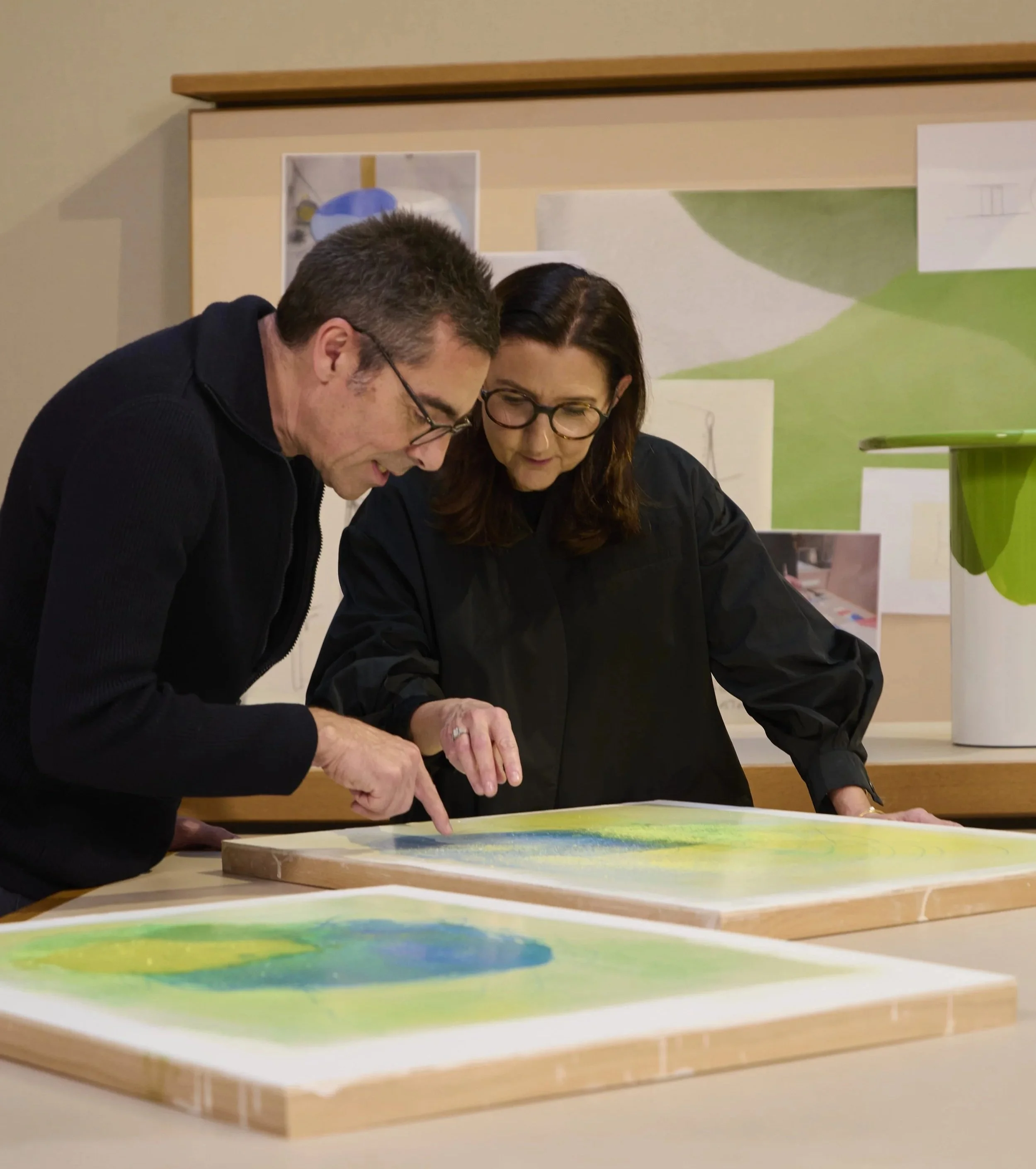
I think, in a way, we have always known each other.
There had been an interest for a long time, and even, at some point, an early idea of working together.
For me, Longchamp has been present since the 1990s. I remember discovering their travel bag, how light it was, how it could be folded. It was so simple, and at the same time so intelligent. That image stayed with me, this idea of an object that accompanies movement, that adapts, that almost disappears when not in use.
More recently, with Patrick Jouin Edition, we began developing our own pieces, directly edited, as a space of freedom within the studio. It was a way to explore materials and savoir faire differently, and to create objects that are precise, thoughtful, sometimes a bit unexpected in the way they function.
When Jean Cassegrain came to us at that moment, the connection was immediate. Not something constructed, but something that was already there. We found ourselves in a shared territory, around material, around craftsmanship, and around a certain idea of objects that are simple in appearance, but carefully considered, and that carry a form of intelligence in their use.
For me, it felt very natural. Almost obvious. And I think this early memory of Longchamp, this idea of something light, foldable, and intuitive, is also what led us quite quickly to develop the lamp in that same spirit.
What was your starting point when designing these pieces, and why did you choose these particular ones from your previous collection to reinterpret?
The starting point was quite simple.
There was a shared attention to material, to colour, and to savoir faire, and also a real sense of joy in that. We first met around DROP, these steel tables with poured enamel.
Quite quickly, our shared interest in leather led us to rethink OLO, a seat built around leather, and to highlight it through a painted edge, and then, once we started working with leather, we could not really stop.
The lamp came quite naturally. A nomadic object, in perforated leather, something you can carry with you. We had in mind this idea of something that can be folded, slipped into a bag, then unfolded. Almost like taking a sheet of leather with you, storing it with its base, and then opening it to create light. It also integrates some of Longchamp’s iconic codes, such as the snap button.
So in the end, it was not about selecting pieces to reinterpret. It was more a continuous movement, one idea leading to another, until the project found its own coherence.
What did you enjoy most about translating Longchamp’s heritage into objects beyond fashion?
What I enjoyed most was discovering how far the spirit of the Maison could go beyond fashion without losing its strength.
With Longchamp, there is this wonderful balance between elegance and use. Even in a very simple, functional moment, a travel bag, something you carry for the weekend, there is always this very French idea that it should also be beautiful, well made, and durable.
Translating that into objects was very stimulating because it was not about applying signs or logos. It was about expressing something more subtle. The relationship to travel, the suppleness of leather, the intelligence of folding, the precision of details, the way an object can be practical and elegant at the same time.
I also liked the fact that this collaboration could exist in Milan, because Milan goes beyond furniture. It is really a cultural moment, where there are no real borders between the different creative worlds. Fashion, objects, space, materials, they all come together. That made it possible to express Longchamp’s heritage in a broader way, through a lamp, through furniture, through the scenography, even through the façade.
What is beautiful in that is that you are not repeating the Maison’s heritage, you are giving it another form. And if it works, it is because the values remain the same. The attention to use, the quality of material, the care in every detail, and a certain idea of elegance that never feels forced.
About Sophie Delafontaine
Sophie Delafontaine, granddaughter of the maison’s founder, guides Longchamp’s creative direction by balancing its heritage with a more contemporary and evolving approach. Always pushing the brand into new territory, she brings a fresh perspective grounded in a belief that product and craftsmanship must always come first.
We also spoke with her to get her take on the collaboration and what it represents for Longchamp today.
Why was Patrick Jouin the right designer for this collaboration? What drew you to working with him?
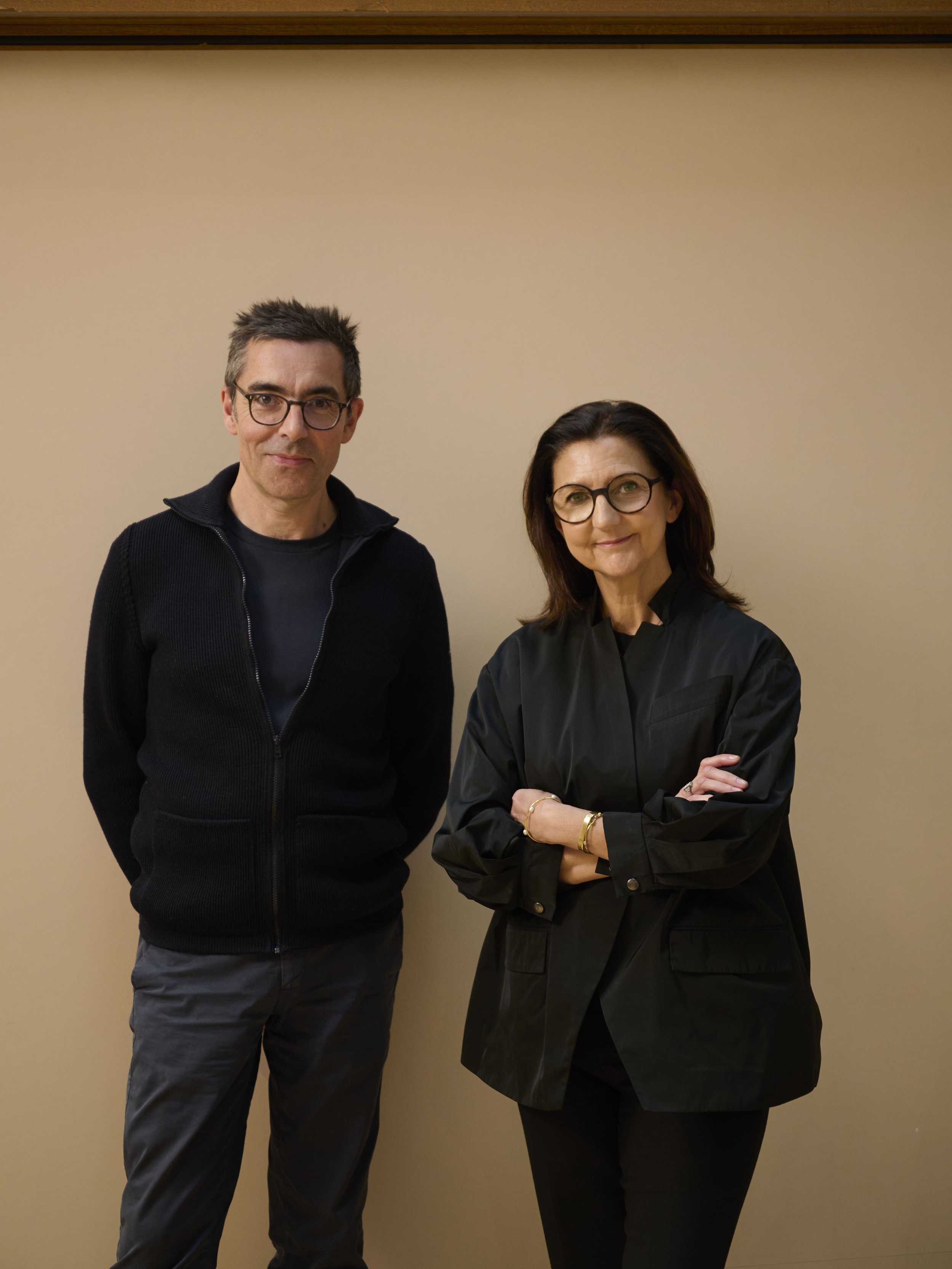
Patrick Jouin and I share a strong community of values.
We have been in contact for a long time, developing a mutual understanding and vision over the years.
This longstanding connection made him a natural choice for this collaboration. I have always admired his ability to seamlessly combine design, engineering, and usability, with a style that is both refined and sensitive. His attention to materials, his eye for detail, and his deeply human approach to design strongly resonate with our House’s values.
We share the same high standards when it comes to the integrity, functionality, and durability of objects.
Both at Patrick Jouin and at Longchamp, there is a common desire to elevate everyday life — to create pieces that stand the test of time while remaining resolutely contemporary. It is also a story of raw materials, precise design, and a constant pursuit of emotion.
Initially, our intention was simply to commission new furniture for our Longchamp boutiques. However, it quickly evolved into a true collaboration, as we realised we shared a common creative vision. In the world of furniture, his approach felt like an obvious fit — and that’s where everything began.
What was your vision for the project, and how did you make sure Longchamp’s identity carried through into furniture?
We wanted to continue our dialogue with contemporary creation within a prominent international context. Milan represents a pivotal moment for the design community. Together with Patrick Jouin, we conceived a presentation that combined an original co-creation developed specifically for Longchamp, crafted in our leather, alongside iconic pieces from his Patrick Jouin Edition catalog, OLO, and DROP collections.
The project took shape gradually through ongoing creative exchanges, material research, and technical development, culminating in the final installation at our flagship store during Milan Design Week.
The process was marked by a fluid and collaborative dialogue: Patrick and his team shared their vision for the forms and lines of the objects, while we brought our expertise in leather, its technical possibilities and aesthetic potential. Each party contributed their own expertise, with a genuine shared commitment to respecting the other’s identity.
What did you enjoy most about working with Patrick?
Patrick Jouin is far more than an inspiring creative mind.
He personifies beauty guided by passion, with an unwavering dedication to objects crafted with care, precision, and integrity. Working with him was a dialogue in motion, a constant exchange of ideas between two perspectives that draw inspiration from everywhere, always in service of aesthetics, functionality, and the purity of lines and forms.
His creative freedom, the fluidity of our collaboration, and the chance to present pieces that embody innovation, craftsmanship, and emotion—all within the dynamic, international setting of Milan—made this project a truly unique experience
Can we expect more collaborations like this in the future?
These collaborations are part of a broader, long-term narrative that we are building over time. Following previous partnerships with talents such as studio högl borowski and Pierre Renart, we aim to inscribe this initiative within a lasting story.
While these projects remain, for now, primarily one-off artistic collaborations, they are an essential part of our ongoing mission to support creativity and craftsmanship in all their forms. We see them as more than singular moments: they contribute to a larger vision, one we intend to continue developing and giving a future to, as part of our Longchamp Family saga.
For us, such collaborations are above all a platform for expression and experimentation — a way to nurture the creativity and artistic sensibility that drive Longchamp, fuelling our inspiration and shaping the ideas that continue to guide every aspect of our creations.
Speaking with Patrick Jouin and Sophie Delafontaine gave a clearer sense of how this collaboration evolved, and how each piece reflects a shared approach to design and craftsmanship. Discover these new pieces during Milan Design Week, starting April 20th.
—
If you enjoyed this article, you should check out more Design Related Articles and more Interviews.