We Tried Microdosing for Five Weeks. Here's What Actually Happened.
Mabel is the Paris-born brand bringing fungi into the mainstream, and why your next wellness ritual might come from underground
—
Before the supplement industry, before morning routines became productivity exercises, there were fungi. Growing underground, revered across cultures, woven into centuries of medicine and ritual, they never went anywhere. We simply stopped paying attention.
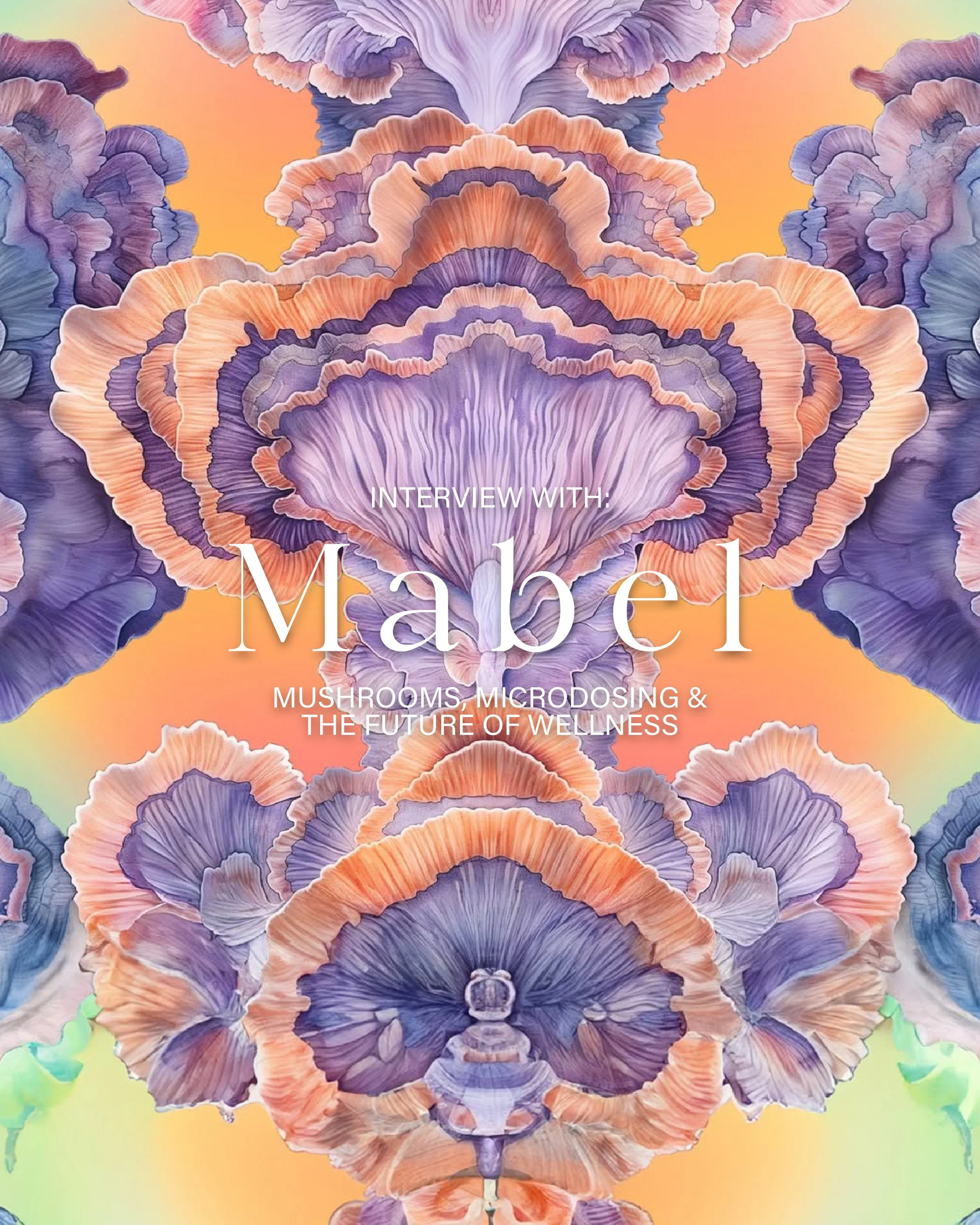
Now, driven by accelerating science and a generation of women exhausted by conventional solutions, mushrooms are back at the centre of the wellness conversation. Enter Mabel, a Paris-born brand translating all of it into something modern, rigorous, and genuinely beautiful.
Meet Mabel
Founded by Danish Pernille Brostrup, Mabel sits at a precise intersection: psychedelic science, functional mushrooms, and women's mental health. Pernille's own story is the brand's origin: a solo mother in Paris, having exhausted every conventional route. Pharmaceuticals, therapy, alternative treatments, nothing moved the needle. Then came the truffles.
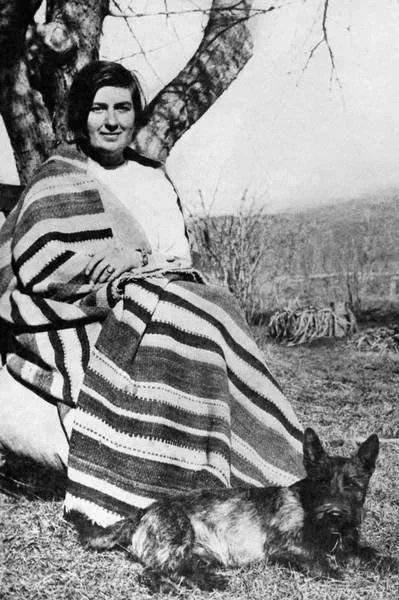
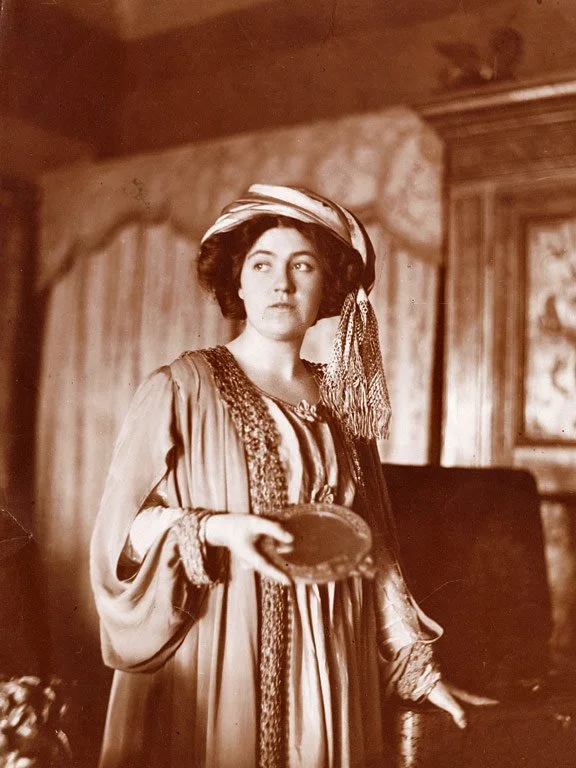
The brand takes its name from Mabel Dodge Luhan, a 19th-century socialite who walked away from everything expected of her to build a life of meaning. The parallel is intentional. An in-house neuroscientist designed the microdosing protocols from the ground up. This is not wellness by aesthetic, the science is built in from the start.
The Products. What Does Mabel Actually Offer?
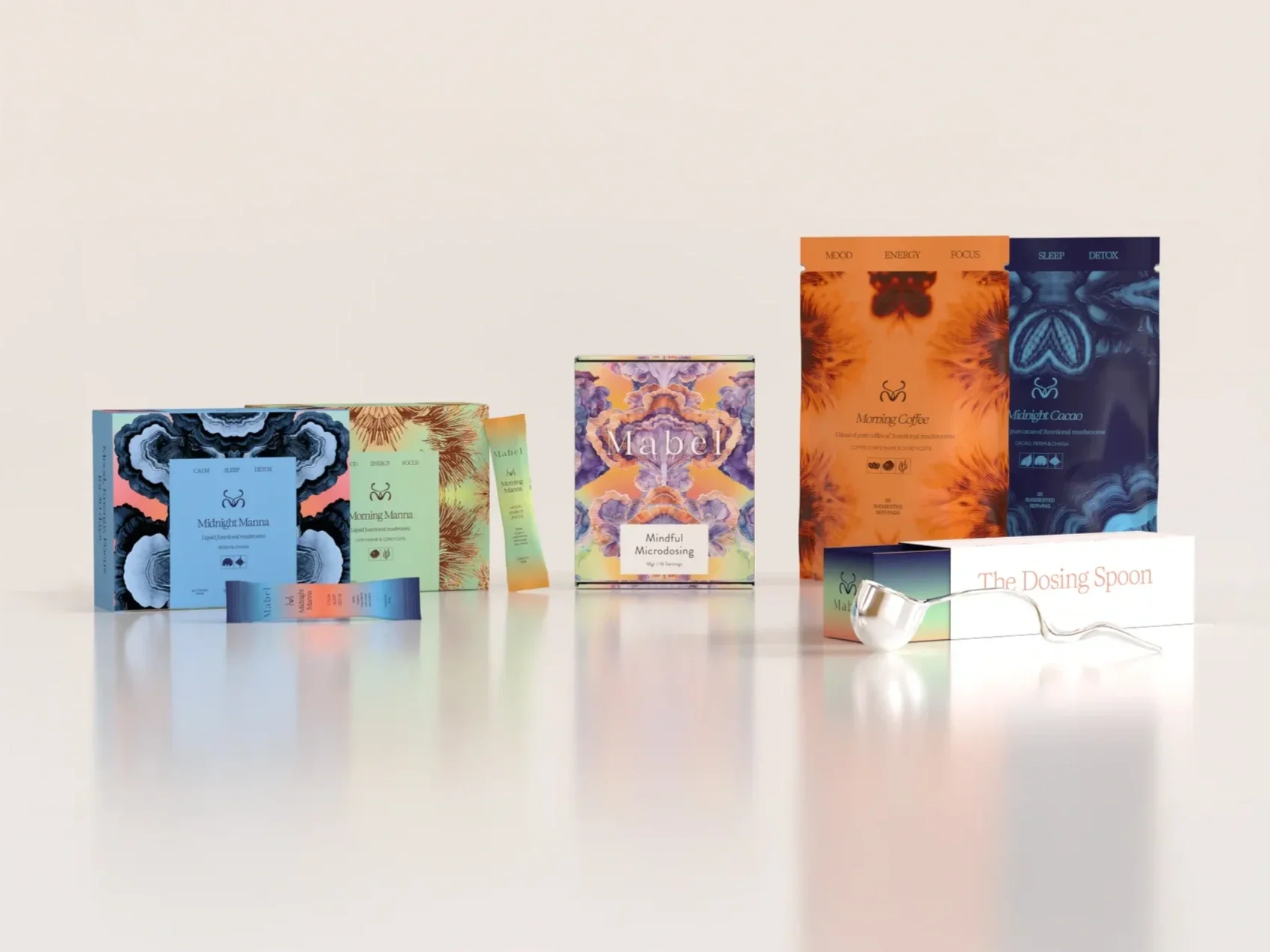
Mabel's range divides into two distinct worlds: psychedelic microdosing and functional mushroom supplements.
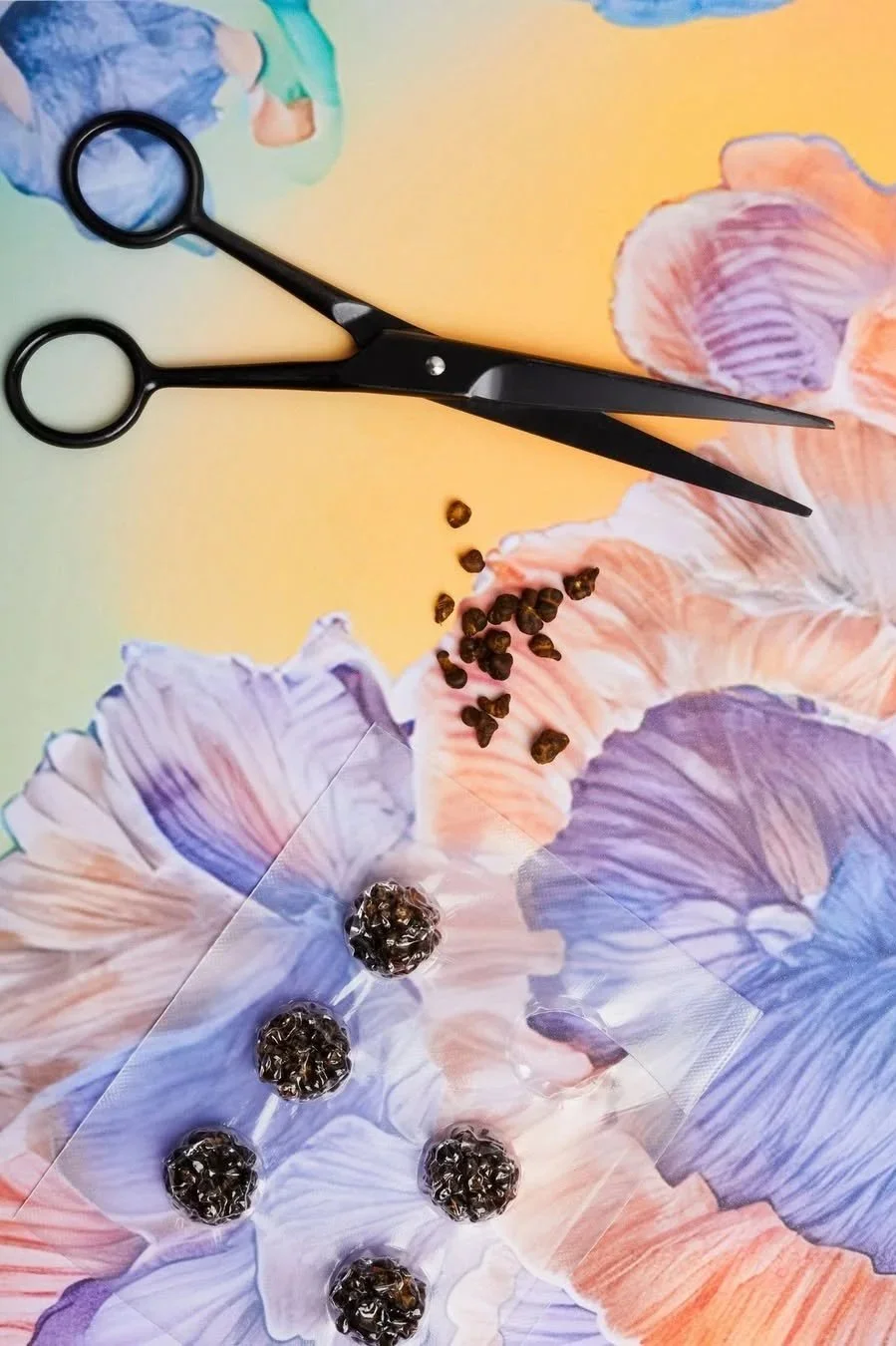
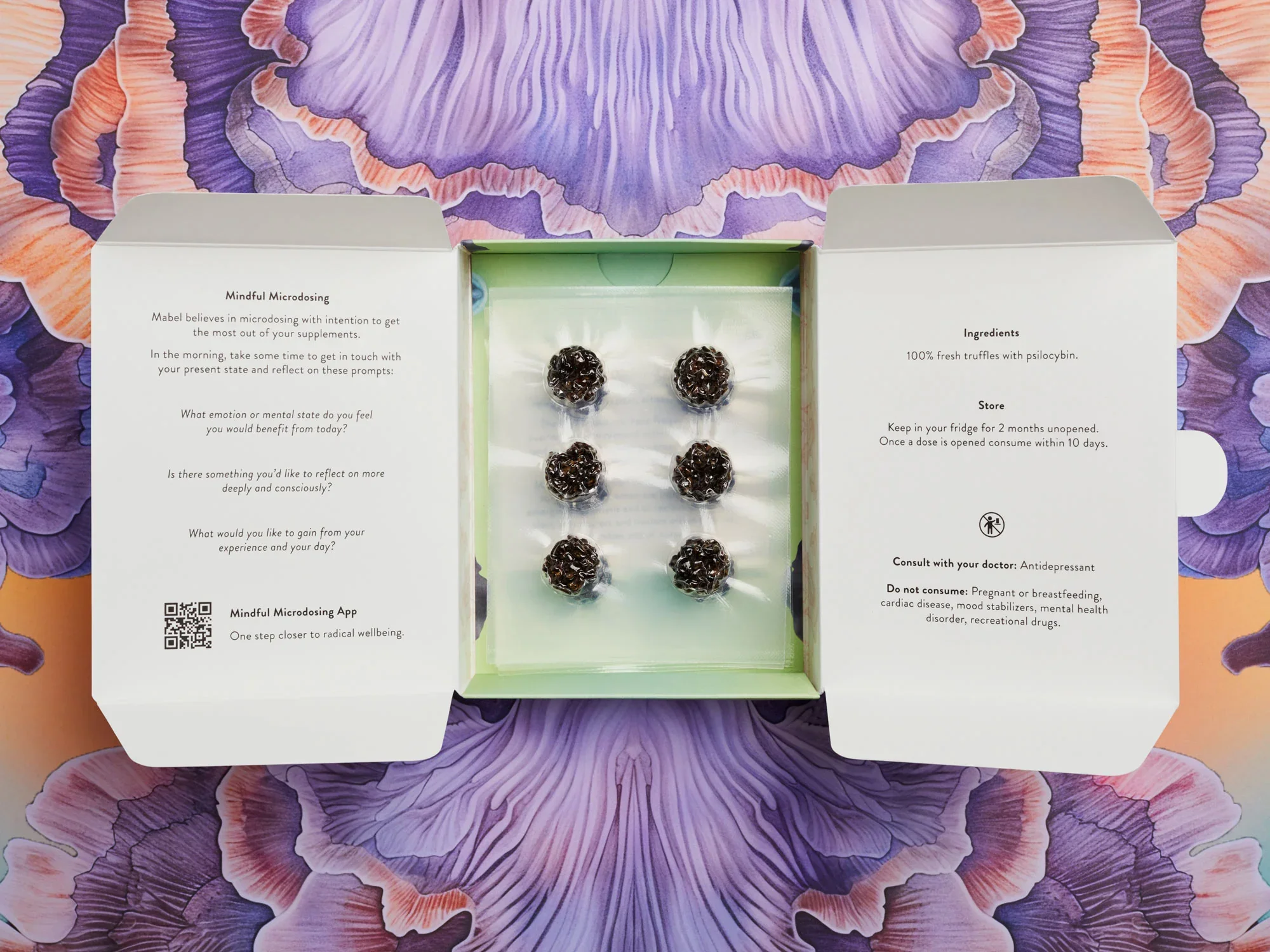
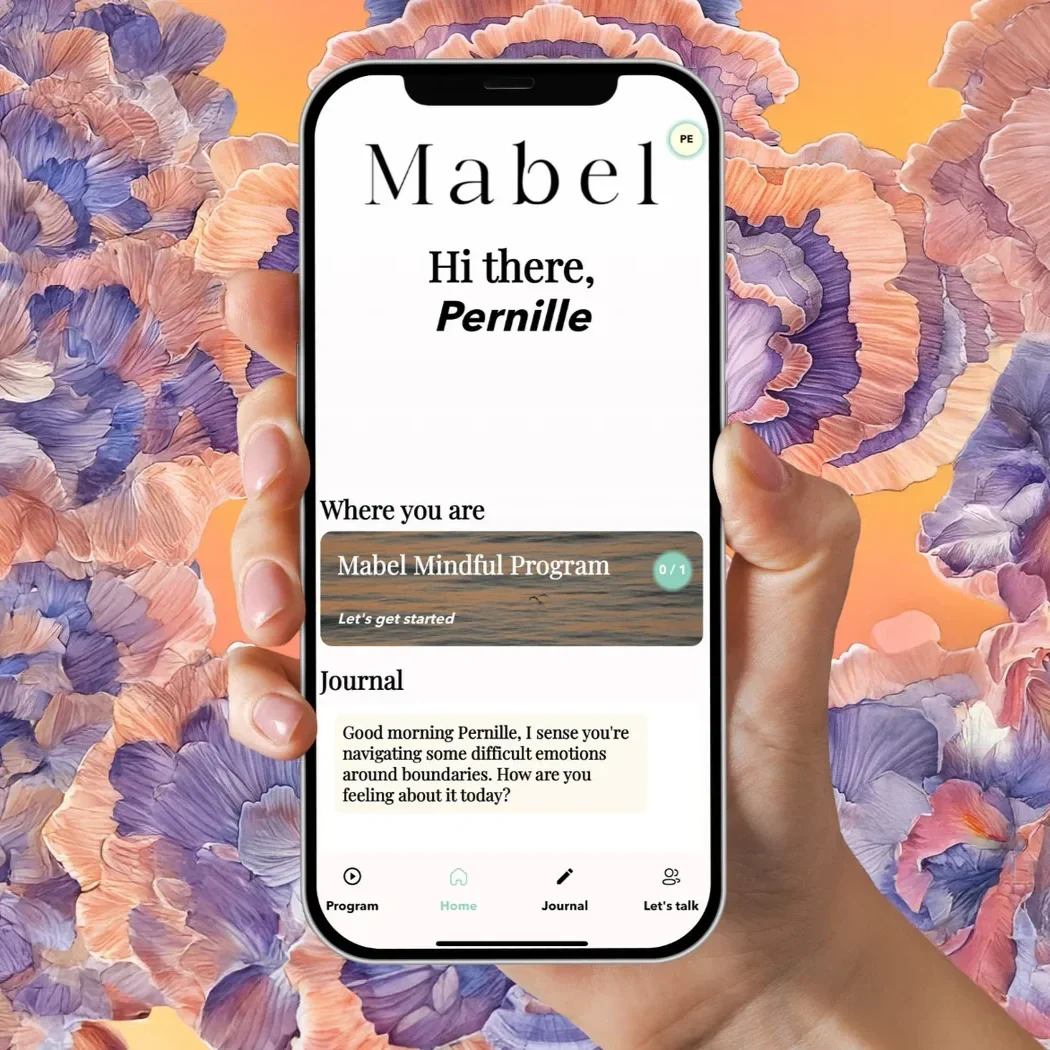
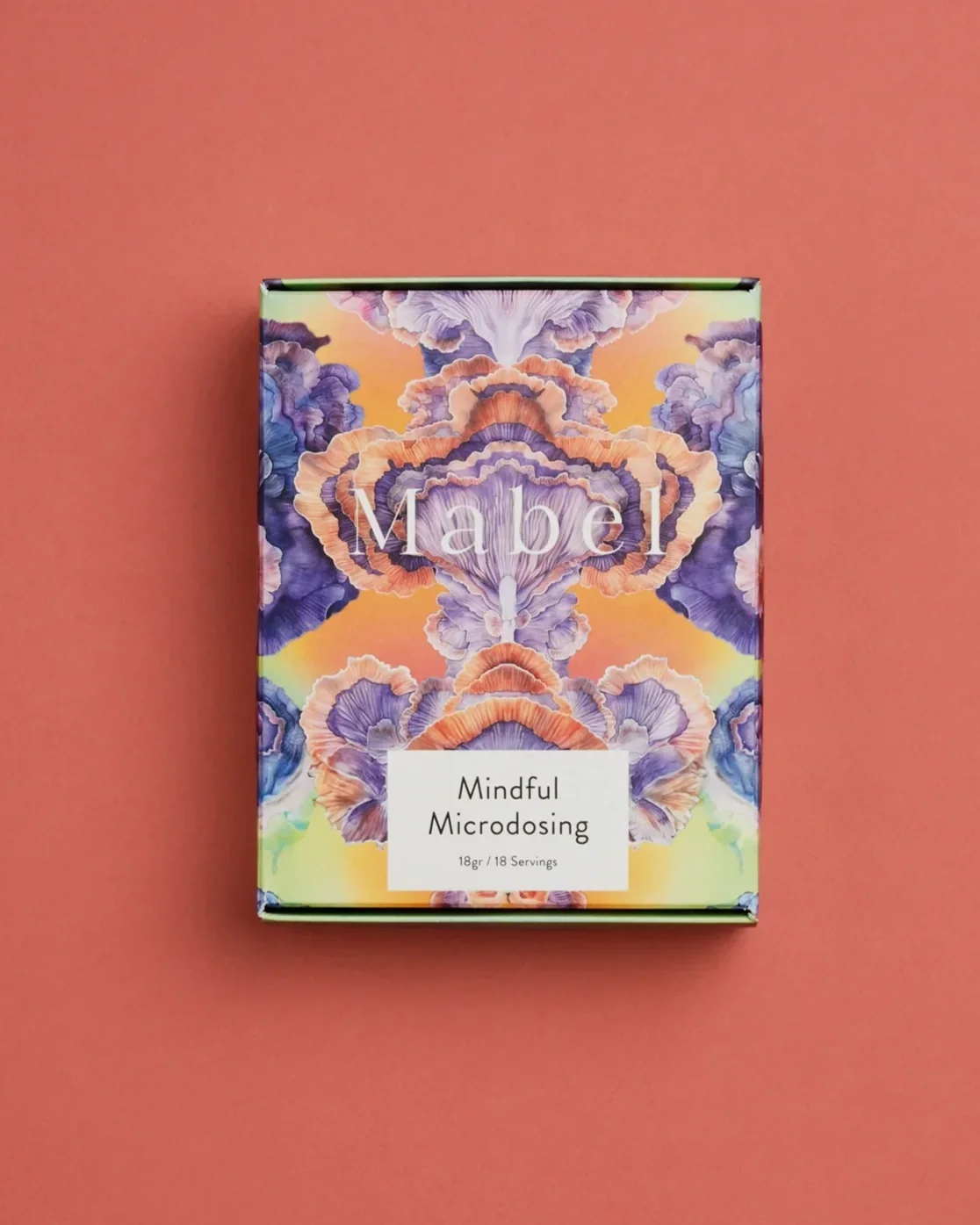
The flagship is the Mindful Microdosing Programme: a five-week supply of psilocybin truffles paired with the Mabel app, which includes mindfulness classes, journal tools, and intention guides developed by a neuroscientist and a leading psychologist. Structured, supported, and designed for beginners.
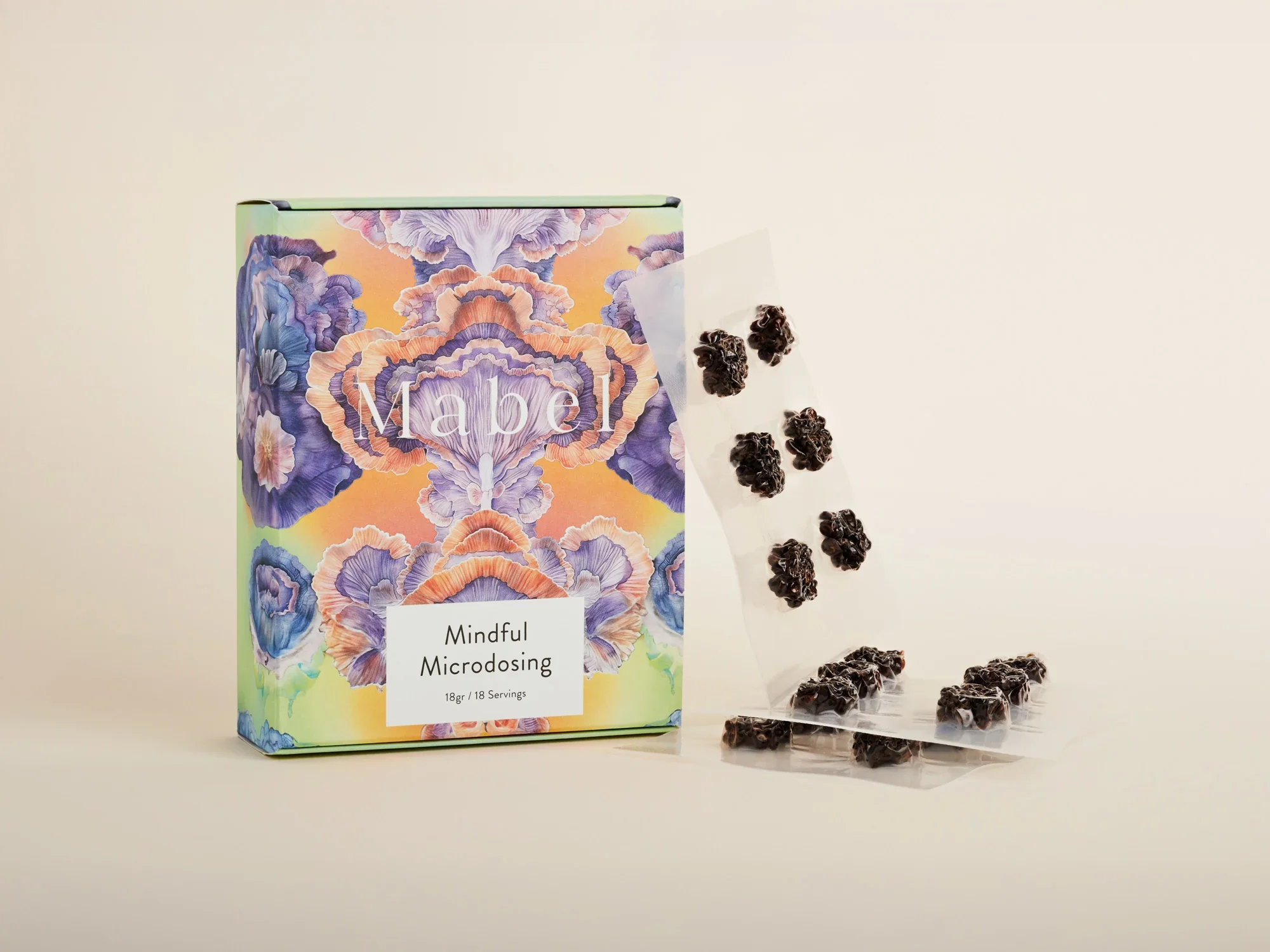
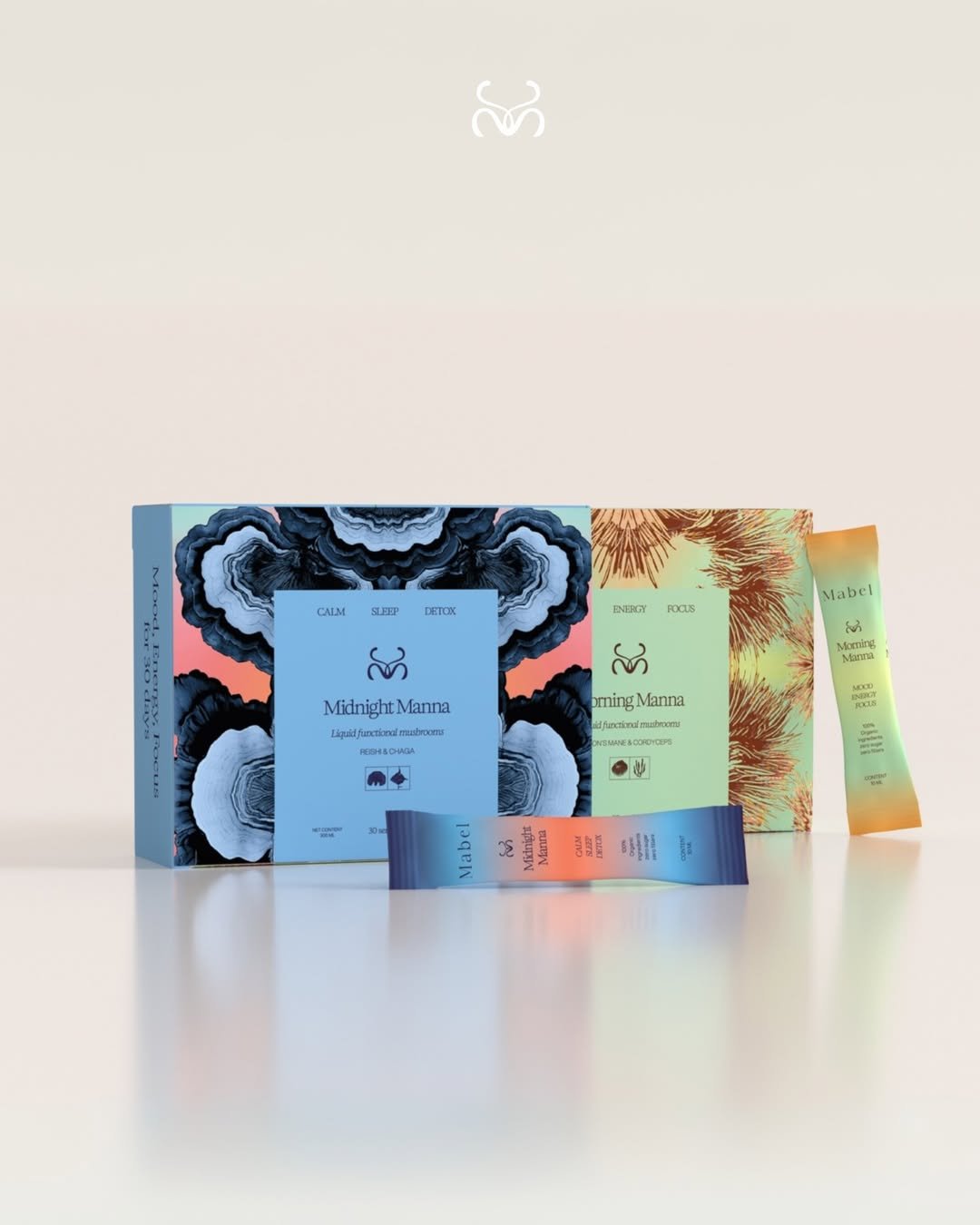
On the functional side, Morning Manna and Midnight Manna, two daily elixirs. Think adaptogenic drinks designed to replace your morning coffee or evening wind-down ritual.
Dual-extracted, organic, made in Europe, and genuinely good to drink.

What Is Microdosing, Really?
Microdosing is the practice of taking small amounts of a psychoactive substance, small enough that you are not hallucinating, not tripping, not impaired in any visible way. Small enough that the world simply begins, over time, to feel a little lighter.
What is actually happening is neurological. Psilocybin interacts with serotonin receptors linked to neuroplasticity, the brain's ability to form new connections and release old patterns. At microdose levels, this unfolds slowly, gently, over weeks.
Mushrooms 101. A Closer Look at the Kingdom
Not all mushrooms are the same. Mabel works with five distinct species, each chosen for a specific purpose.
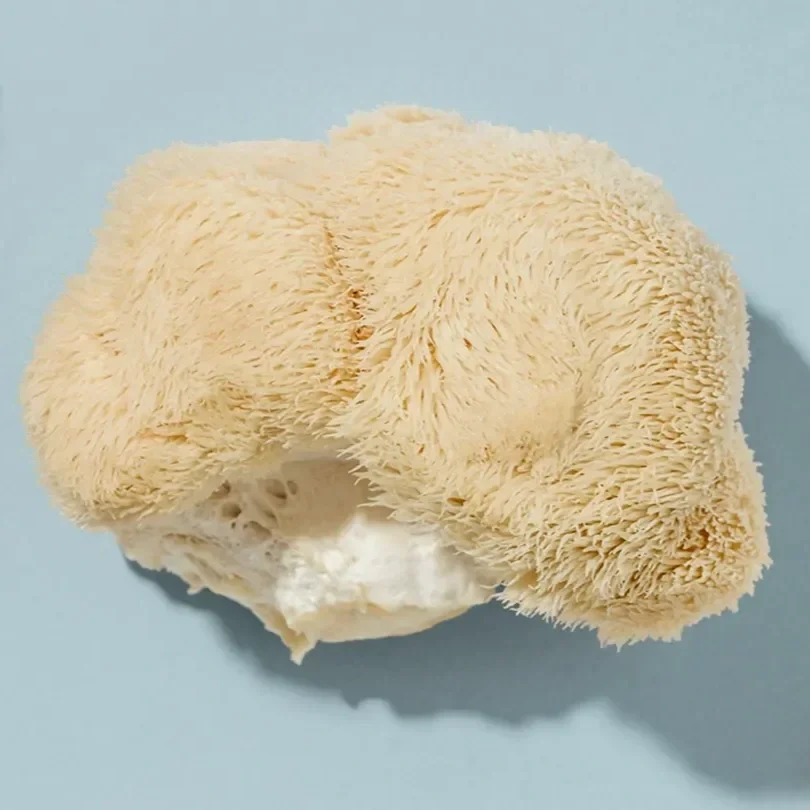
Lion's Mane: the brain mushroom.
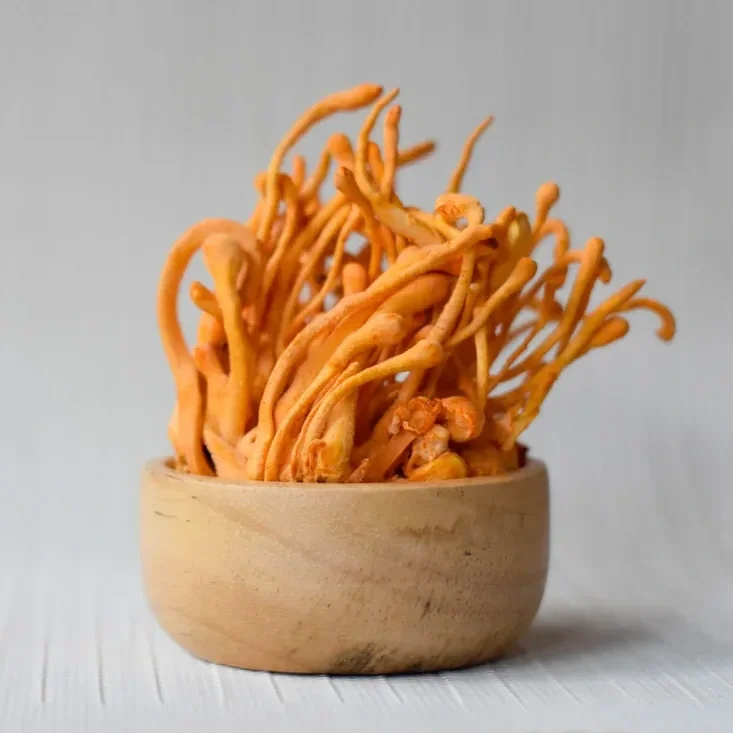
Cordyceps: the energy mushroom.
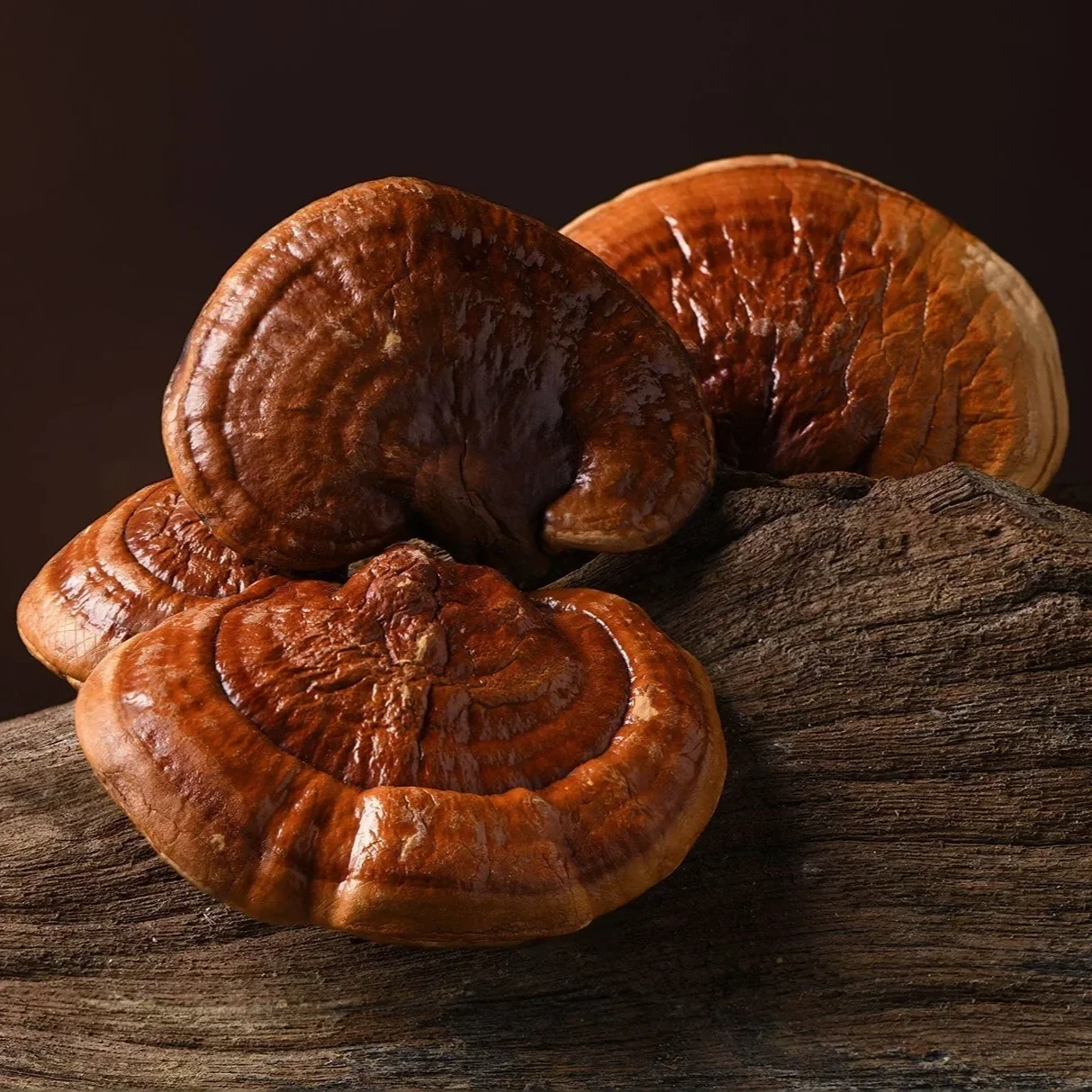
Reishi: the calm mushroom.
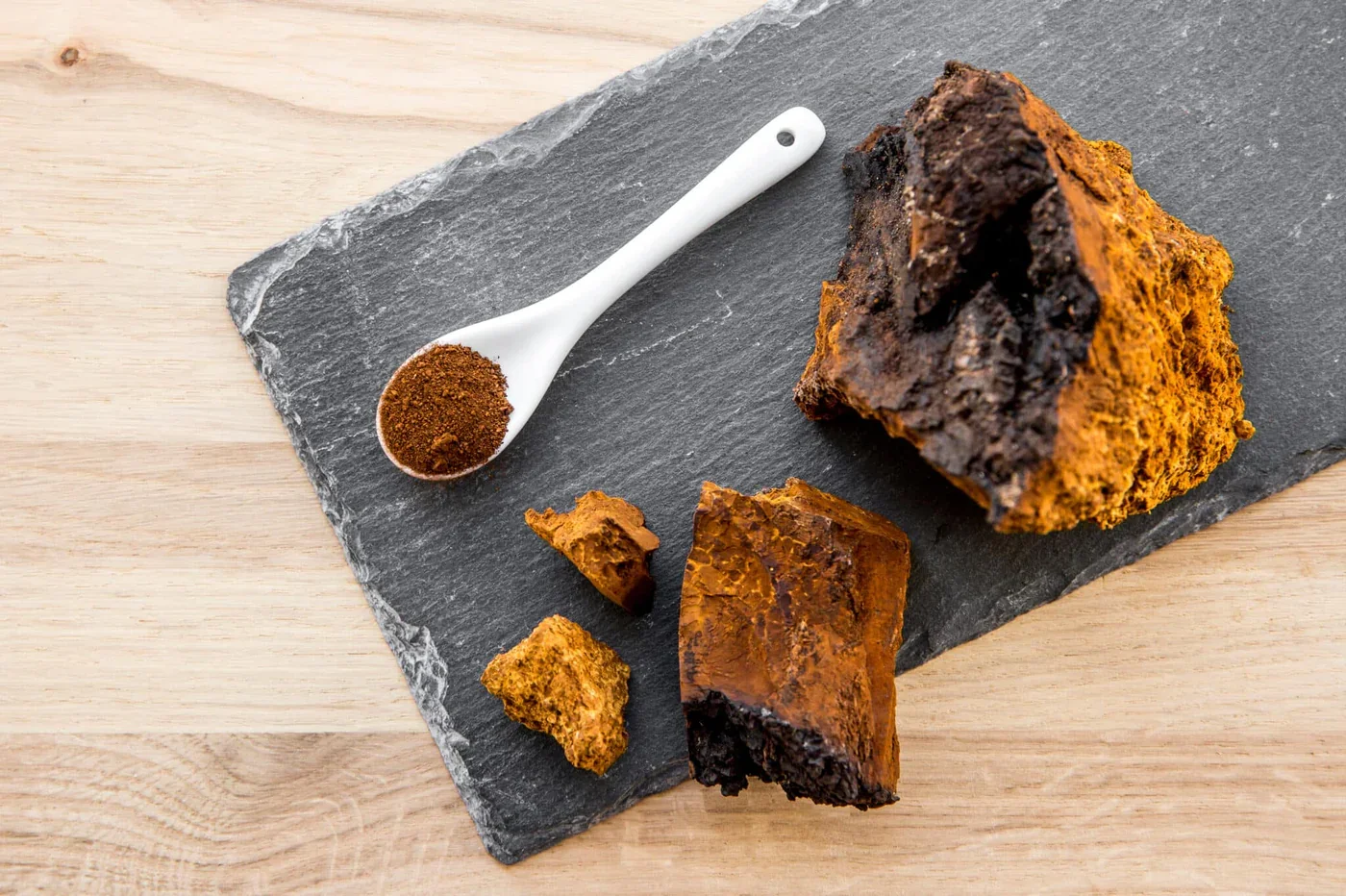
Chaga: the antioxidant mushroom.
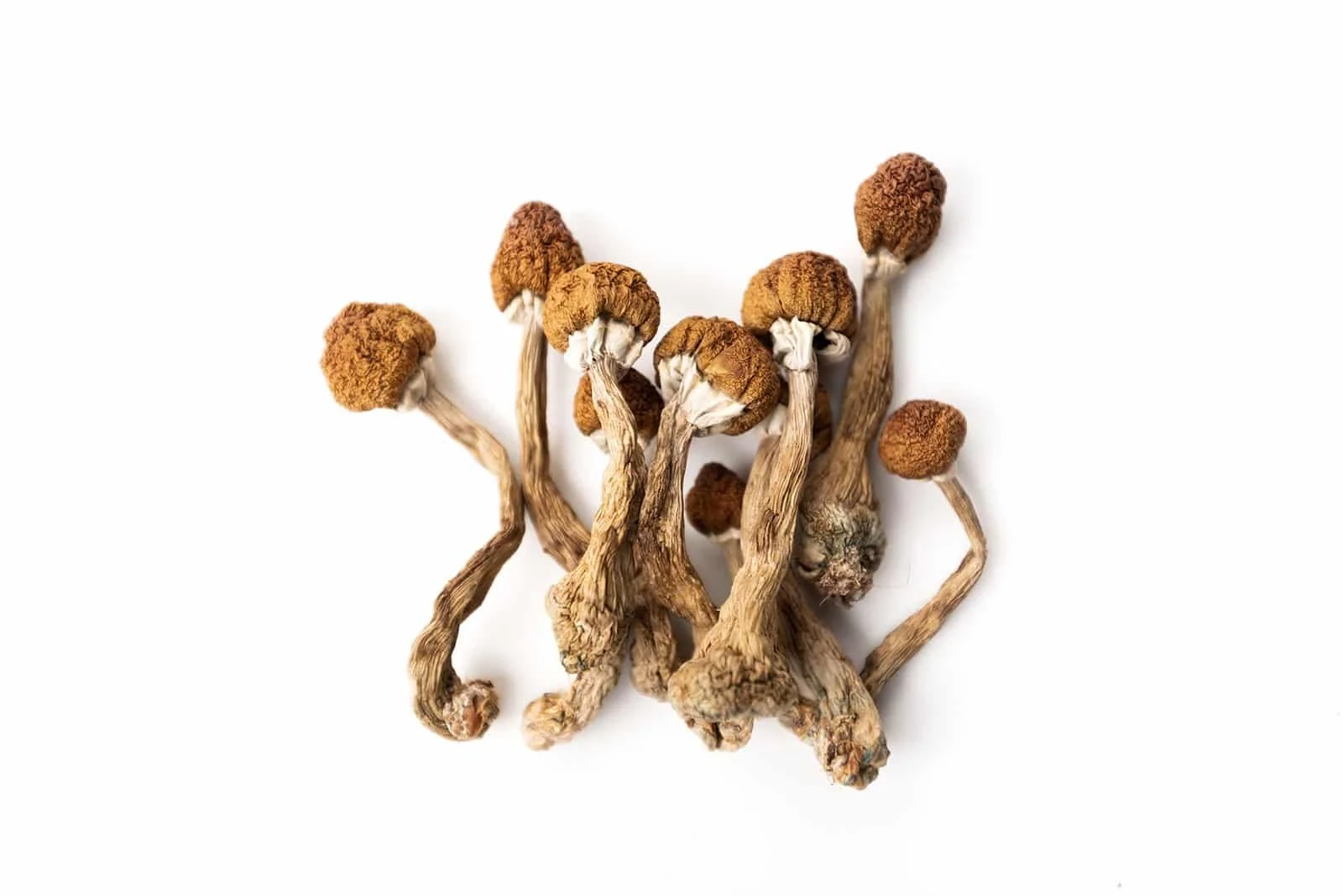
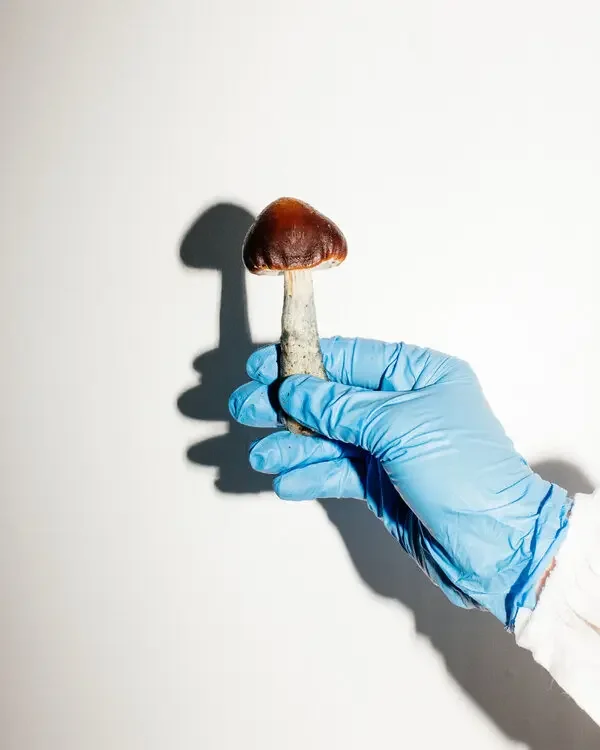
Psilocybin Truffles: the transformation mushroom.
The Interview: Inside Mabel with Pernille Brostrup
The Origin
You found Mabel Dodge Luhan's autobiography by chance, walking along the Seine. What stopped you, and how did a 19th-century socialite become the soul of your brand?
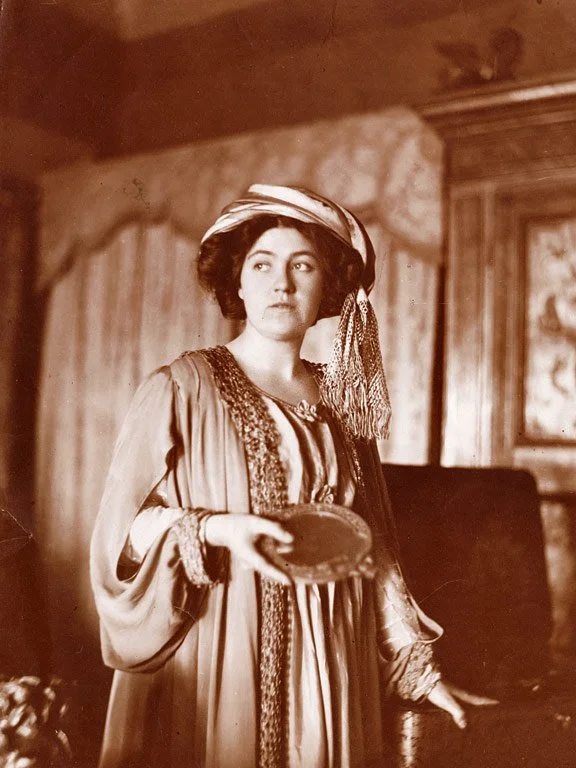
Mabel evoked a very special sense of rebellion in me.
She didn't just carve her own path; she rebelled. She was one of the first women documenting her experience with Peyote, a psychedelic compound from the cactus, and she married a Native American man from New Mexico. She did not conform to rules or expectations. She questioned things, and she searched for a life of authenticity.
I think so many of us, at one point or another in our lives, realise that we might not have been honouring who we truly are deep down, and it isn't an easy task. By the time most people realise this discrepancy, they are already settled in life with responsibilities, which makes transformation harder to implement.
What finally made you reach for fungi, and when did you know something had genuinely changed?
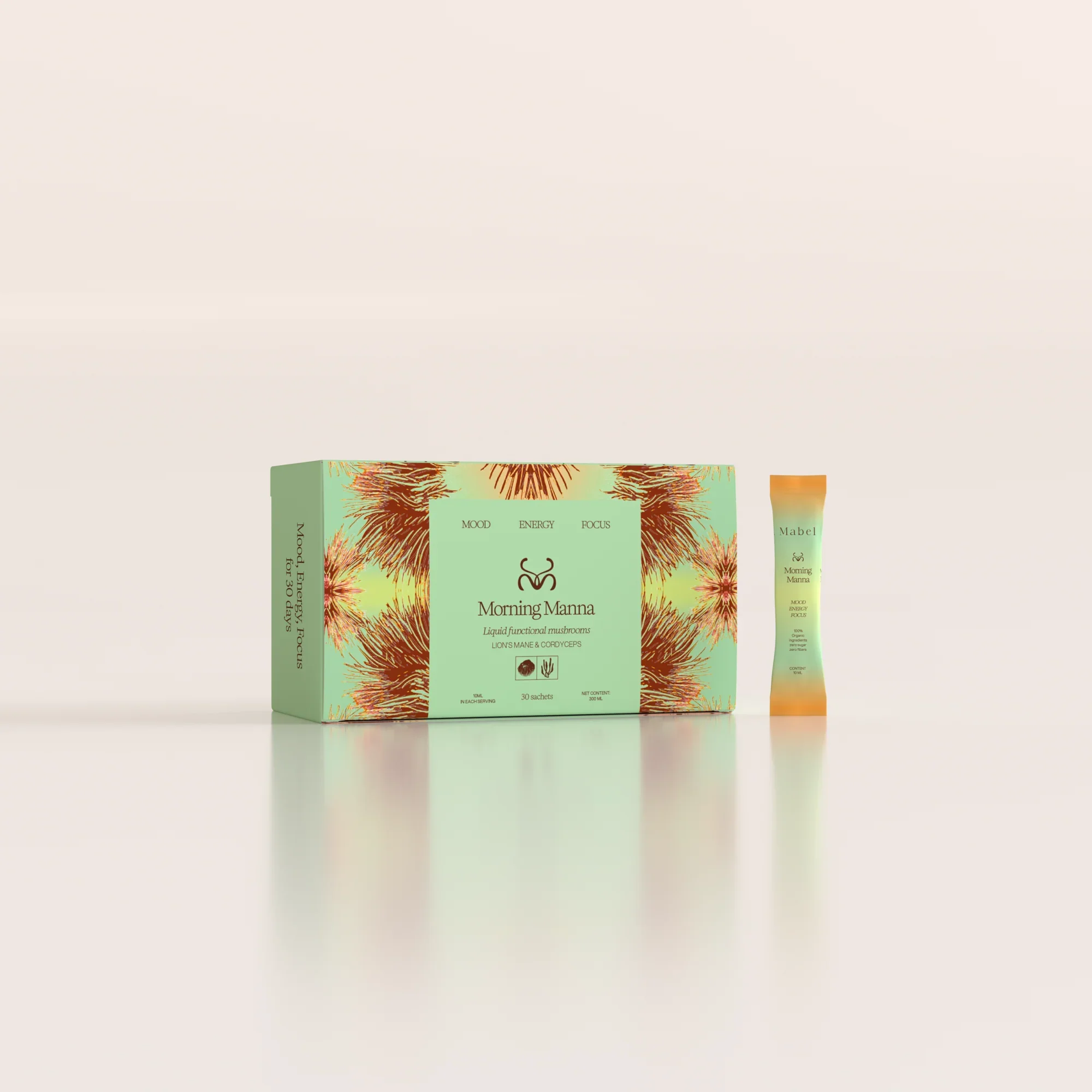
First, I developed our functional line, because I was so disappointed with all the products I had ordered.
For me, the first noticeable change was in my concentration, thanks to our Morning Manna. It took me a year to develop it with a Finnish biotech, but the effects were quite fast, and within a few weeks my ADHD brain found a lot of rest.
The Mushrooms
Most people arrive here knowing very little about fungi. Walk us through the mushrooms Mabel works with, what each one is, what it does, and why you chose it.
I'll start with Morning Manna, our daily, non-psychedelic product. It contains two mushrooms, Lion's Mane and Cordyceps, and it's the foundation of everything else we do. Choosing them took about a year of studying fungi, followed by another year of R&D.
I chose these two because I needed them myself. I was mentally exhausted, anxious, low, unfocused, and completely out of energy, the whole cocktail. I wanted to build something that directly targeted what I was experiencing.
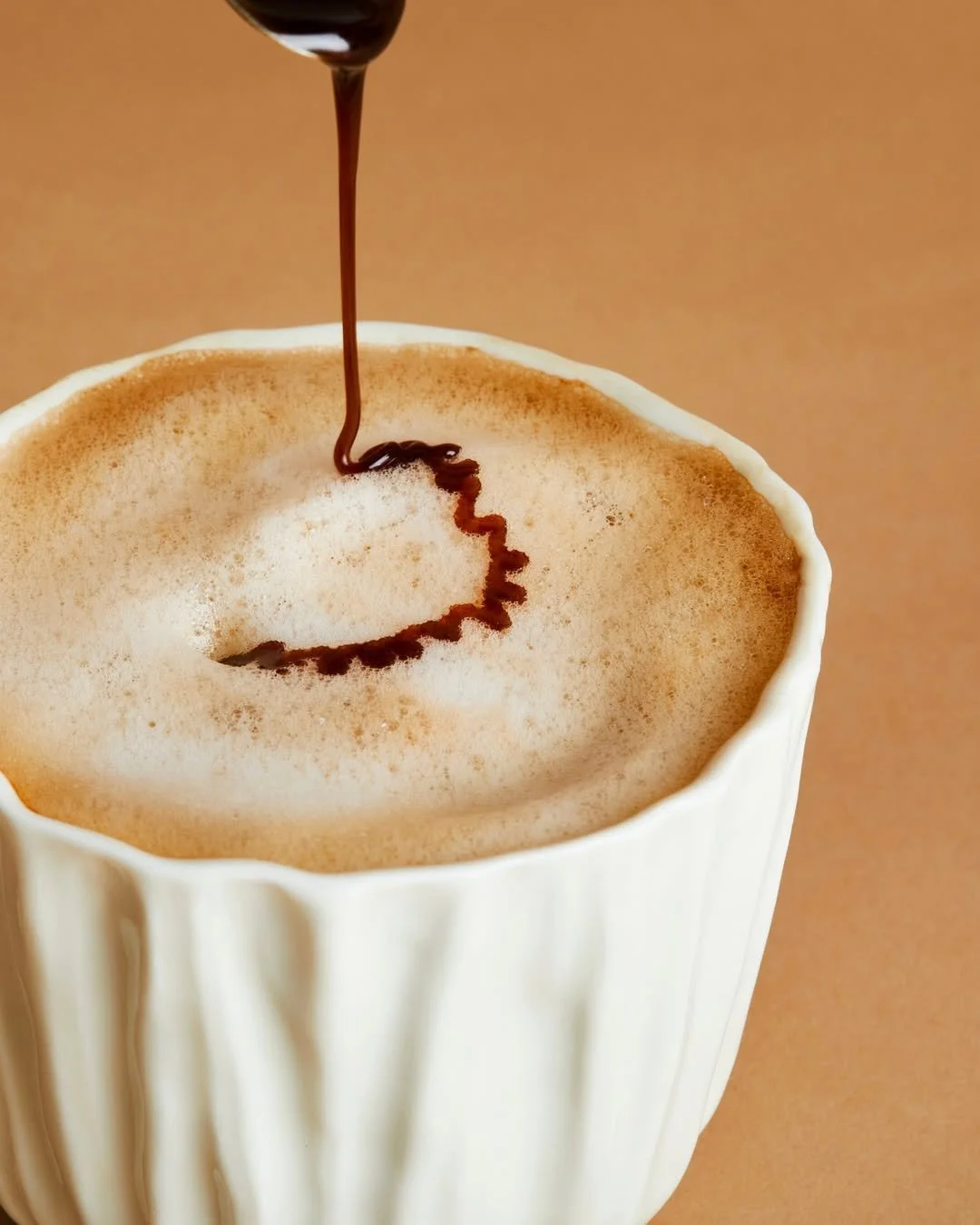
Lion's Mane is the brain mushroom.
It feeds nerve growth factor (NGF), the protein that keeps your neurons healthy and supports the myelin sheath, the protective layer around your nerves, giving you sharper focus and a real lift in mood.
It also contains prebiotics and probiotics that strengthen the gut, which is where our mood is actually regulated, and it's genuinely anti-inflammatory in the brain itself. A clinical trial in menopausal women showed it reduces depression and anxiety, which makes it especially relevant for women going through any kind of hormonal transition.
Cordyceps works on oxygen utilisation and ATP, the energy currency of your cells. It gives you stamina and energy, supporting your adrenals after years of running on stress. It's also a powerful anti-inflammatory.
We know inflammation is at the root of most modern disease, and of ageing itself. So calming inflammation, in the brain and body, is doing real long-term work.
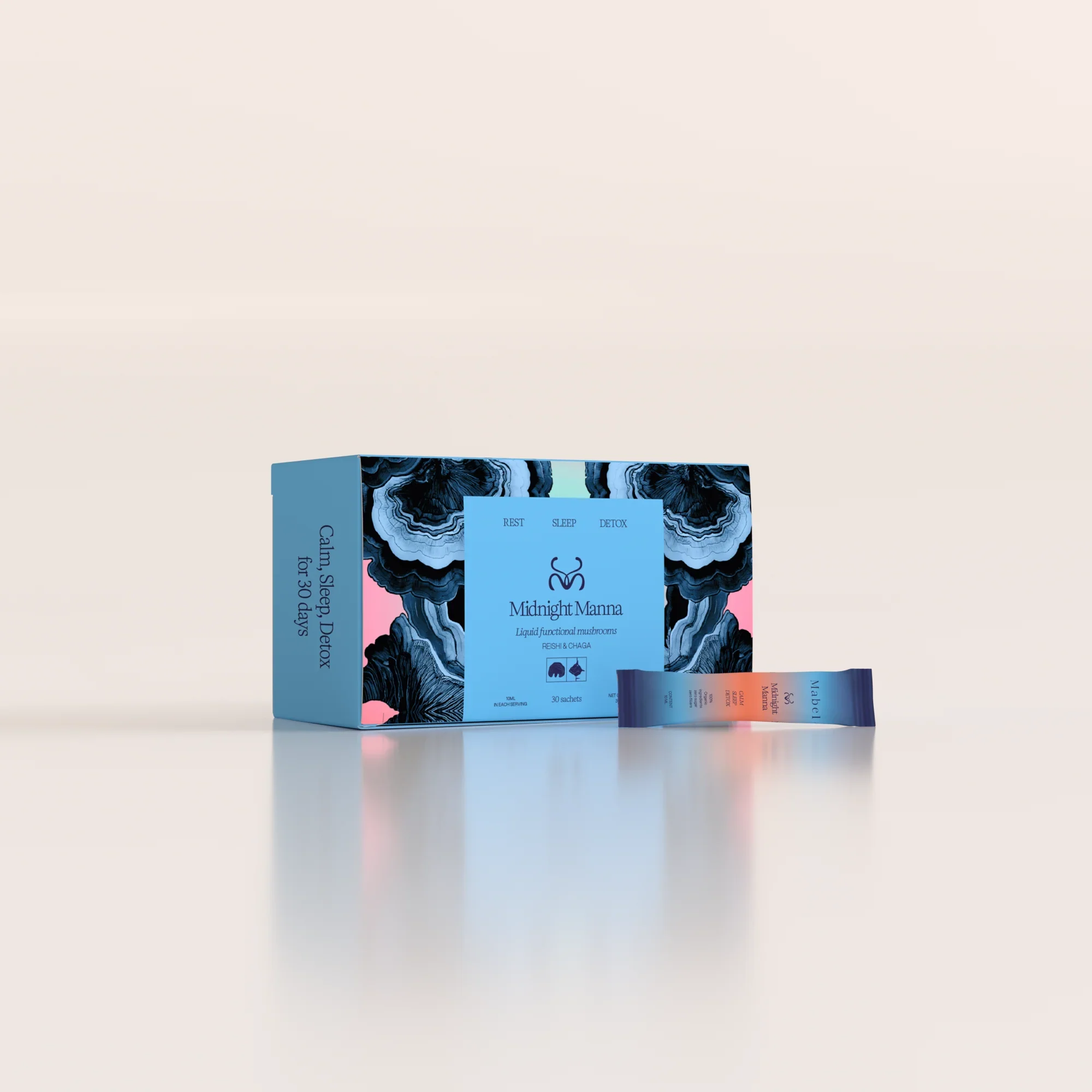
Midnight Manna is the evening counterpart.
Two mushrooms again, but built for the other half of your day: Reishi and Chaga.
I created this because my mind would not stop. I'd lie in bed with my head running at full speed even though the rest of me was depleted. Classic insomnia, the kind where your body is begging for sleep and your brain refuses to comply.
Reishi is the sleep mushroom. The Chinese have called it the mushroom of immortality for thousands of years. The mechanism is interesting because it doesn't work like a sleeping pill. It works on the GABA system, your brain's natural brake pedal, while also lowering cortisol, the stress hormone that keeps you wired when you should be winding down. So instead of knocking you out, it takes the foot off the accelerator, and your body remembers how to fall asleep on its own.
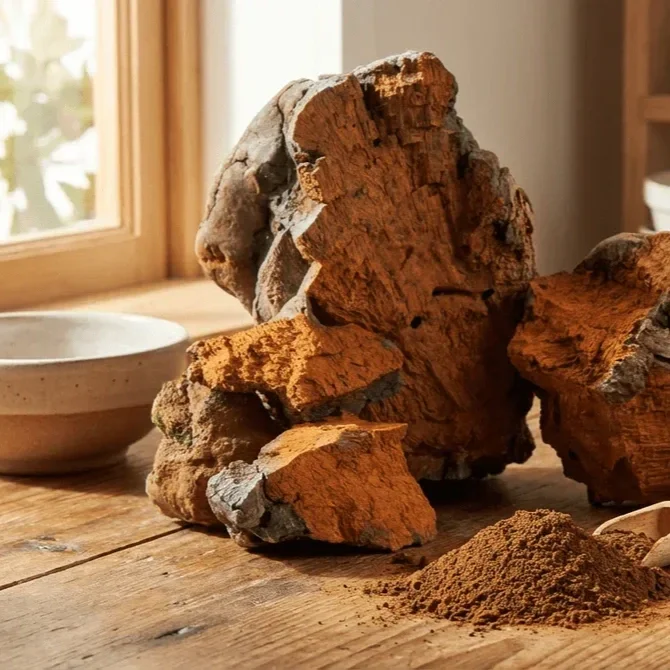
Chaga is the longevity mushroom, one of the most antioxidant-rich foods on the planet.
While you sleep, it's doing cellular cleanup, calming inflammation, and supporting your body's overnight repair.
Sleep isn't just about feeling less tired. It's when your body actually rebuilds itself. If that's not happening, nothing else you're doing for your health really lands.
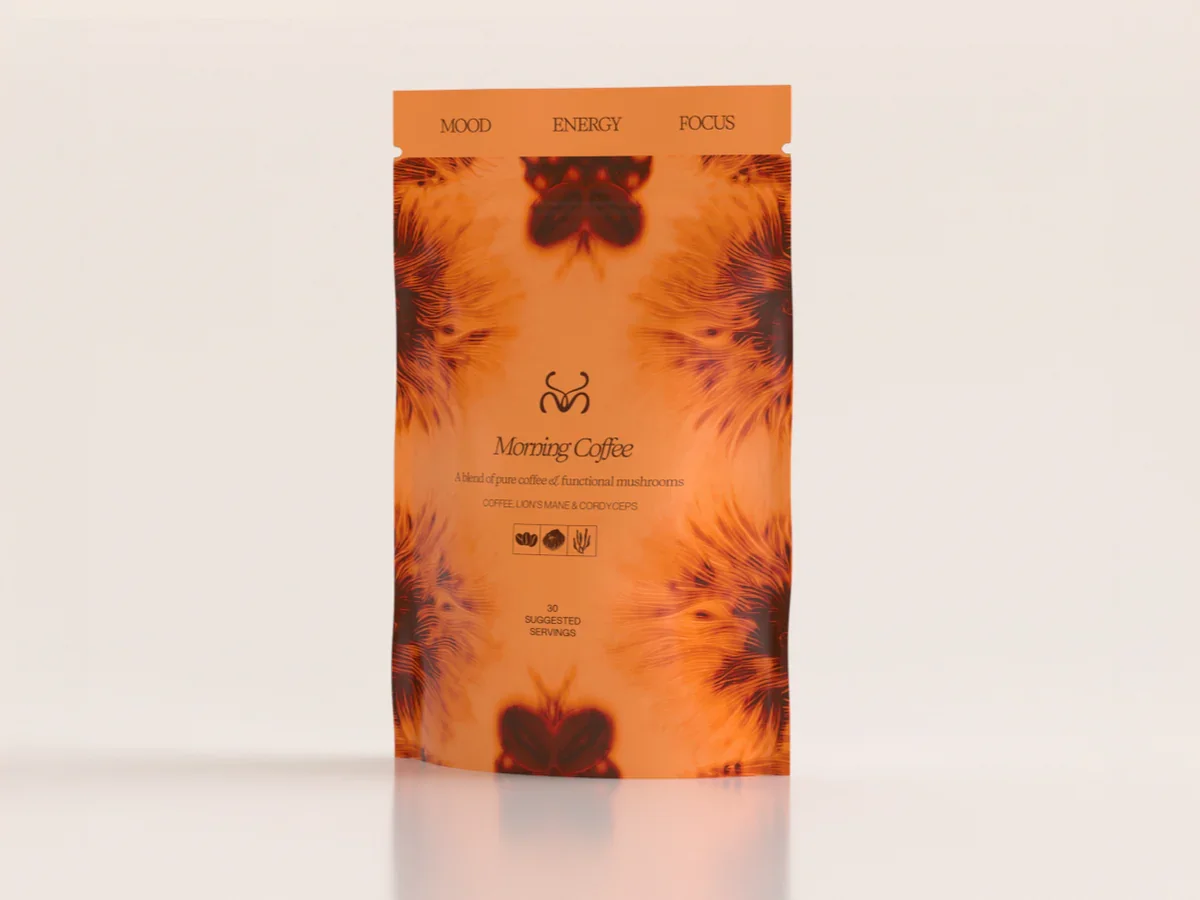
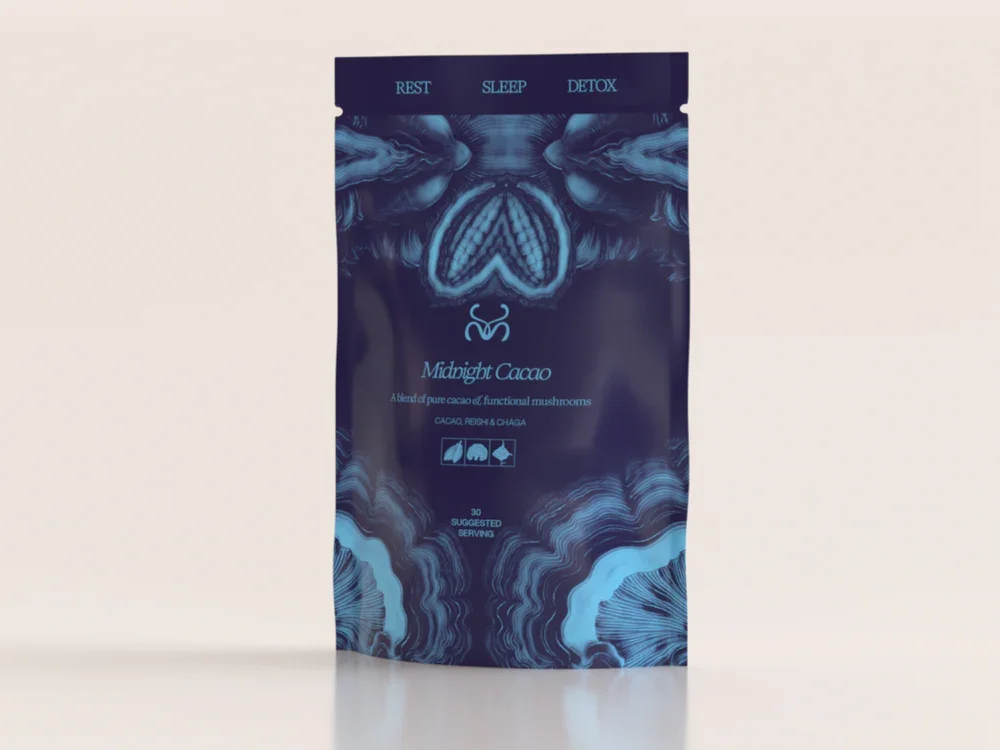
We also have two more products built around these same mushrooms, more as daily rituals. Morning Coffee blends Lion's Mane and Cordyceps into organic Arabica, for people who want to keep their coffee but elevate what it does for them. Midnight Cacao, the evening counterpart, is organic cacao with Reishi and Chaga, helping you slow down and signalling to the body that it's safe to rest.
So you have the concentrated formulas in Morning and Midnight Manna, and the rituals built around them in the Coffee and the Cacao.
What is the difference between functional mushrooms and psilocybin truffles?
Functional mushrooms are adaptogenic mushrooms with benefits beyond their nutritional value. The truffles we use in our microdosing range contain a psychoactive compound called psilocybin, which has the potential to alter perception, mood, thoughts and feelings. Two very different mechanisms, but they work beautifully together.
Where do your mushrooms come from, and how do you think about quality and sourcing?
This is very important for us.
When I researched and studied this for two years, I built comparison charts, and frankly, I was pissed off to see so many brands cutting corners.
Here are a few things we don't compromise on:
Organic, or wild harvested under controlled government restrictions that protect the population, especially of wild Chaga.
Fruiting bodies only, the above-ground mushroom, the part you actually see. Many brands use mycelium instead, which is much cheaper and illegal to use in production in Europe, yet I see it in half the brands sold.
Dose that actually matches the clinical findings. Capsules will never get you enough of the beta-glucans, where the active compounds are.
Produced only in Europe.
We're a bit more expensive, and there's a reason.
Microdosing 101
For someone who has never heard the word microdosing, what is it, in plain terms? What is actually happening in the body and mind?
Microdosing means taking a very small amount of psilocybin, around a tenth of what you'd take for a full psychedelic experience.
You don't trip. You don't see colours, you don't have visions. You go about your day completely normally: work, school run, dinner with friends. Nothing looks different from the outside.
What's happening inside, though, is very powerful. Psilocybin works on the part of the brain called the default mode network, which is basically the voice in your head: the constant narration, the replaying of conversations, the planning, the worrying, the self-criticism. For most of us, that voice runs at full volume all day, and it's exhausting.
What microdosing does is turn the volume down on that voice.
Not off. Just down. So you're still you, but with a little more space between you and your thoughts. And in that space, things start to shift. You're less reactive. Less anxious. You can choose your response instead of being run by your patterns. You start sleeping better, focusing better, feeling more like yourself.
It's not a high. It's not an escape. If anything, it's the opposite. It's the thing that finally lets you actually be present in your own life.
How do you take it, how often, and what does a typical protocol look like week to week?
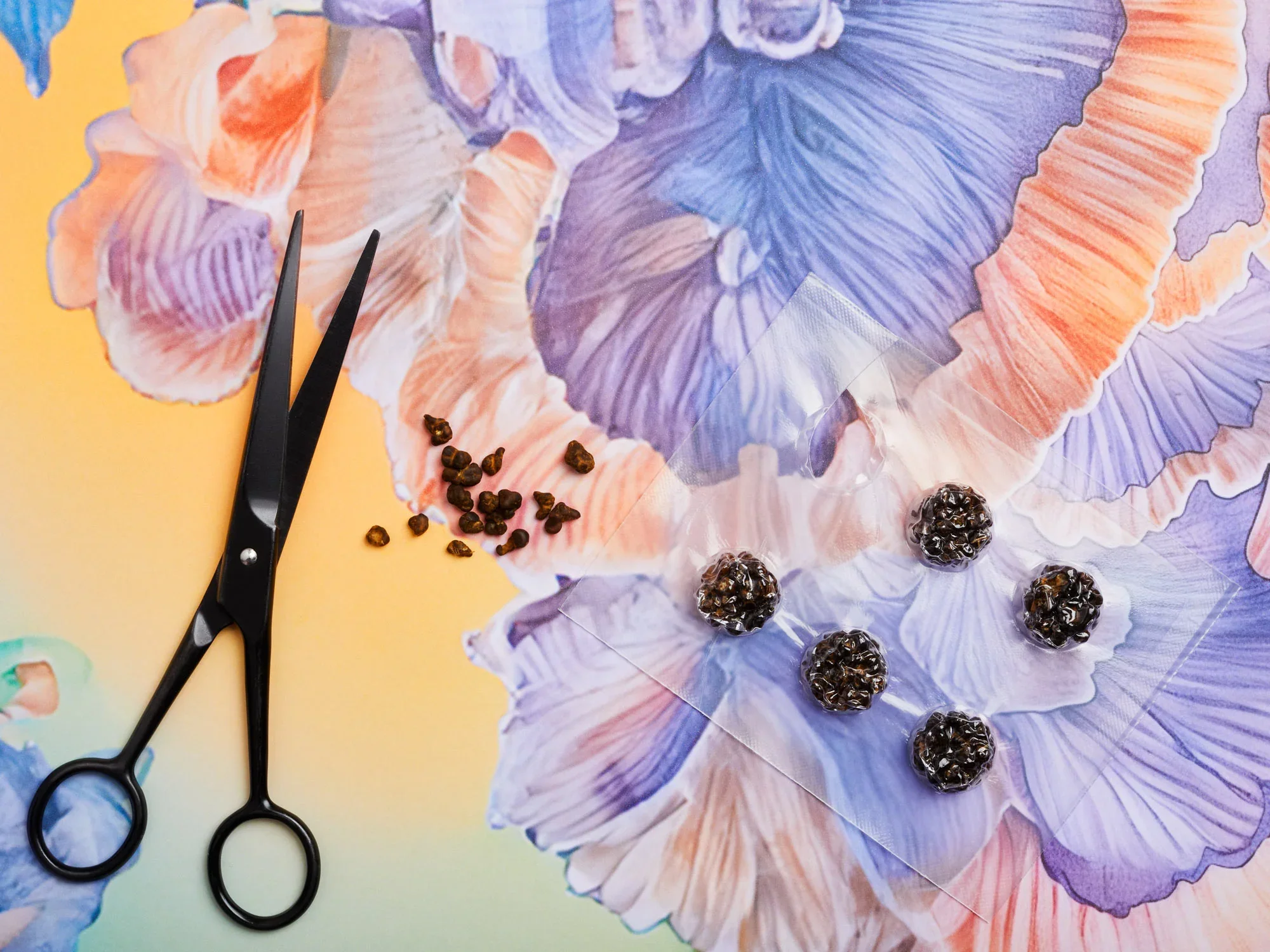
It's pretty simple. We work with fresh truffles, and you take your dose in the morning, just swallowed with a glass of water. That's it. No preparation, no ritual to learn, no weighing things on a scale. We've measured the dose for you.
The protocol is every other day, over five weeks. That's eighteen doses, with guided classes alongside, because the dosing is only half the work. The other half is what you do with the space it creates, which is why we built the programme around it. Microdosing without intention is just a supplement. Microdosing with intention is where the change happens, which is why we created the Mindful Microdosing Program.
After the five weeks, you take a ten day to two week break to let your receptors reset.
We recommend at least three rounds, but most of our clients stay, because the effects and benefits just keep building. It becomes the most important tool in their toolkit for expanding their minds, deepening authenticity, and living an overall richer life.
Is Microdosing for everyone? Who shouldn't do it?
In general, microdosing and psilocybin are very well tolerated. In fact, in the famous Nutt study published in The Lancet, ranking the harm of different substances, psilocybin doesn't even appear on the risk scale.
Guess what tops that list? Alcohol.
That said, there are cases where we don't recommend it, and we do turn people down. The main one is a personal or family history of psychosis or schizophrenia. Psilocybin acts on the same brain receptors involved in those conditions, and there's a real risk of triggering an episode. This is non-negotiable for us.
What we do see, and this is one of the most meaningful things we get to witness, is that many of our clients have been on and off antidepressants for years, mostly SSRIs, and through microdosing, they've been able to phase them out. Not overnight, and always in conversation with their doctor, but consistently. That's the part of this work that still moves me.
We screen everyone who joins our programme, because the whole point is to do this responsibly, not casually.
Walk us through the difference between all your products. How does someone know where to start?
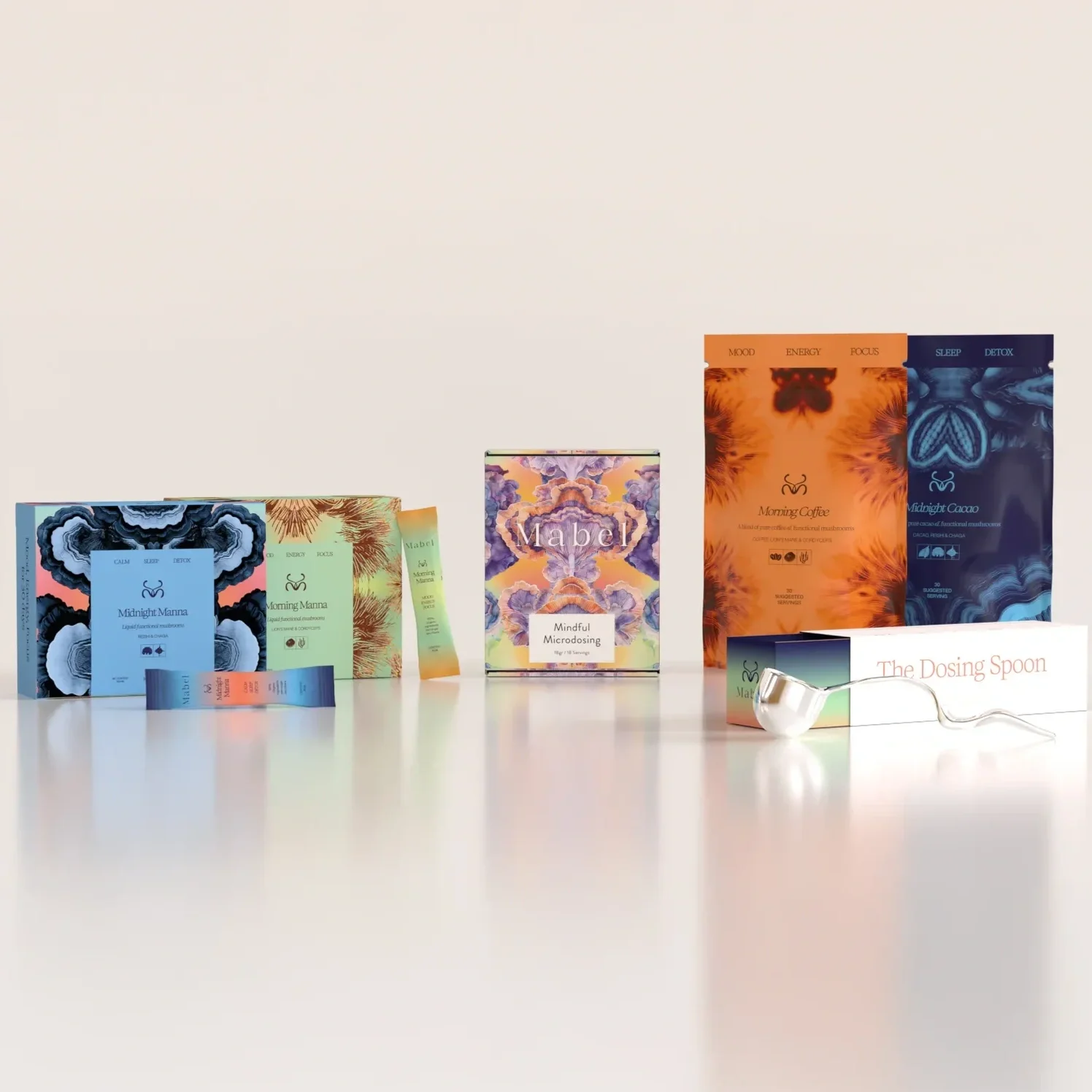
If you just struggle with sleep, go for Midnight Manna. If it's just morning energy and concentration, go for Morning Manna.
But if any of these sleep or energy issues are in any way linked to something more profound, like stress, chronic pain, anxiety, or feelings of depression, the most powerful combination is the Radical Wellbeing Kit. It's the sum of all three products, and it's a complete reset for mind, body and soul. It's the protocol I've now followed for three years.
Mabel On A Global Stage
You were at Davos alongside McKinsey and the Women's Brain Health Foundation. What did it mean to have psychedelics at that table?
I can't overstate how important this is, and in fact, I've been getting a lot of personal criticism for it. Some people feel that Davos isn't a place that has people's interests at heart. Perhaps they're right in certain ways, but what I can tell you is that if you're not at the table, you're on the menu.
I went to share our data and our findings, and to make sure the conversation about psychedelic medicine includes women, founders, and people actually doing the work. Governments and politicians are catching up rather fast to the fact that this is the new frontier of mental health, probably also for longevity, and we've only just scratched the surface of what psychedelics are capable of.
This matters especially for women's health, which has been an underserved, misdiagnosed and poorly served space in terms of treatment options, not only for mental struggles but hormonal ones too. That's why it's wildly important to be in the room, having that conversation.
There's still a lot of stigma. What's the reaction when you tell people what you do, and how do you handle the sceptics?
Well, it's a strong opening line at any dinner. It hasn't escaped most people that psychedelics are here to stay, so I'd say people are curious, interested, and very open, with a lot of good questions.
The space is moving so fast. Studies and documentaries are everywhere, celebrities are coming forward sharing experiences and data. It's no longer a question of "can psychedelics be great for society as a whole," but "who gets to benefit and in what form." The conversation has truly shifted, but obviously there's still a lot of education to be done.
The Future
The science on psilocybin is accelerating fast. Where do you see it heading?
That is the elephant in the room.
On 18 April, Donald Trump signed an executive order on psychedelics that most people took as an advancement. It isn't. It accelerates FDA approval for specific synthetic compounds held by big pharma.
If these get approved, the real risk is that the natural psychedelic compounds, found in nature and untreated, will remain Schedule One. Just like cannabis: synthetic THC was approved decades ago, yet the plant itself is still Schedule One.
It's unfathomable that this isn't changing. But the question I really want everyone to ask is why. Who gets to profit from keeping these natural substances away from us? It's a moral and ethical question up against gigantic pharma lobbying. And what happens in Washington doesn't stay in Washington: Europe's regulatory framework follows the FDA closely, so the same dynamic will reach us.
That said, Europe is moving in really hopeful ways. The European Commission has made mental health a formal priority, and that's opened doors. The Czech Republic legalised medical psilocybin in January. Germany has a compassionate use programme running. The European Medicines Agency has hosted workshops on a regulatory framework for psychedelic medicine. And we're part of an EU-supported research collaboration with Maastricht University on outcomes of microdosing. So while the US story is concerning, Europe still has a real window to do this differently. That's what I'm holding onto.
If you could change one thing about how society thinks about psychedelics — what would it be?
I think I'm actually okay with the pace at which we're moving right now.
The timing is right, and people are slowly waking up, seeking more awareness, answers and the truth. I'm not here to preach to anyone, or on a mission to get everyone to take psychedelics, but rather to inform and serve those who seek this.
The Personal
What is the most profound experience you have ever had with mushrooms?
Through consistent microdosing, I have enjoyed big trips, and they have been life-changing.
But the real flex, at least to me, is the continued growth I get from microdosing consistently over time: whether it's my cognitive function, memory, capacity to learn, to absorb, to hold a hundred topics at once. It's the gift that now, I can sit with triggers, and not let myself spiral. It's that I'm finally showing up for myself, leaning into my own authenticity and power, after so many years of feeling lost. It's a process that just keeps giving me so much.
Three words to convince someone to try microdosing. Go.
Three words isn't enough. But here's what I'd say: microdosing doesn't change who you are, it removes who you are not.
Team Thoughts: The Tried and Tested
We did the five-week microdosing programme. Here is what we found.

The first thing we noticed was attention.
We became sharper, steadier and more present during the day. Now, looking back, we're realising how much more scattered our brains felt throughout the day.
The programme is easy to follow, though it asks you to stay conscious of the protocol days. But that rhythm, one day on, one day off, becomes part of the point. It starts to feel like something you are doing for yourself rather than something you have to remember to do. Something good for both the body and mind.
Your start to feel more conscious of your decisions, more attentive in day-to-day tasks. By the end of five weeks, we felt good. We would recommend it, and plan to return to it twice a year.
—
If you enjoyed this article, you should check out our Beauty Reset 2026, and more Interviews.