Small-Space Hacks: Big Style in Compact Living
Smart layouts, adaptable design and
multifunctional solutions to elevate small homes
—
Living small isn’t necessarily a compromise — it’s a lifestyle choice. With housing prices rising and city living more desirable than ever, many of us are trading square metres for convenience and culture. A smaller home can be easier to maintain, cheaper to run and gentler on the planet. But it still deserves to feel elegant, expressive and deeply considered.
Here, small-space living is less about restriction and more about intelligent design. Below, we’ve gathered our favourite small-space hacks that maximise every inch without sacrificing style.
Build Up, Not Out: Vertical Living
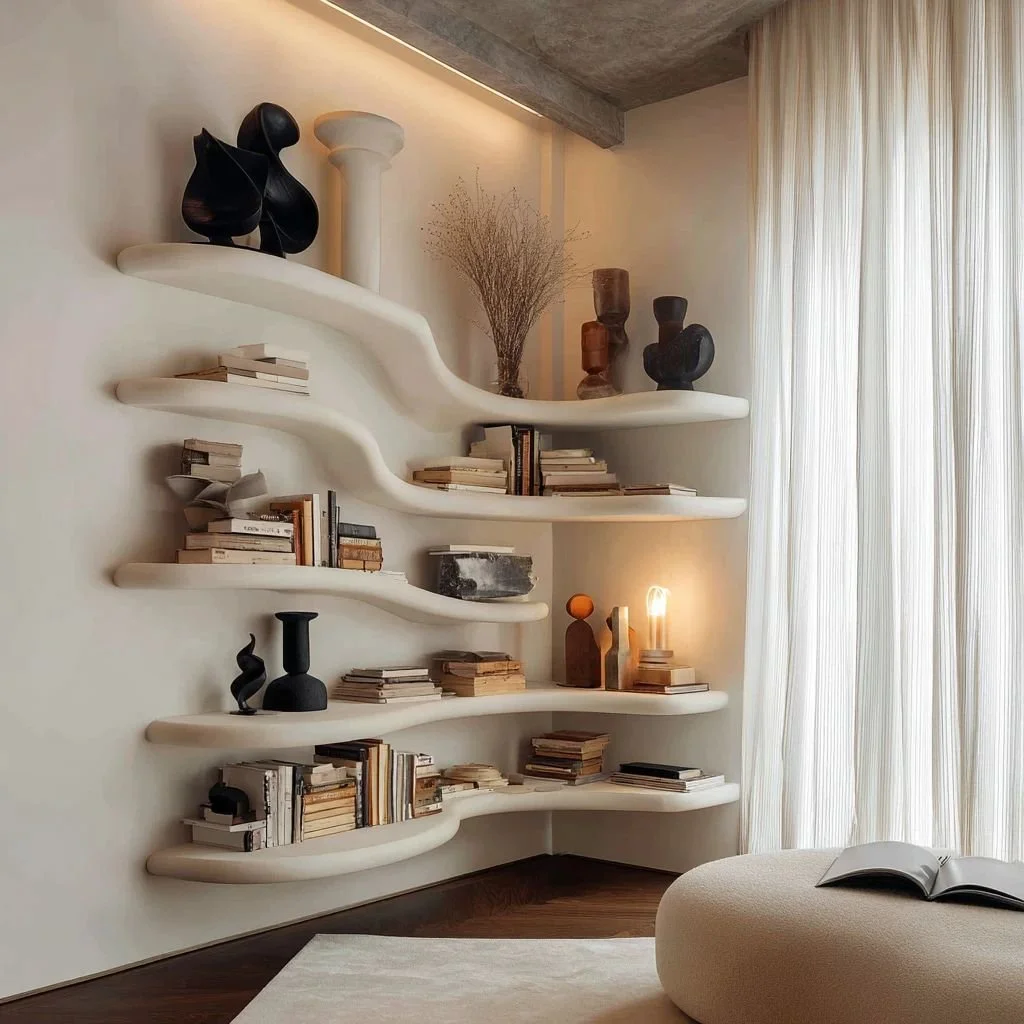
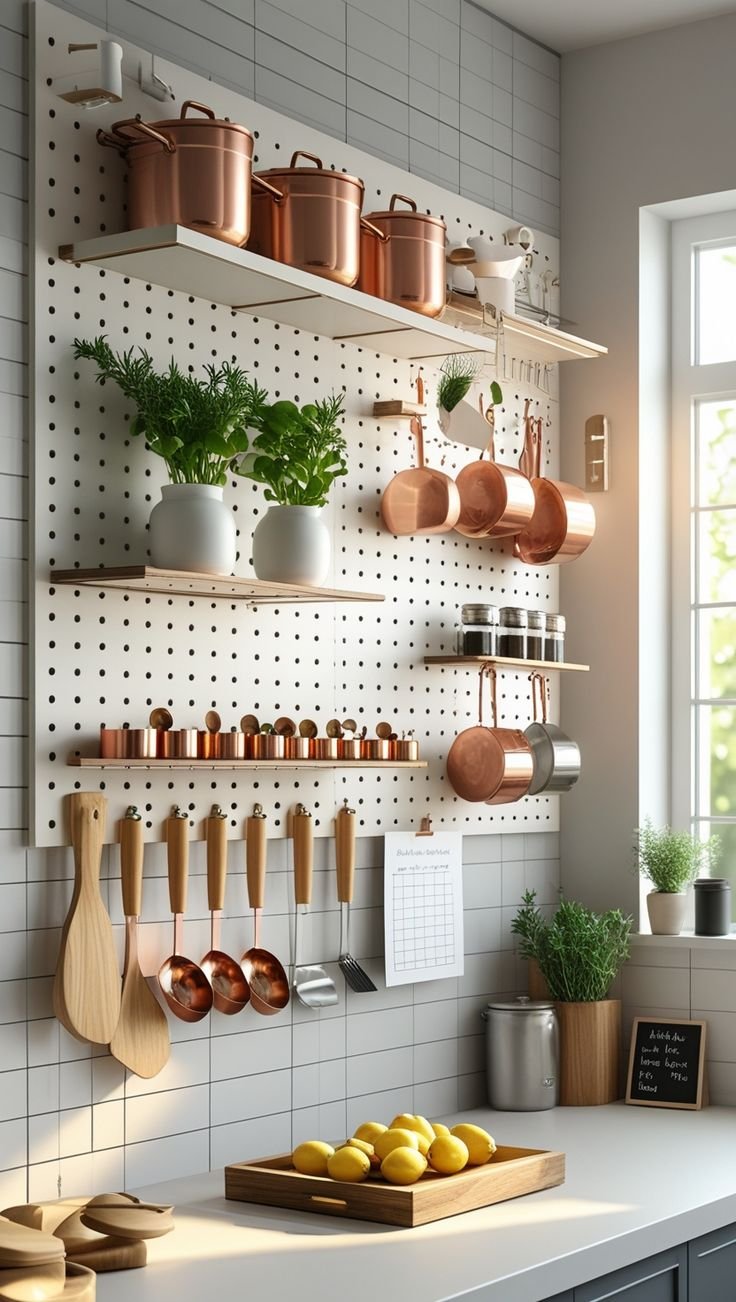
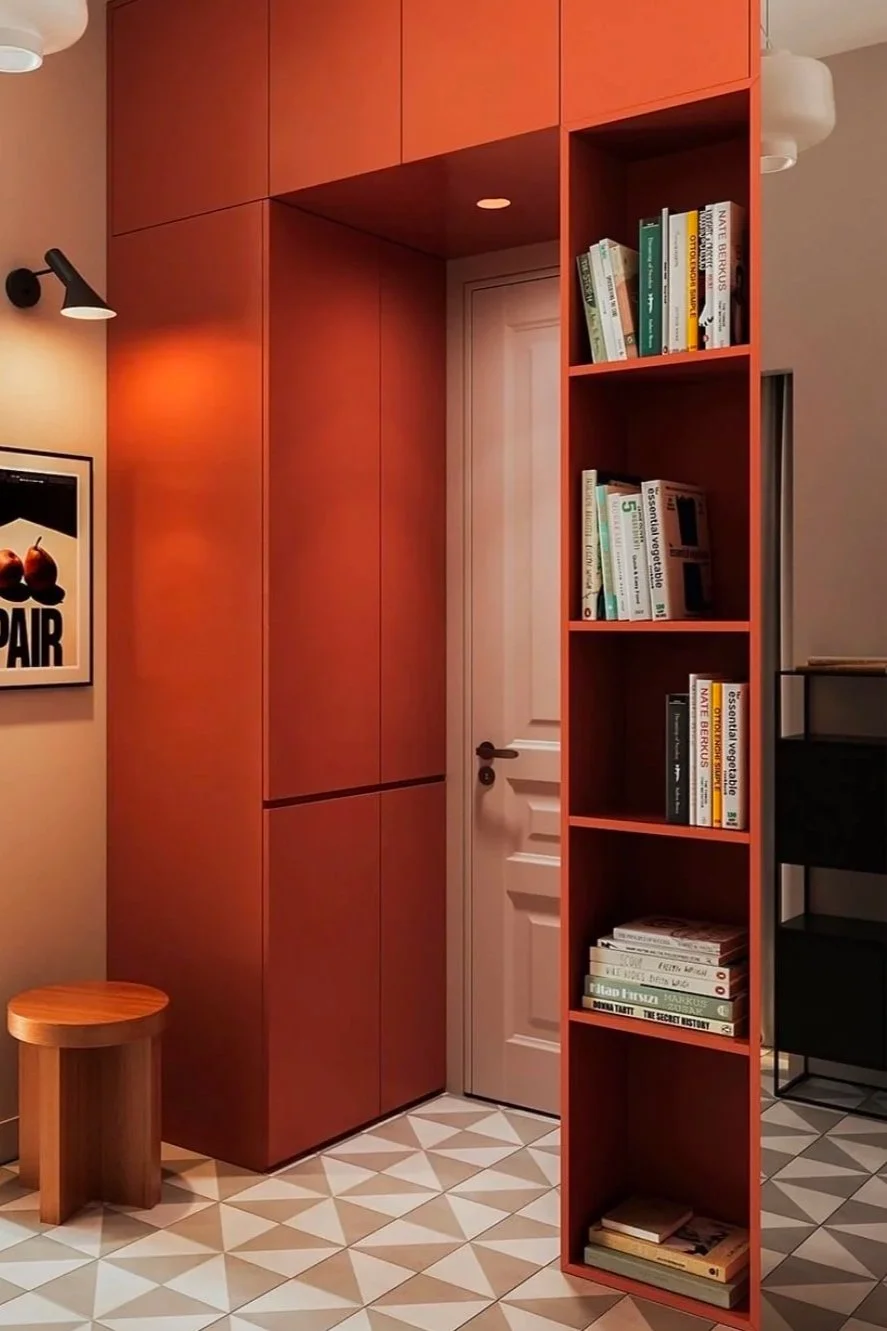
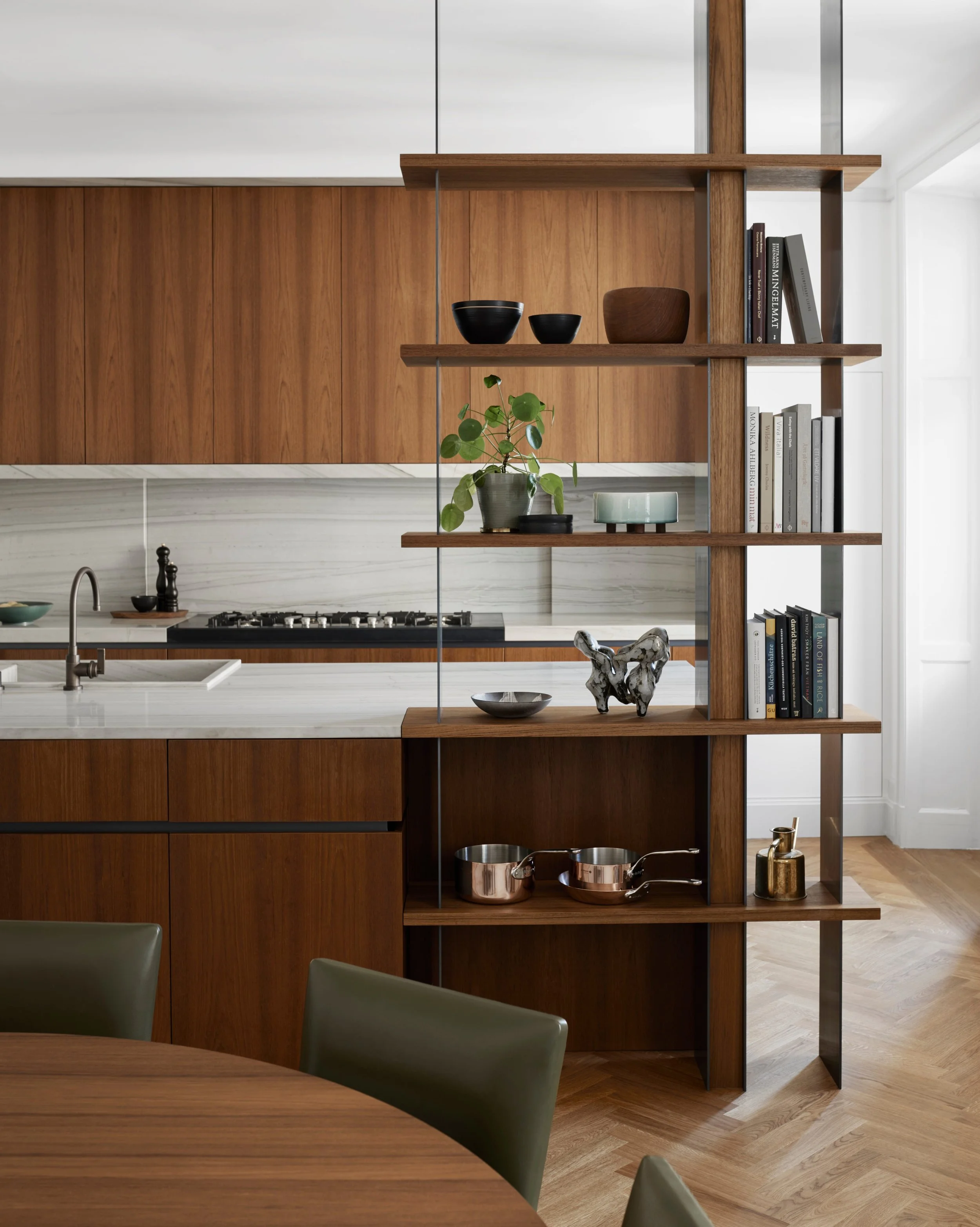
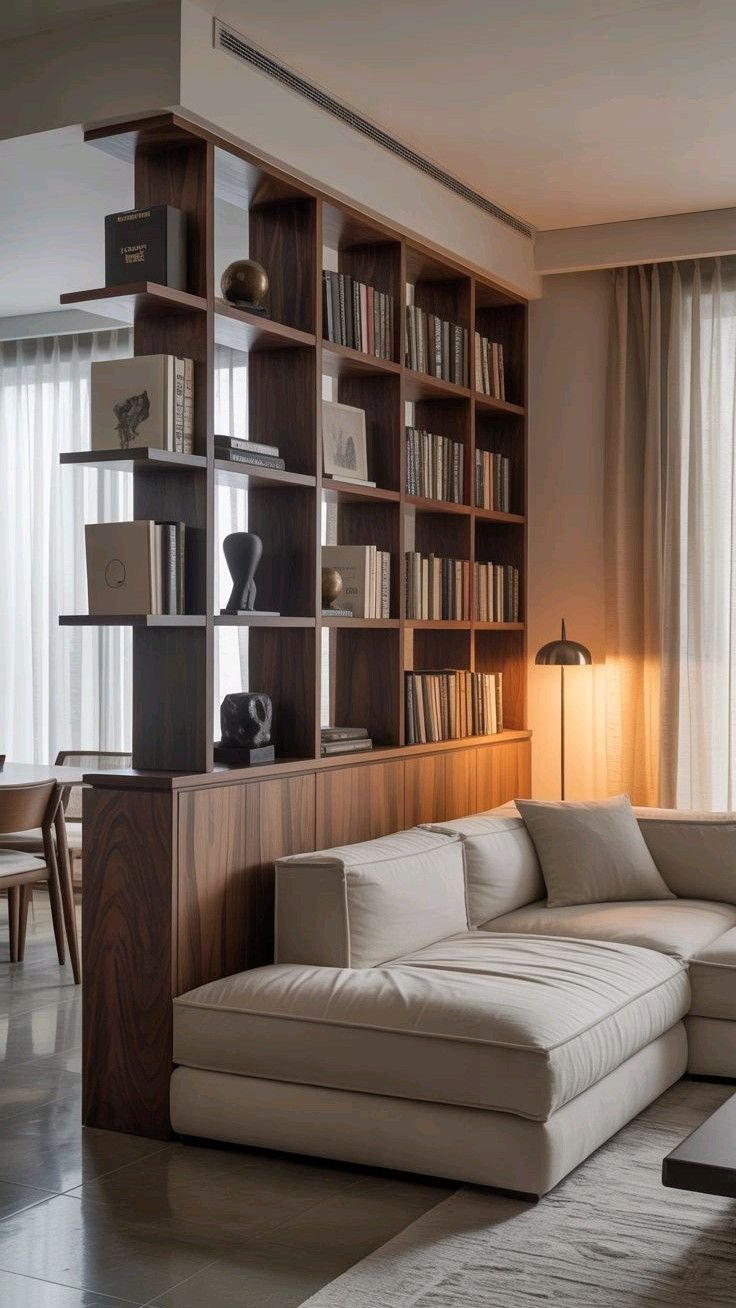
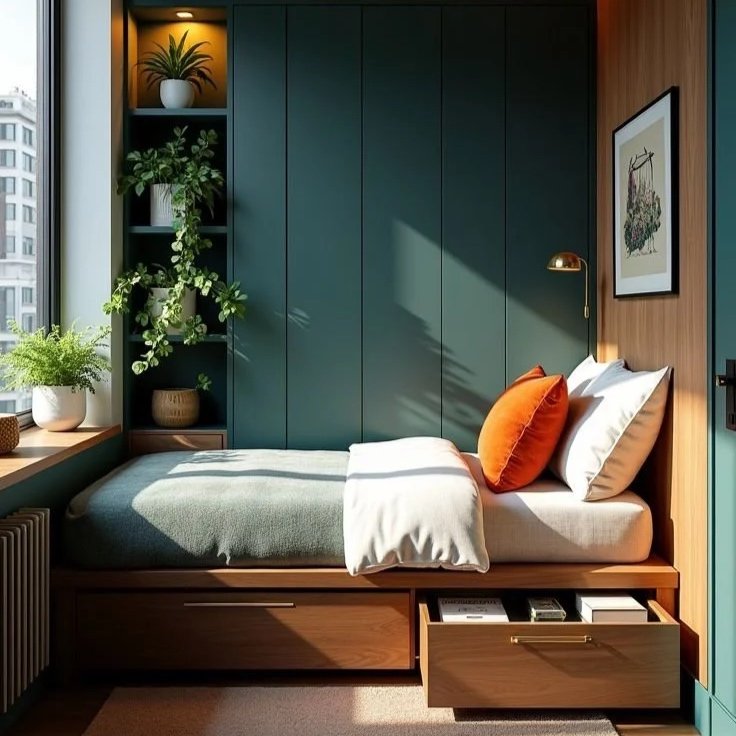
In compact homes, walls are prime real estate. Use vertical space for tall shelving, hanging and wall-mounted storage. Think sculptural bookshelves, hanging rails, narrow vertical cabinets and art-led peg systems. Raising storage frees up floor space, making the room feel taller, lighter and more intentional.
Curtains as Clever Architecture
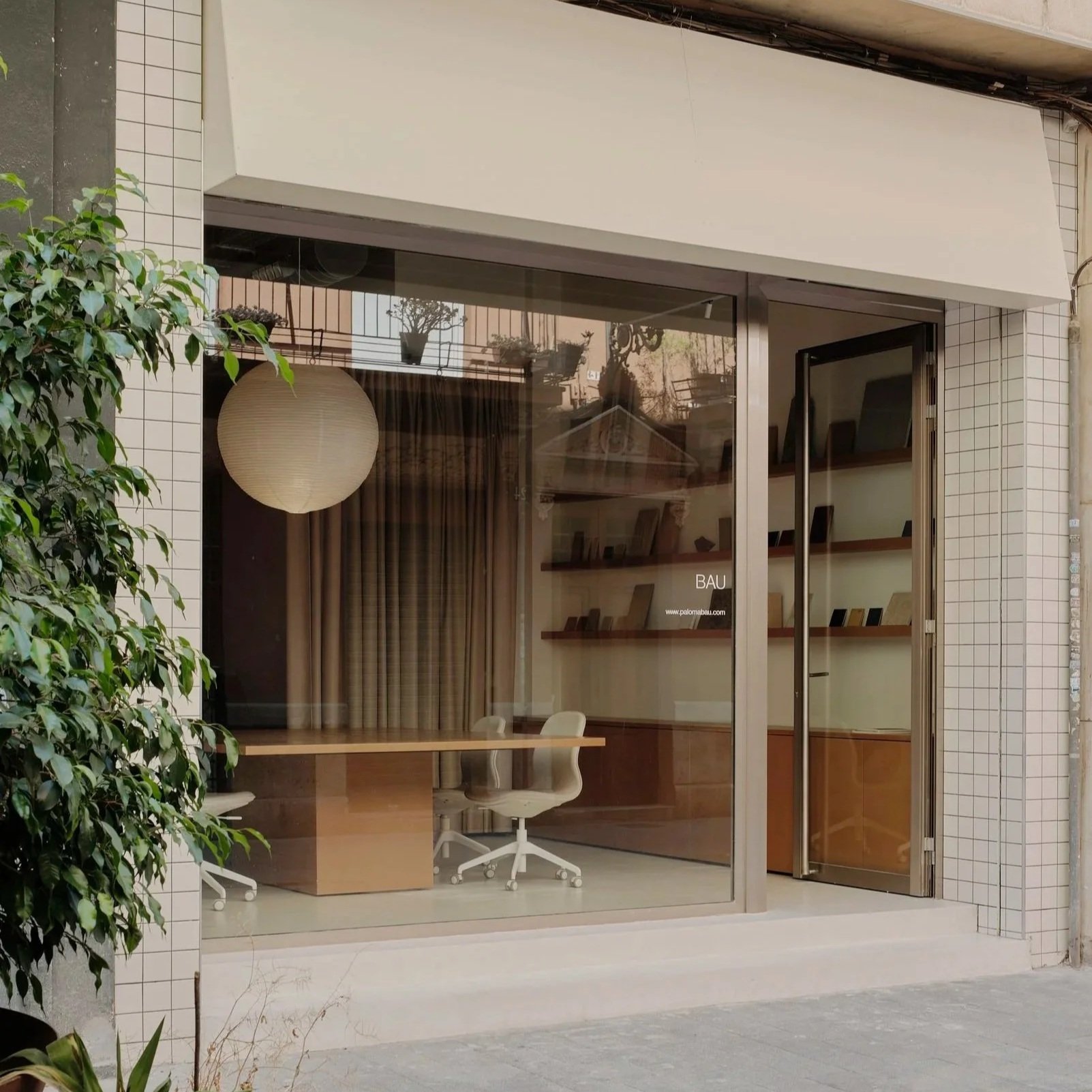
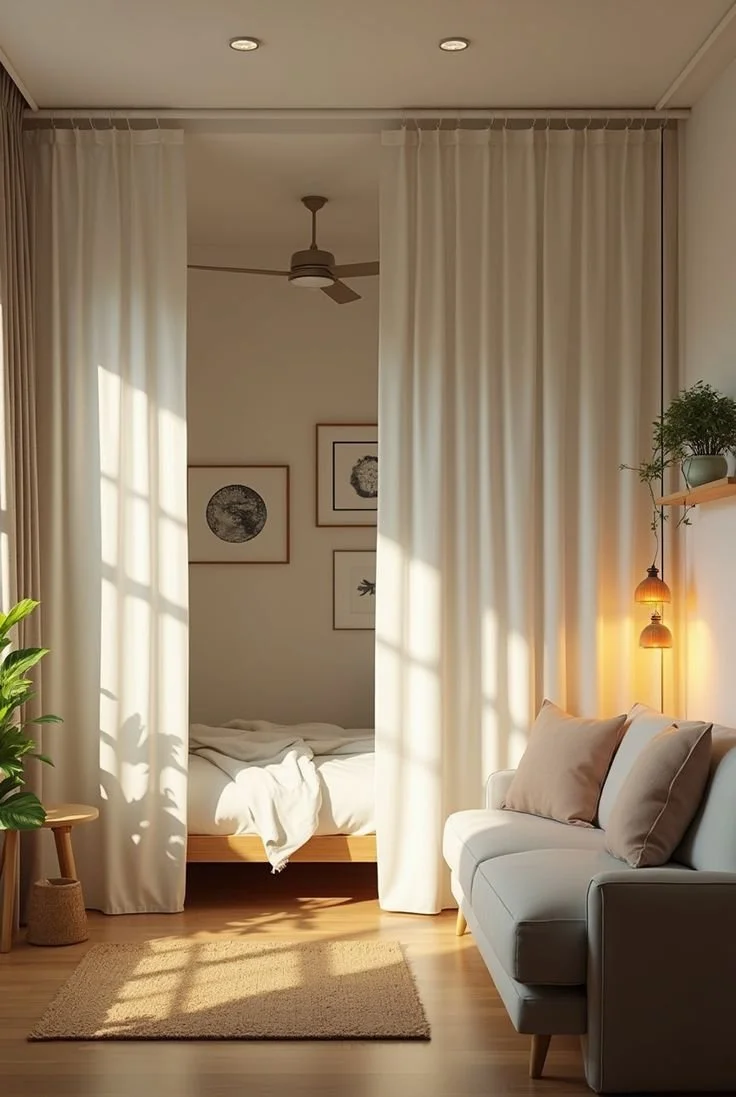
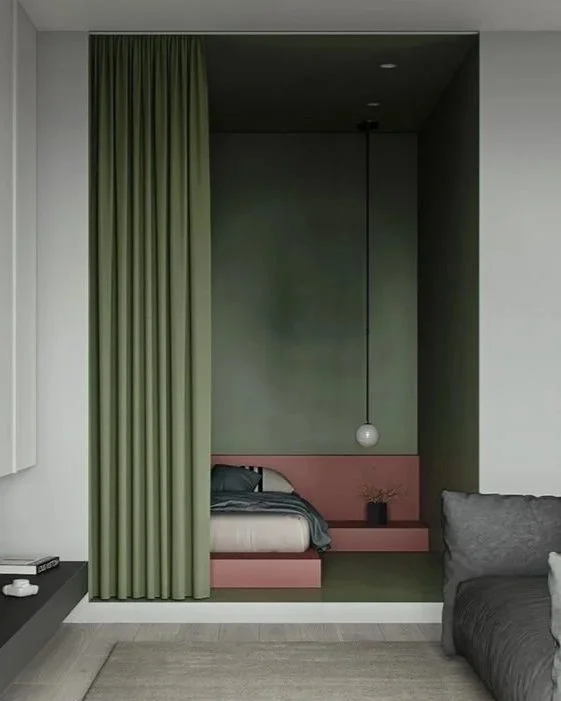
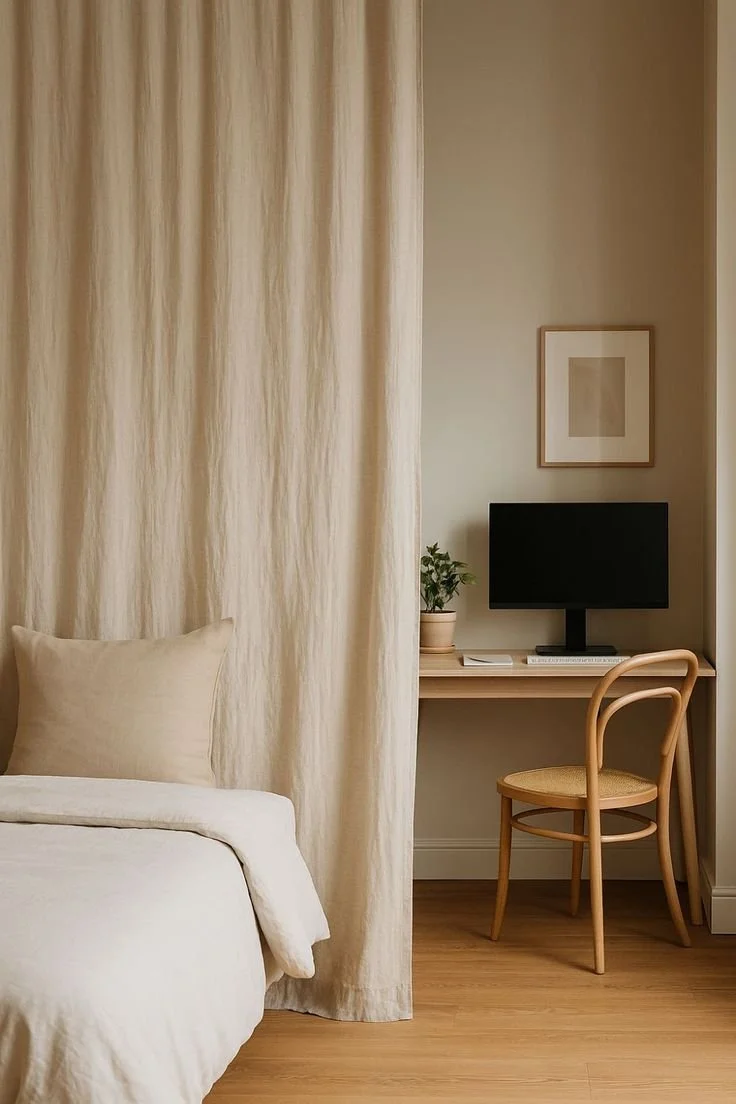
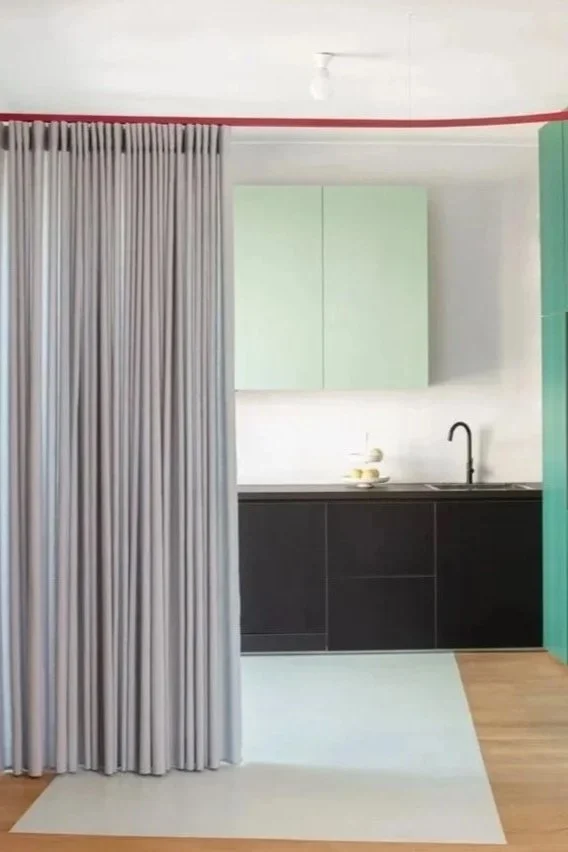
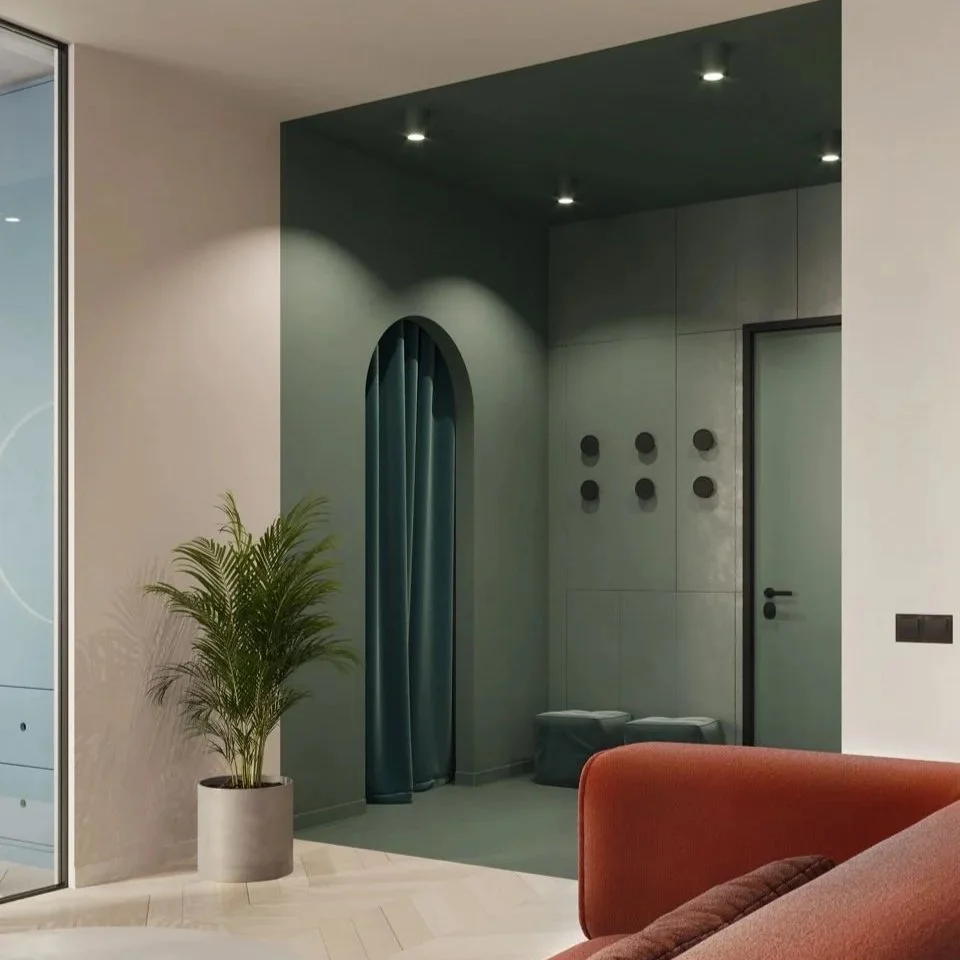
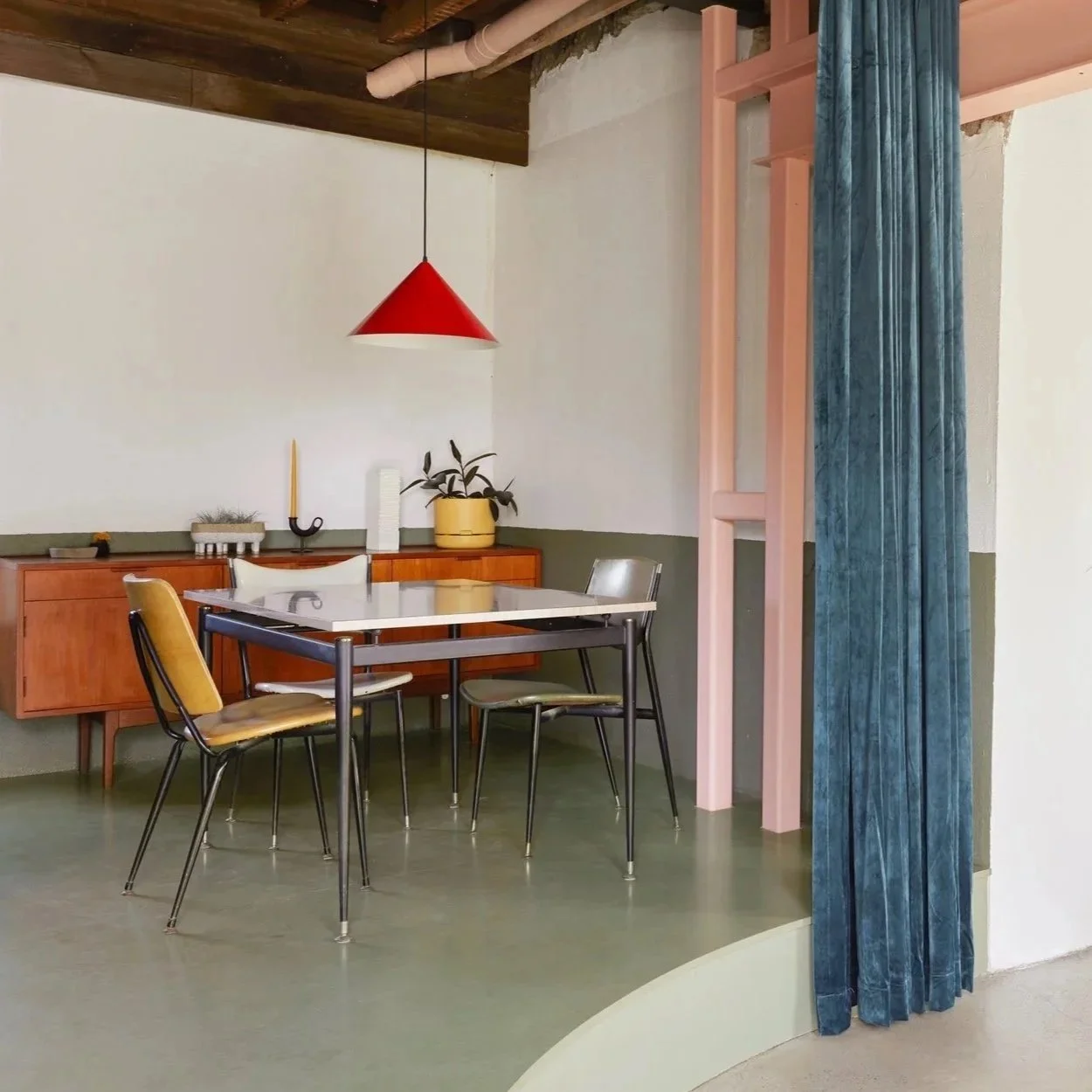
Curtains are one of the most underrated zoning tools. They create privacy without closing a room off, soften acoustics and allow layouts to shift throughout the day. Use them as a wardrobe door, a bedroom wall, a flexible workspace divider or to discreetly hide practical areas when hosting.
Beyond function, curtains offer instant transformation. Play with colour, texture or pattern and change the entire mood of your space without lifting a paintbrush — a fluid, adaptable solution shaped by rhythm, need and a single gesture.
Multifunctional Furniture
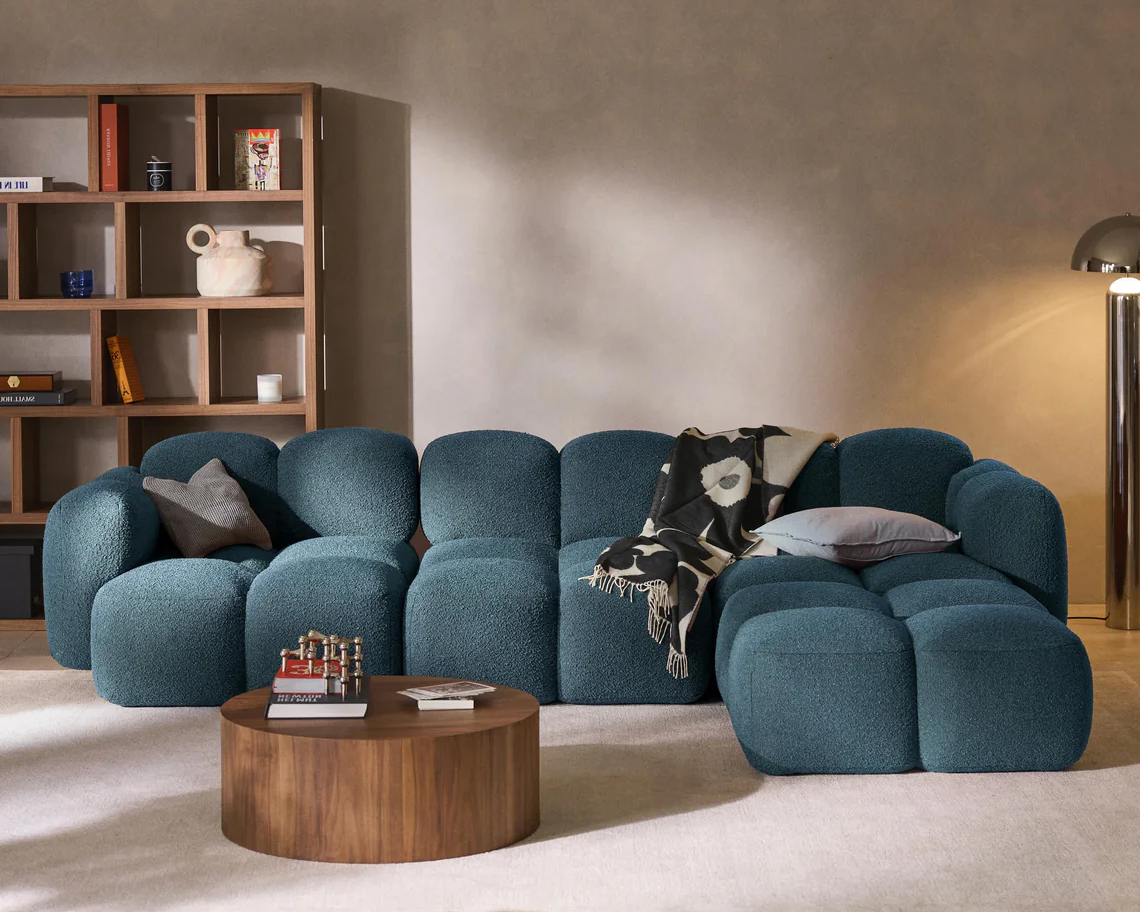
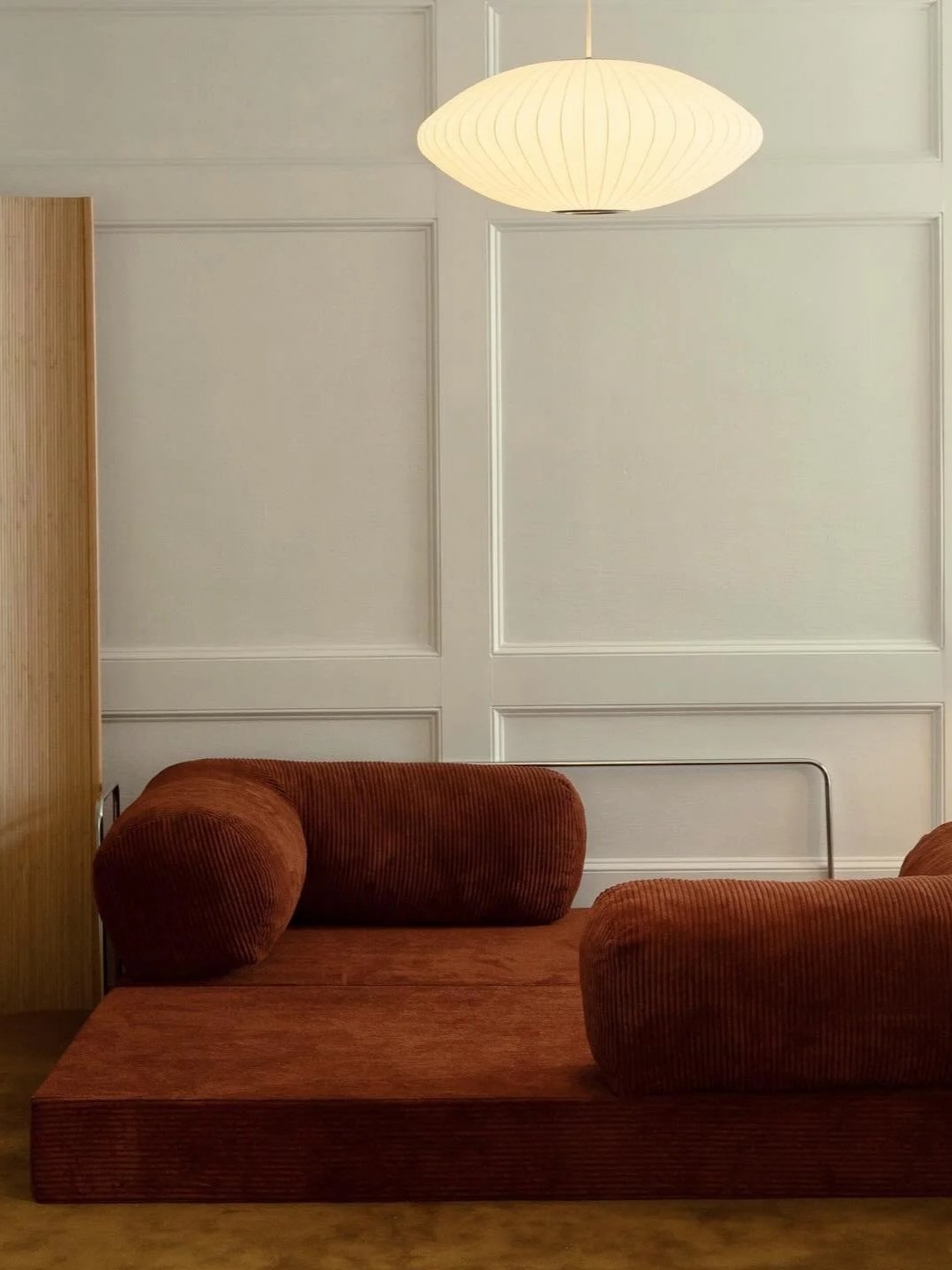
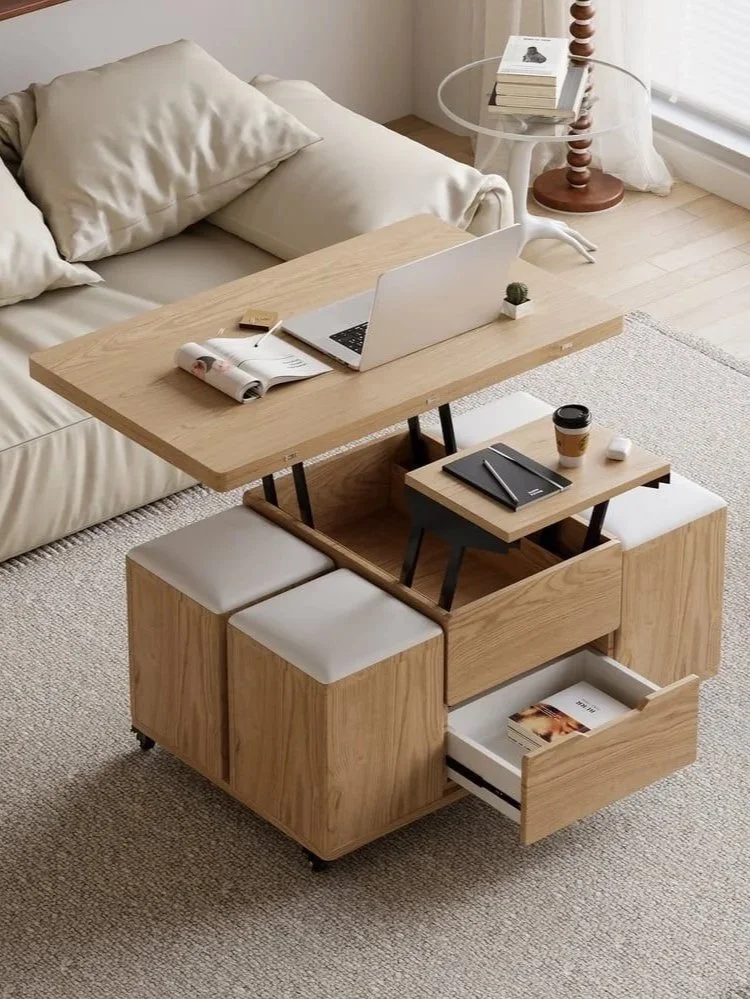
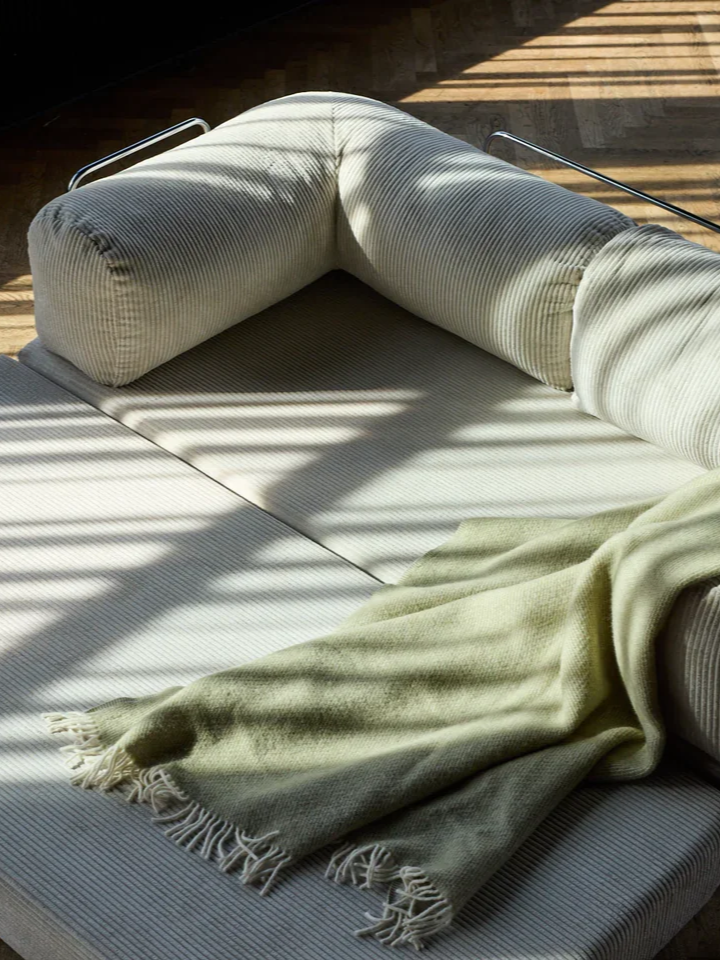
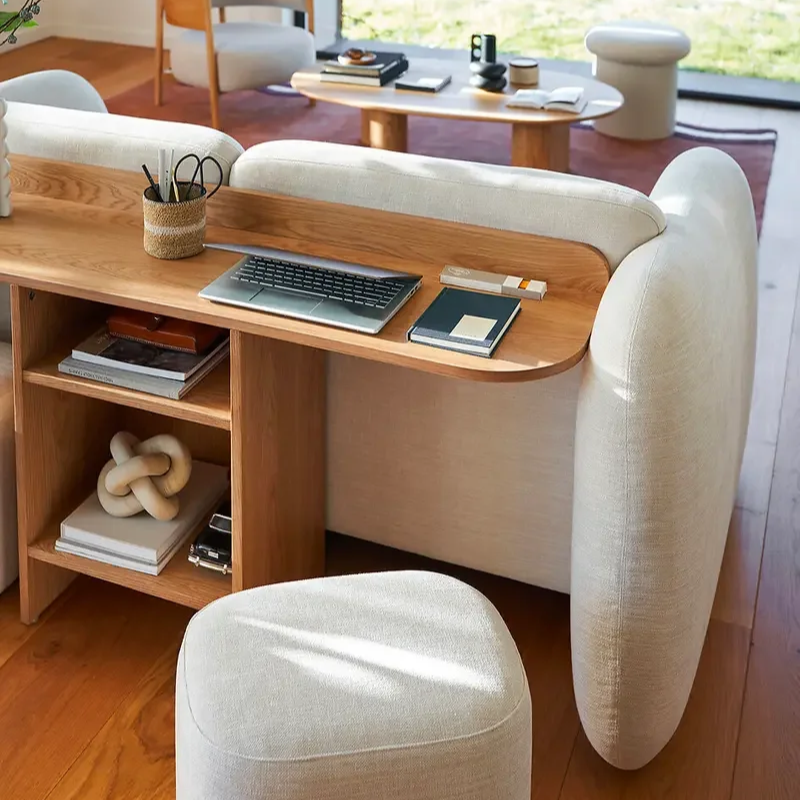
In a small home, furniture that does more than one job is essential. Think modular sofa systems that reconfigure into lounging landscapes, shelving that doubles as a room divider, tables that shift from work mode to dinner setting, and benches or ottomans with concealed storage.
These solutions evolve with your week — work on Monday, host on Friday, recharge on Sunday — without demanding a full reorganisation of your space.
Mirrors as Spatial Illusions
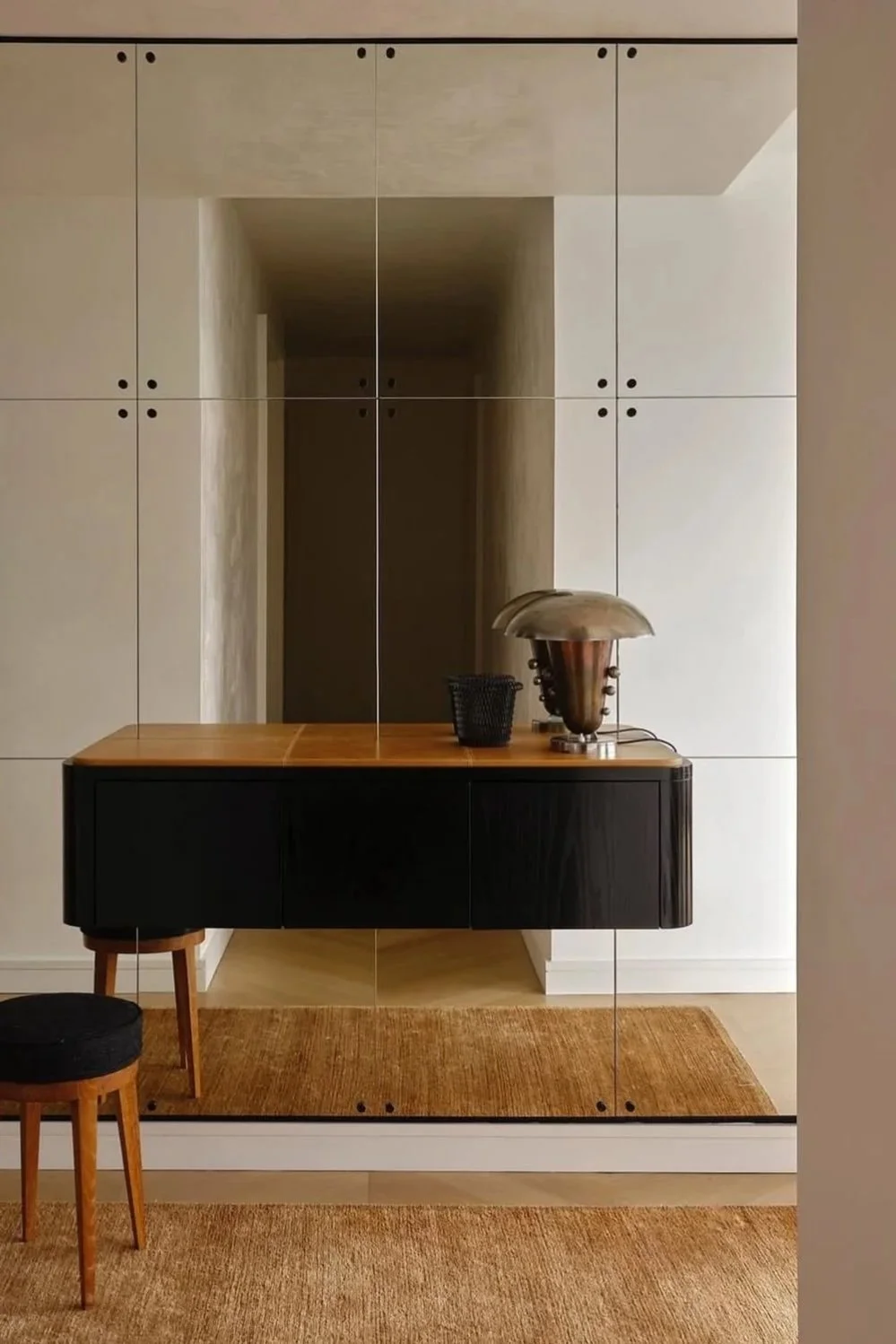
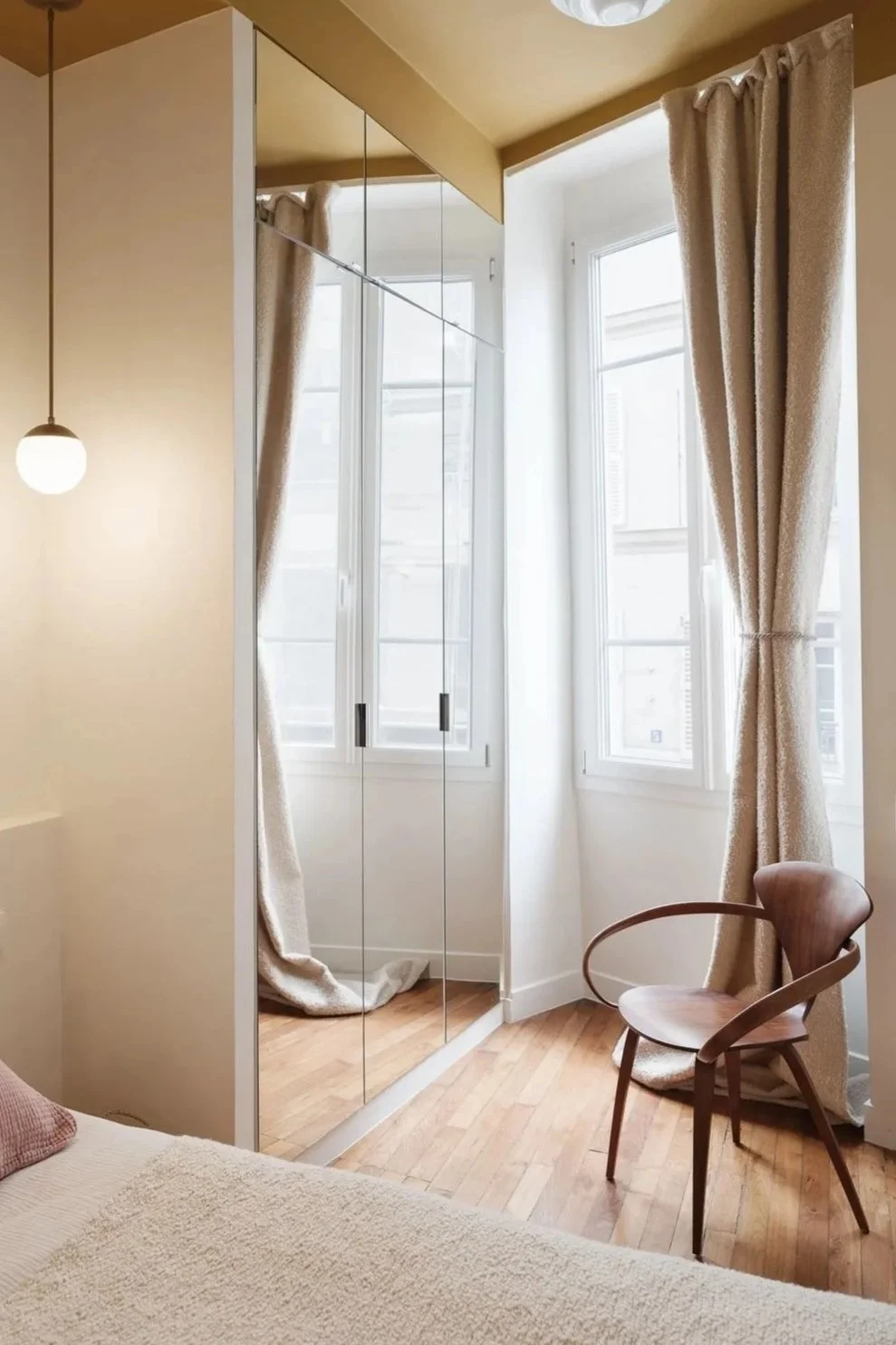
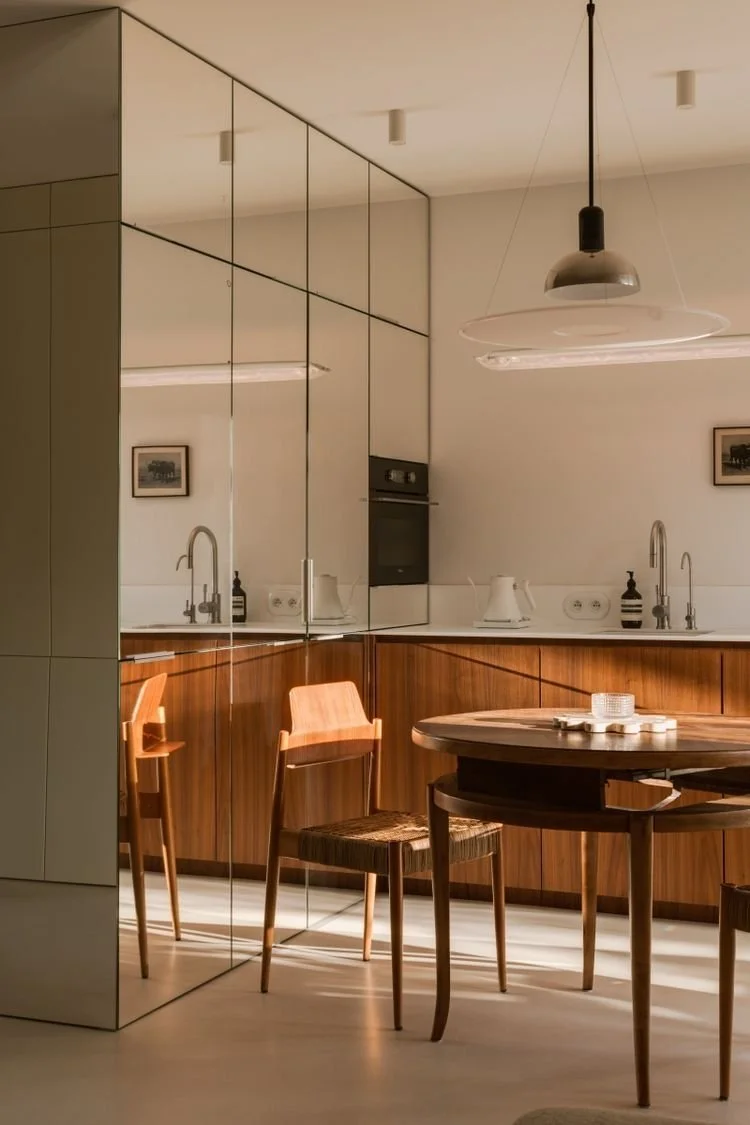
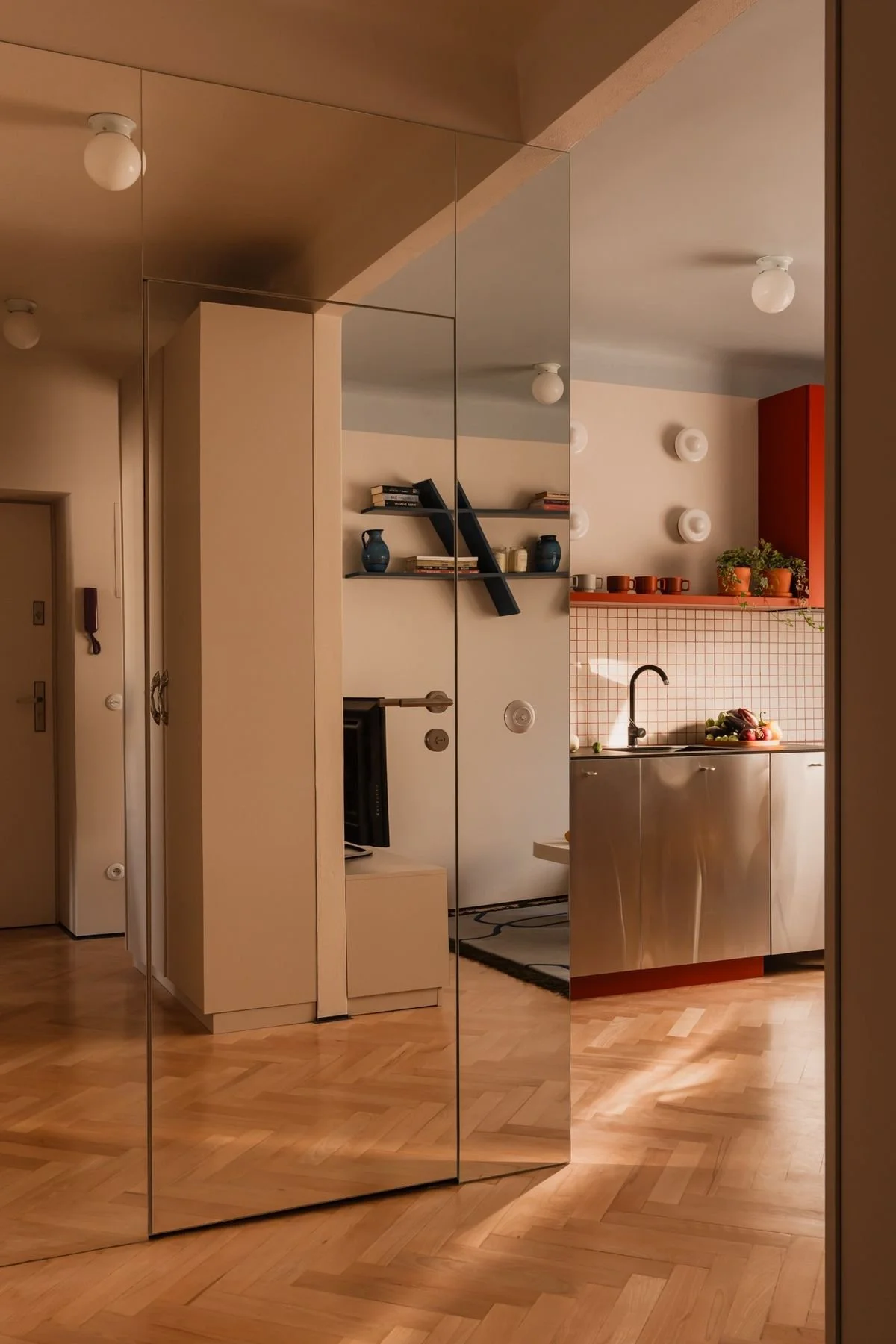
Mirrors are one of the smartest tools in small-space design. Beyond reflecting and enhancing light, they add depth, visually expand rooms and stretch narrow layouts.
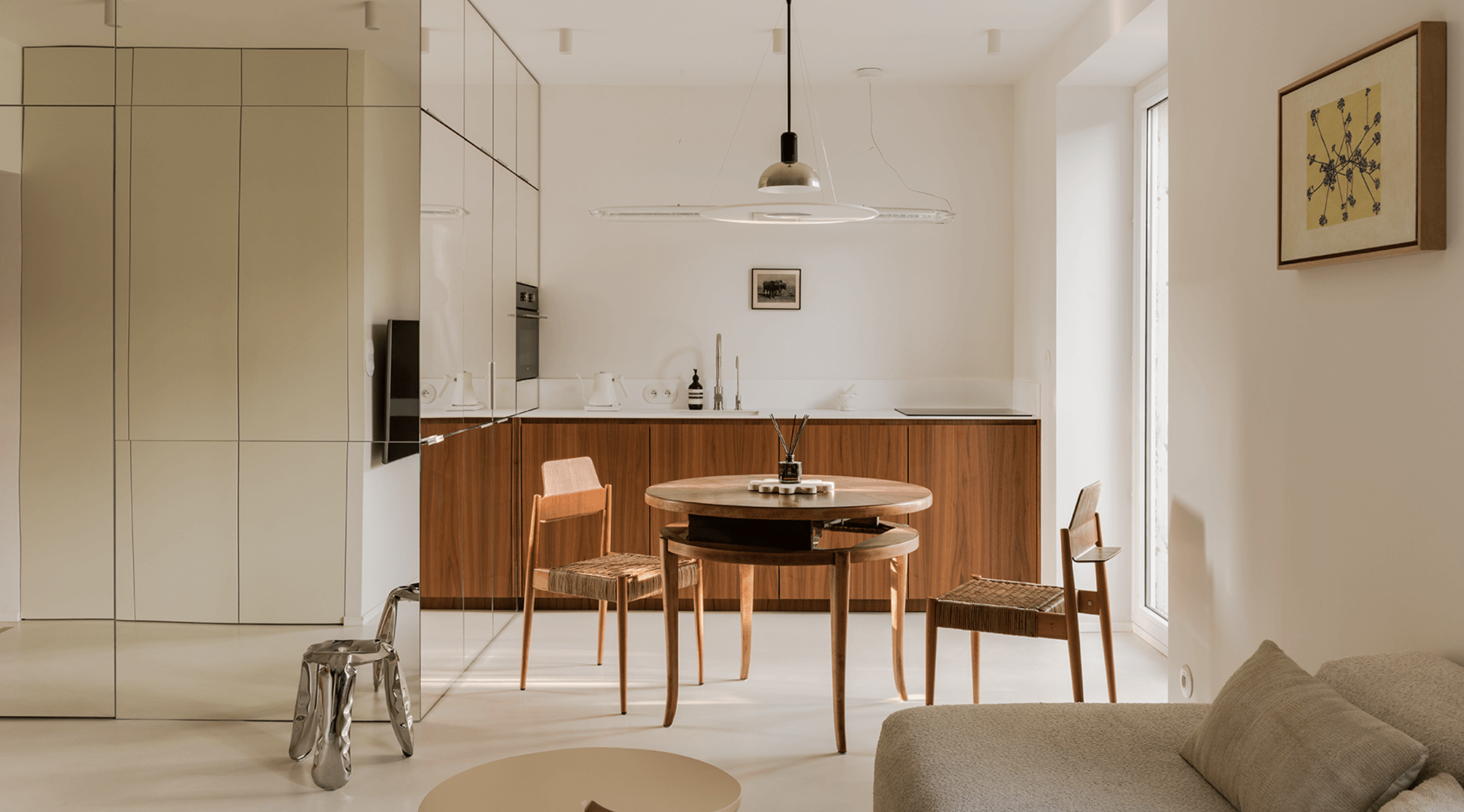
Placed opposite windows, along corridors or integrated into storage, mirrors amplify depth and openness — making compact homes feel lighter, larger and more considered without adding a single square metre.
The Power of Colour & Material Zoning
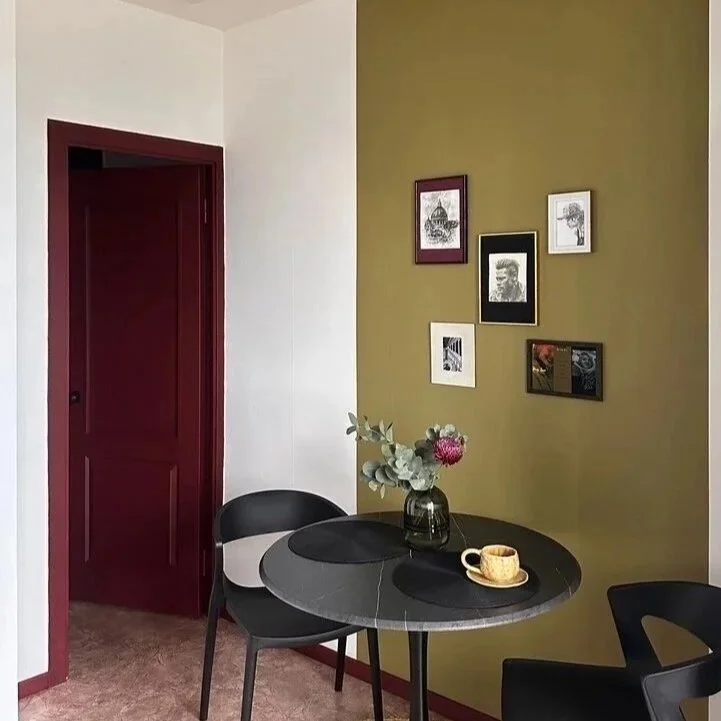
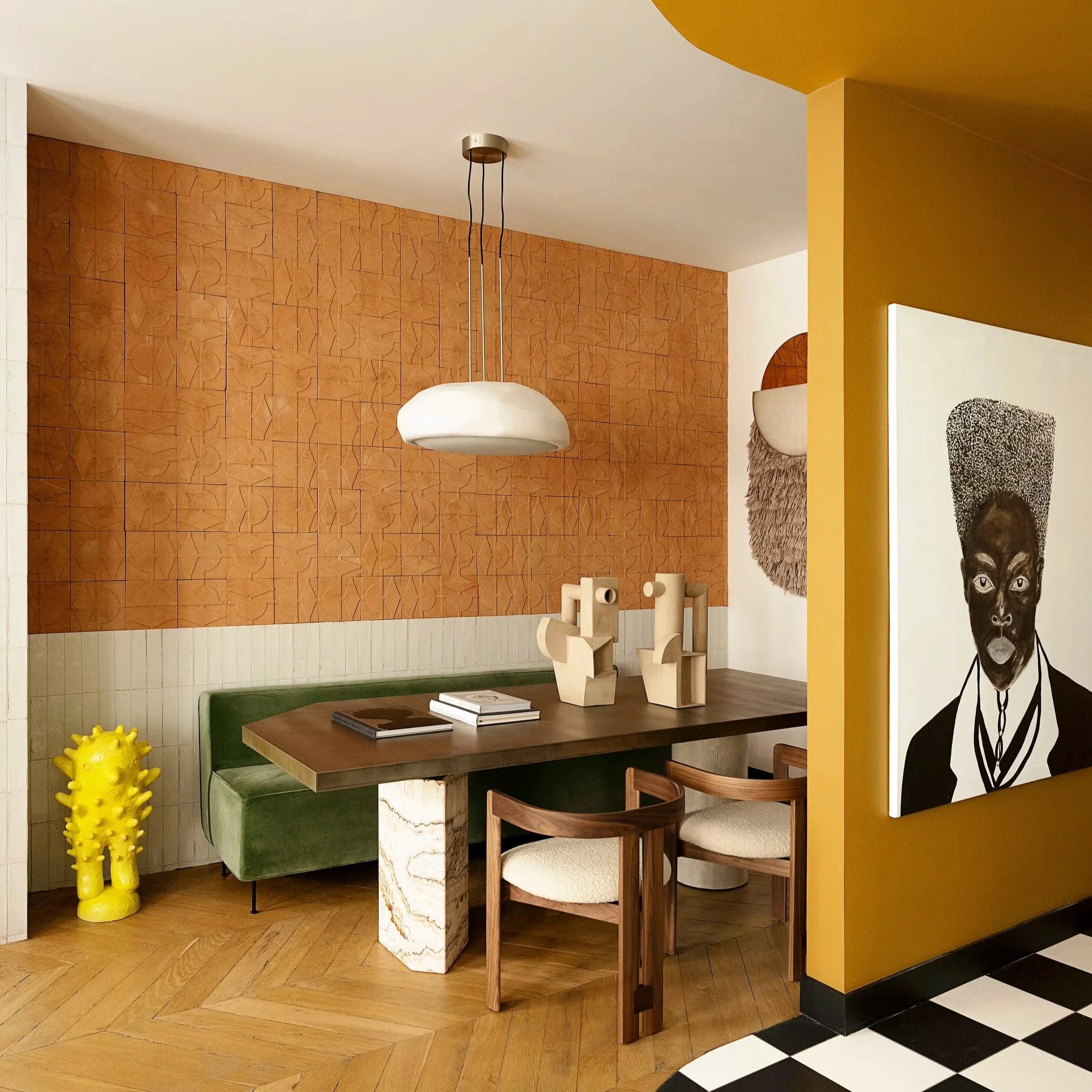
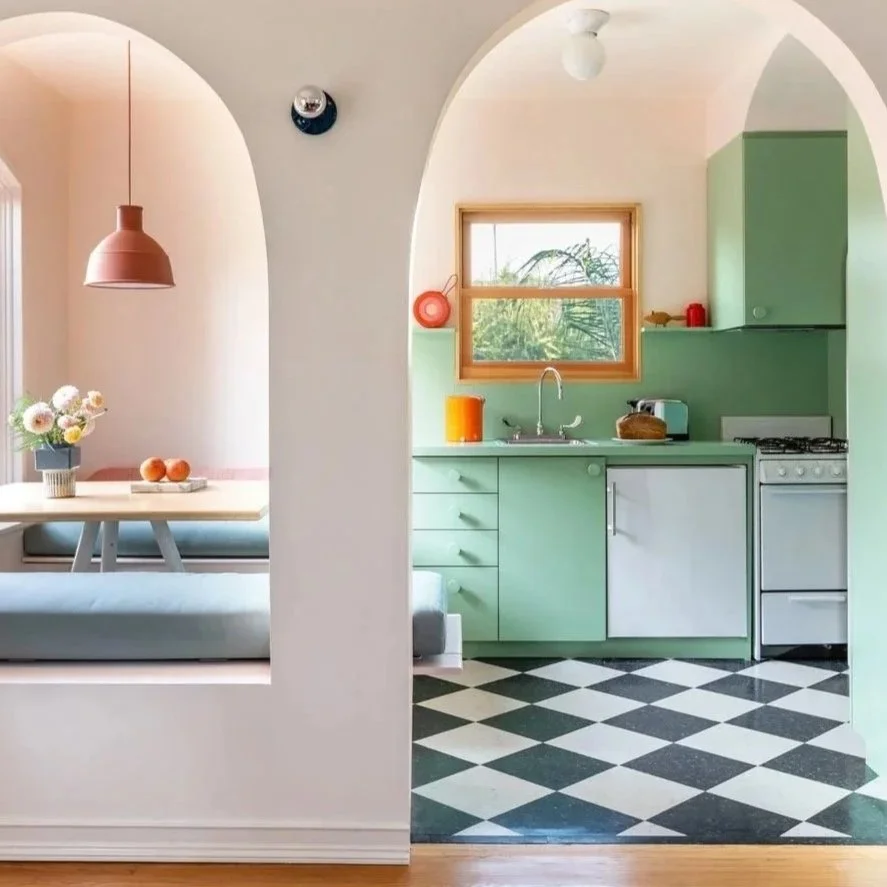
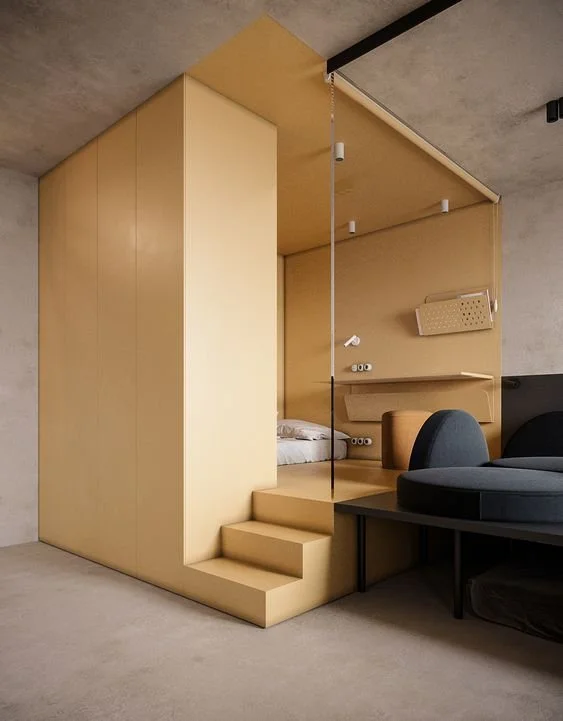
Colour is a powerful spatial tool. Used thoughtfully, it helps “build rooms” within a room — defining zones without the need for walls. Shifts in colour, texture or flooring subtly mark transitions between areas, adding structure while keeping the layout open and light-filled.
Beyond function, colour and material choices set mood and personality. Zoning through finishes allows compact spaces to feel intentional, layered and visually rich.
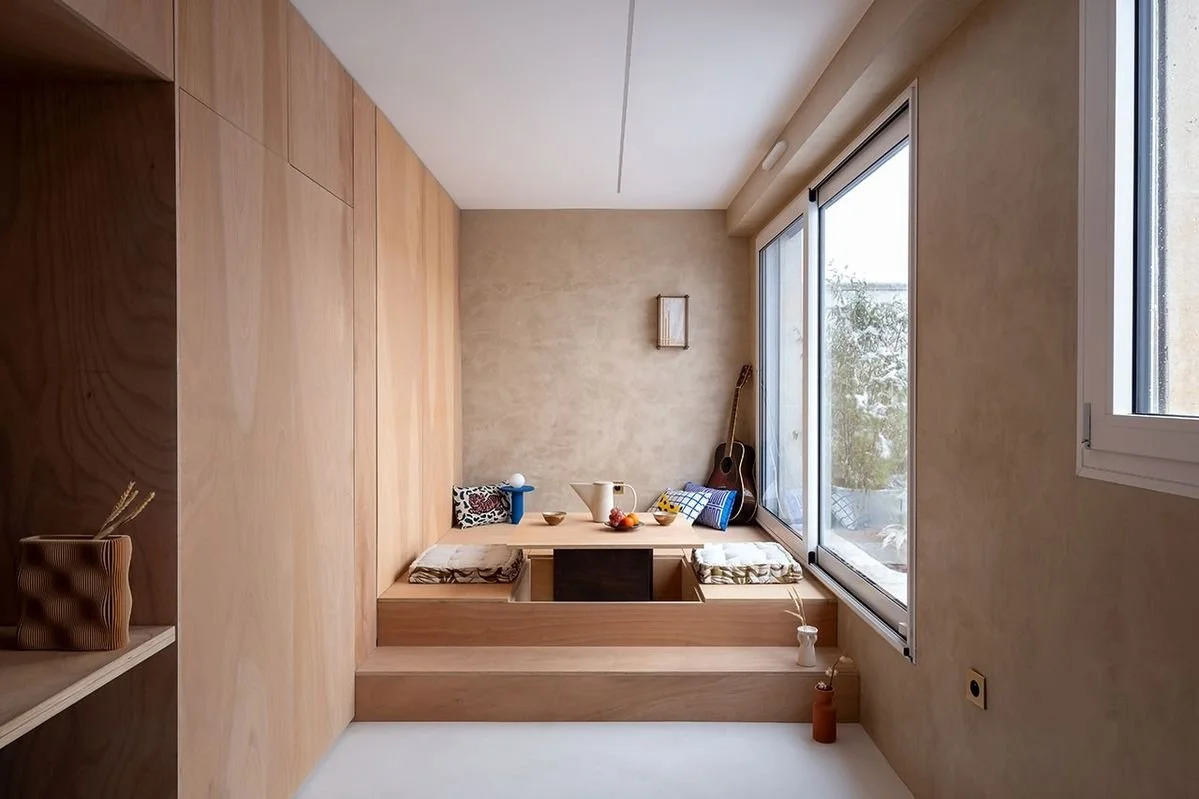
Design tip: Pair colour zoning with incremental floor levels for even greater impact. A change in height naturally defines areas and can transform a bed platform or reading nook into an architectural feature.
Curved, Built-In & Space-Optimising Furniture
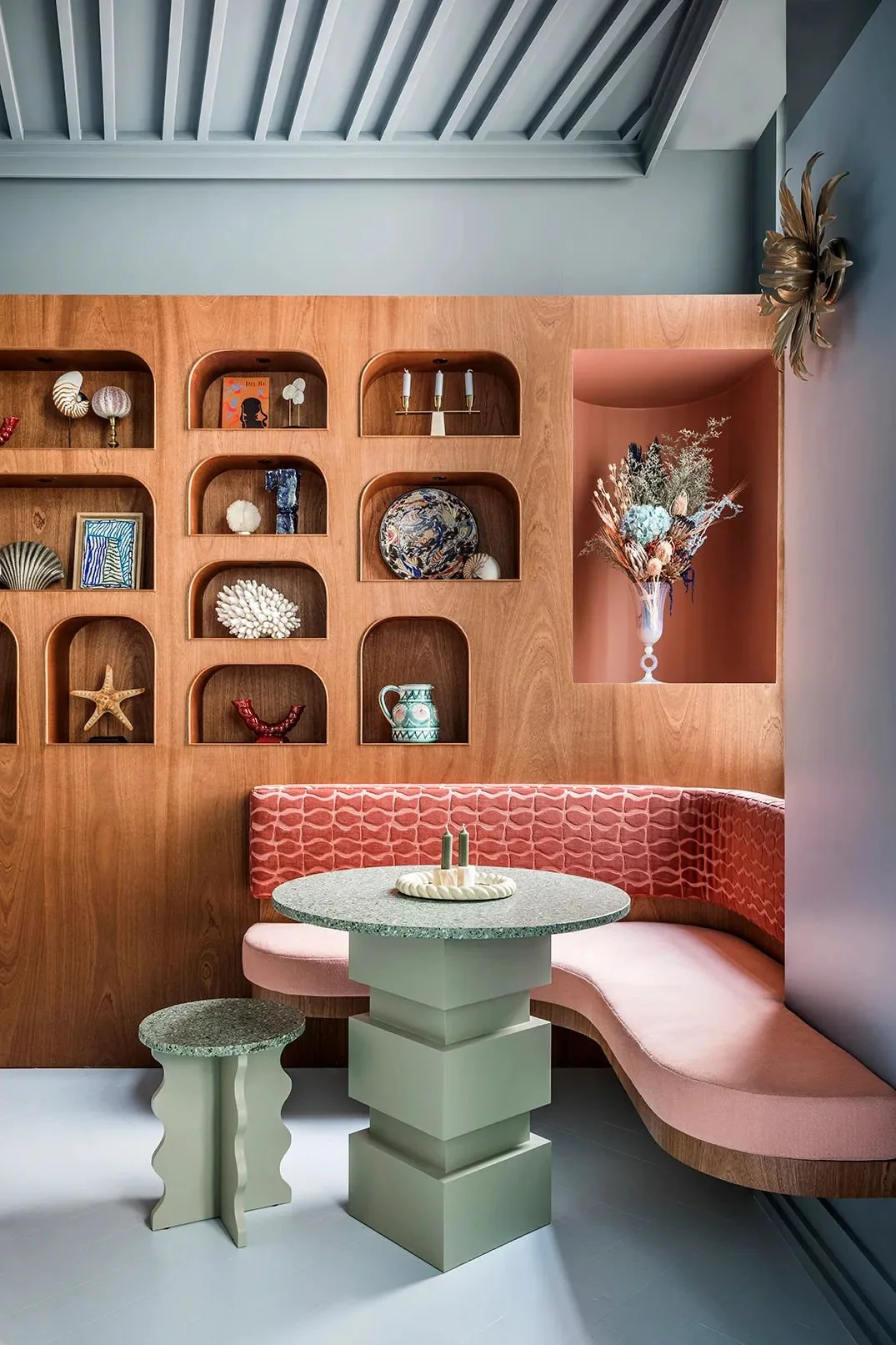
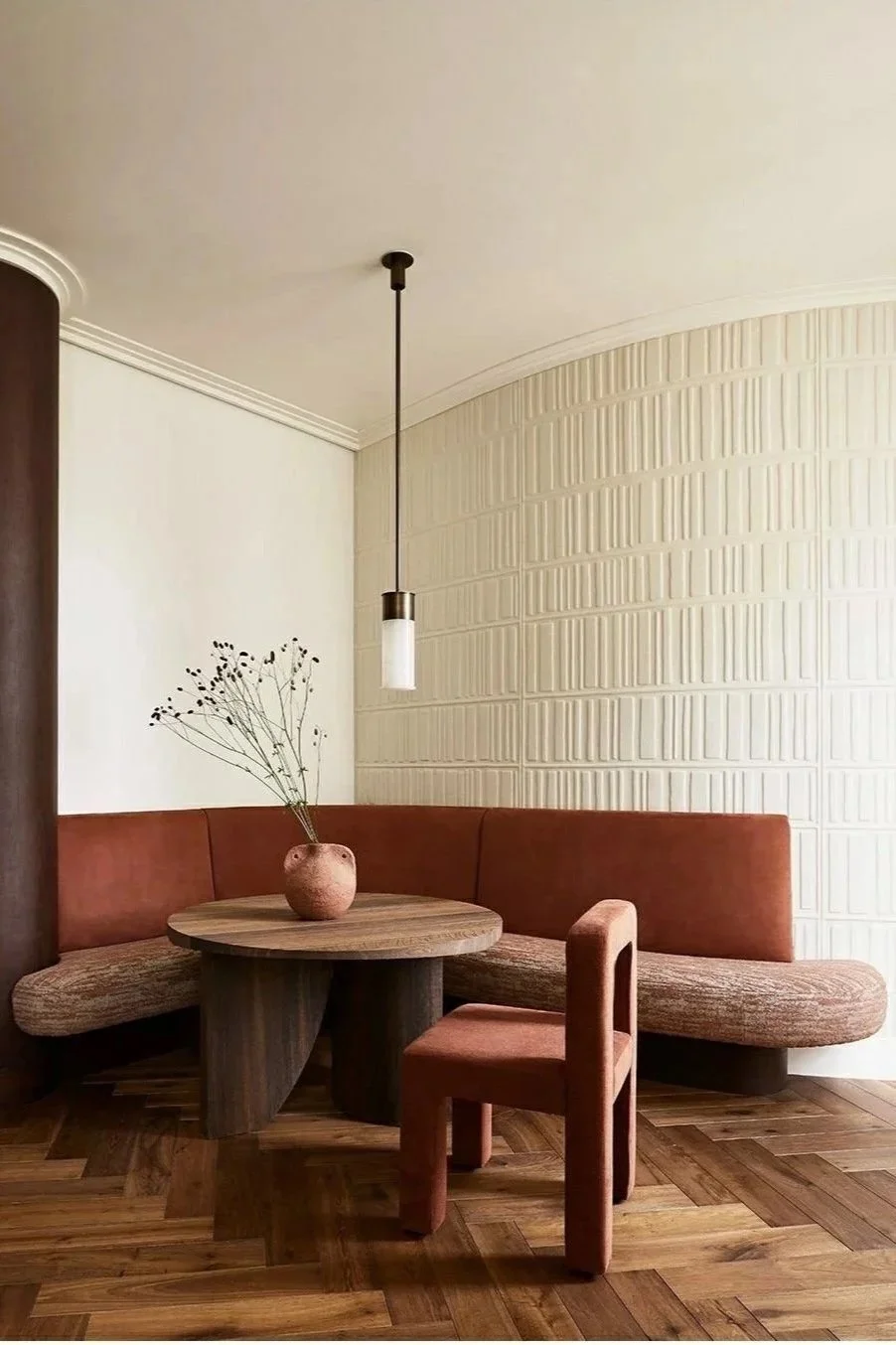
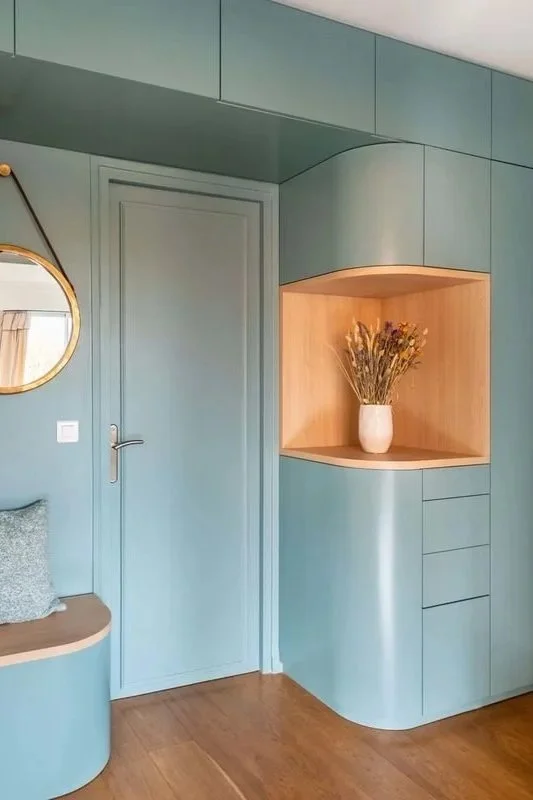
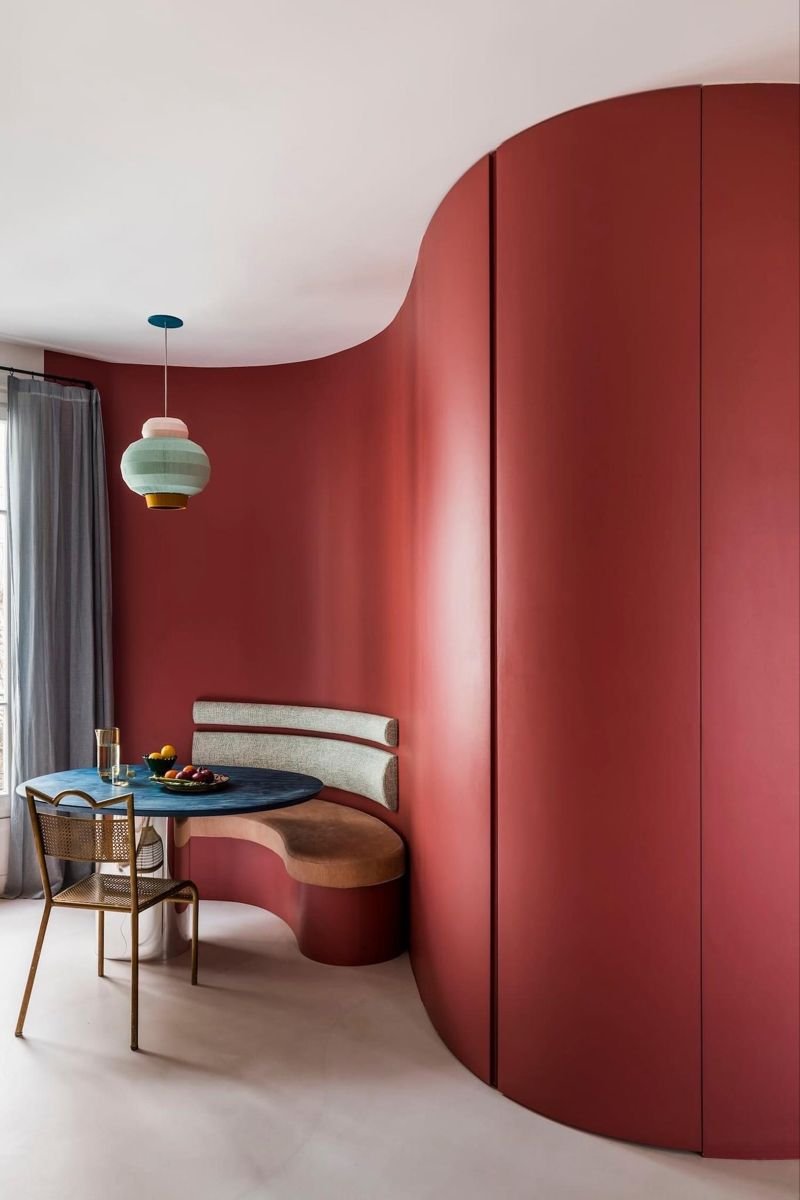
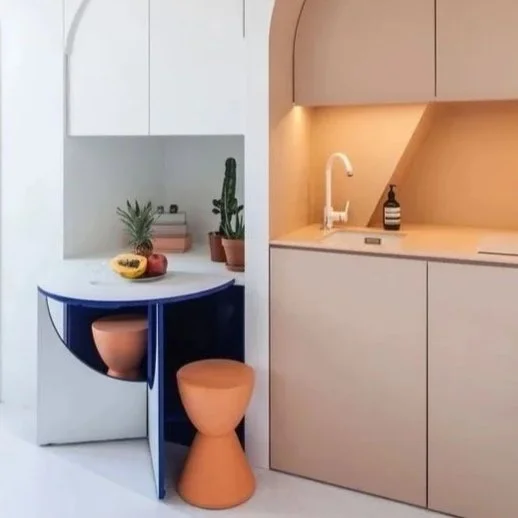
Curves are not just aesthetic, they reclaim space. Curved seating, rounded tables and built-in elements soften awkward corners, improve circulation and make tight rooms feel more fluid. Custom carpentry can seamlessly maximize space while enhancing the room’s overall rhythm.
Sliding, Folding & Hidden Everything
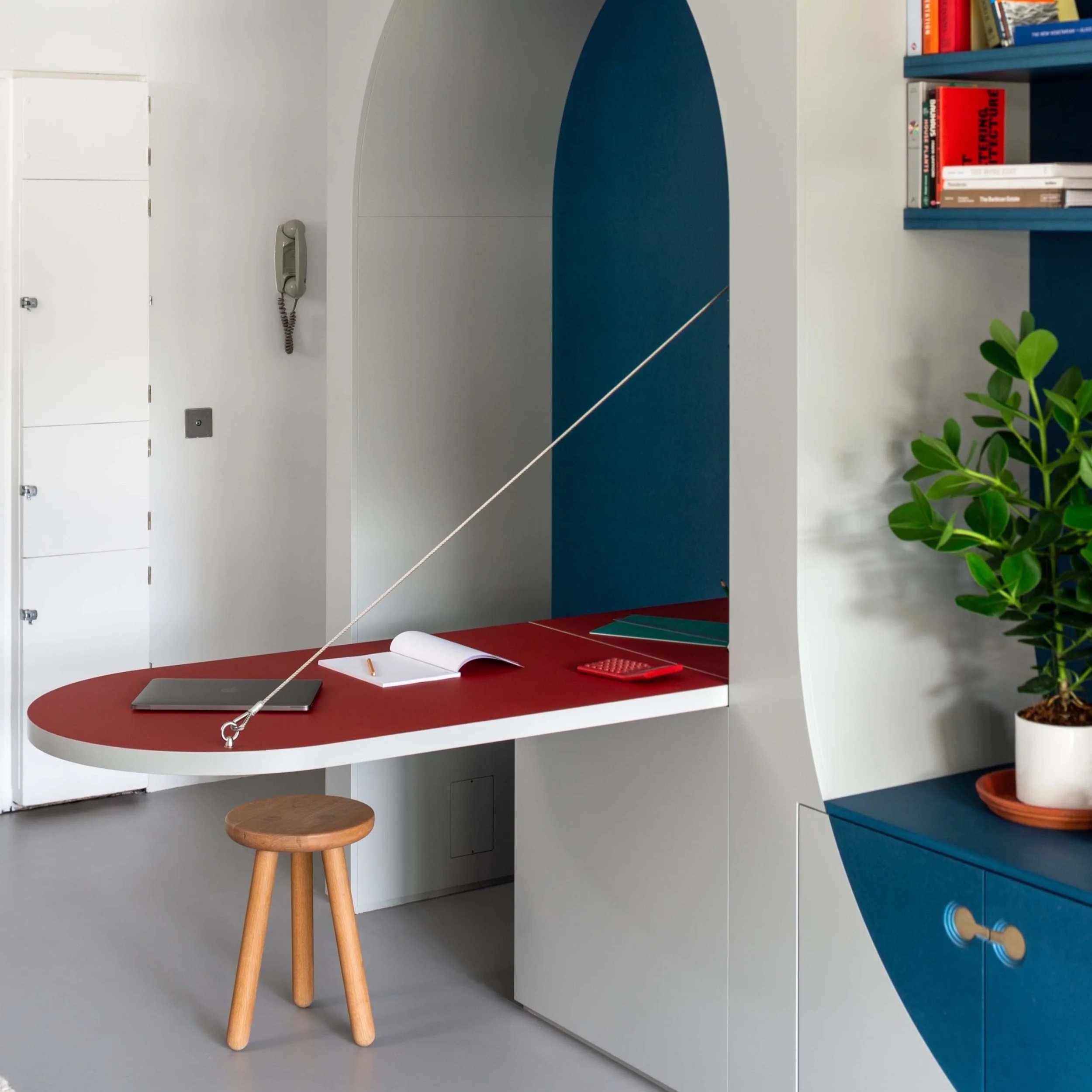
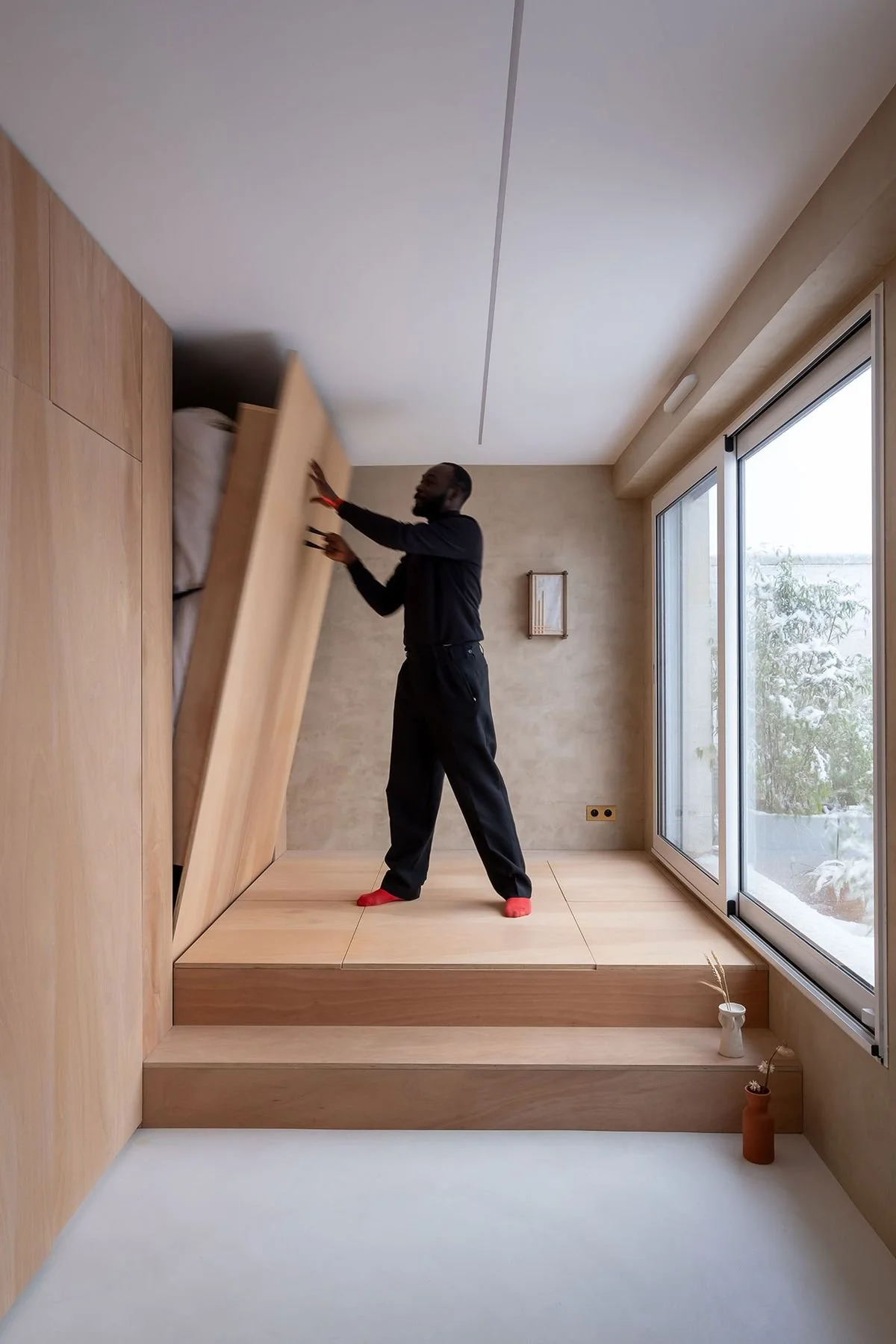
When space is limited, organisation and elements that can disappear on command become essential. Inspired by ultra-compact Parisian apartments, this approach turns everyday features into shape-shifters.
Think sliding doors, fold-out furniture, hidden storage integrated wherever possible, and concealed cabinetry that keeps visual noise to a minimum. The result is a flexible backdrop that shifts with your day — clean, calm and endlessly reconfigurable.
Thoughtful design can elevate even the tiniest footprint into a home that feels both organised, spacious and beautifully expressive. Living small means living with intention.
Written by Amanda Nissen Oxgren
—
If you enjoyed this article, you should check out our Emerging Interior Design Trends for 2026